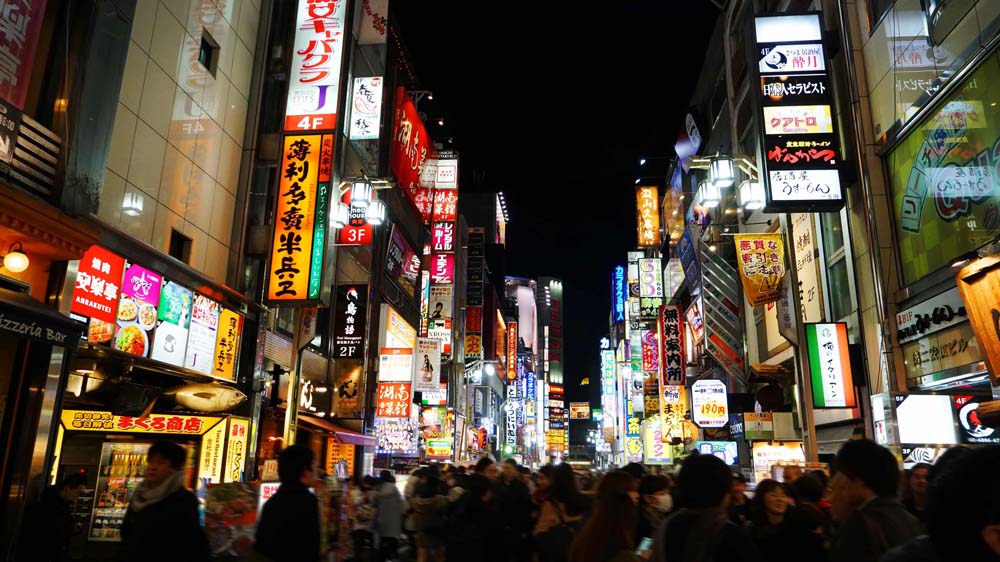
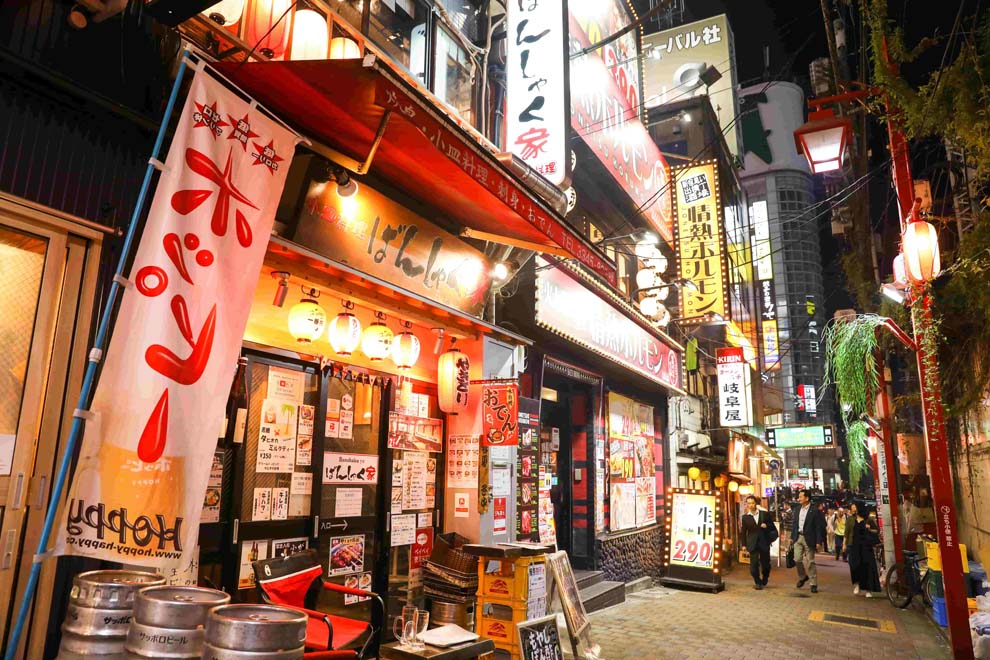
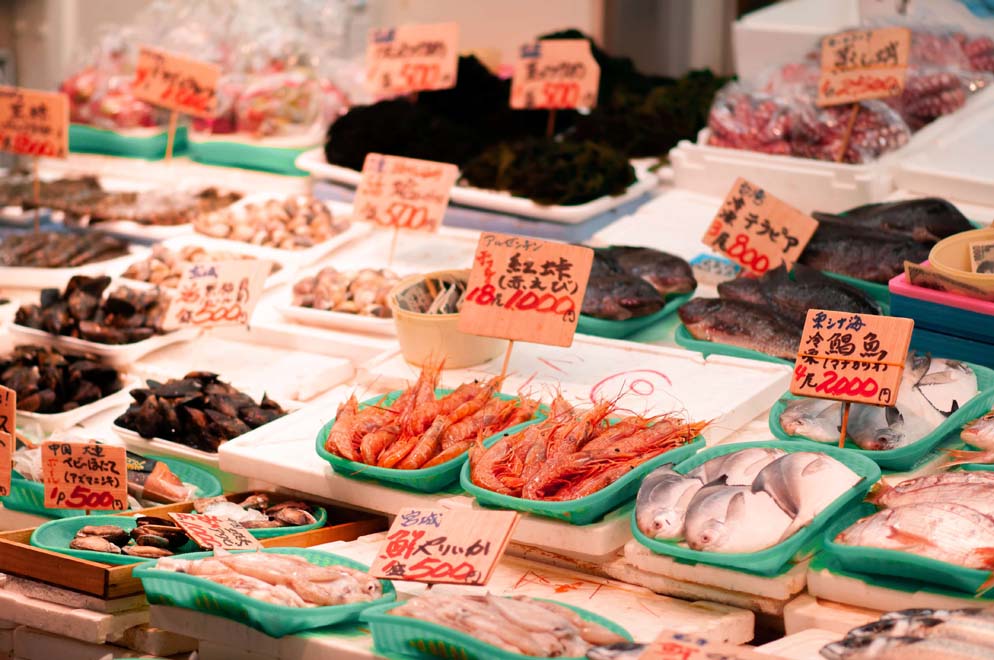
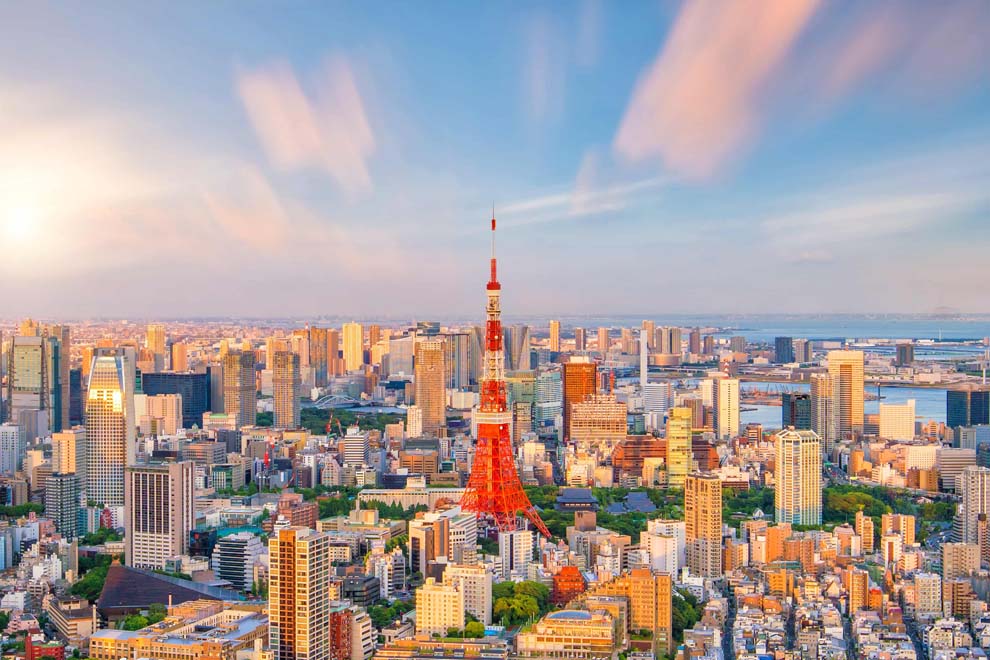


Tokyo blends enormous scale with remarkable ease—distinct neighborhoods, world-class food, and polished infrastructure that makes a big city feel surprisingly navigable. For many Century guests, it’s an ideal high-energy anchor: iconic sights and landmark experiences balanced with everyday moments that make the city feel lived-in. In practical terms, Tokyo rewards travelers seeking well-known signature sights, formal heritage sites with monumental design, and sacred spaces that bring calm and historic depth.
Why Visit Tokyo
The most populous city in Japan, Tokyo is memorable for more than the number of places you can see. The city’s real magic is how naturally it connects headline sights to a grounded sense of place—through meals that become experiences, walkable district loops, and cultural details encountered between stops. When you choose a clear anchor and give yourself time to absorb the setting, Tokyo feels rich and layered rather than rushed.
Top Things to Do in Tokyo
Imperial Palace
At the center of modern Tokyo sits a world of ceremony and history: the Imperial Palace grounds, with their moats, stone walls, and formal layout. The scale makes an immediate impression, but the deeper value is context—this is where you feel how power and design shaped the city’s core. It’s especially rewarding when paired with a measured walk through the surrounding gardens or nearby districts.
Meiji Jingu
Meiji Jingu is Tokyo’s most soothing reset—tall forested approach paths, understated architecture, and a sense of quiet that feels surprising for such a major city. Rather than rushing through, give it breathing room to appreciate the transition from urban energy to sacred calm. It works beautifully as a signature stop before or after a neighborhood stroll, keeping the day balanced.
Senso-ji Temple
Arriving at Senso-ji is an experience in layers: the lantern-lit gate, the approach street’s energy, and the temple’s ritual rhythm that invites you to slow down. It’s one of Tokyo’s most iconic sacred sites, but it’s most rewarding when you let the atmosphere lead—incense, architecture, and people moving through traditions in real time. As a counterpoint to faster sightseeing, it adds depth and texture.
How Tokyo Fits into a Broader Itinerary
Because there are so many tourist destinations in Tokyo, grouping nearby experiences instead of zig-zagging across the city will make it easier to enjoy. Choose the attraction that speaks to you, add one supporting site, and keep part of the day flexible.
That approach usually fits Century-style travel better than trying to force a full “city sweep” into limited time—and it tends to produce a more satisfying visit.
Where to Slow Down
The quality of a Tokyo visit often depends on where you ease the pace.
- Build in time for a memorable meal or local dining experience
- Add a relaxed neighborhood walk to balance major sights
- Choose a second stop that complements the main attraction, not competes with it
Those slower moments are often what make Tokyo feel complete rather than merely efficient.
Travel Planning Tips
Keep one part of the day flexible to improve the experience.
- Use that buffer for weather changes or longer transit times
- Allow extra time at major sights when needed
- Adjust naturally if something is more engaging than expected
This flexibility helps turn a well-planned itinerary into one that actually feels enjoyable.
Final planning tip: Tokyo almost always performs better as a curated stop than an exhaustive one.
Frequently Asked Questions
How much time should I plan for Tokyo?
A focused one to two-day stay is enough for most travelers to cover the major highlights without rushing. If you want museums, neighborhoods, and slower meals built in, extra time helps.
What kind of experience is Tokyo best known for?
It is strongest when you treat it as more than a checklist stop. The destination usually delivers best when you pair one major attraction with time to take in the atmosphere around it.
How should I fit Tokyo into a larger trip?
Use it as a clear anchor, not a filler stop. Build one strong day around the headline sights, then connect it to the next destination with a lighter transfer or travel day.