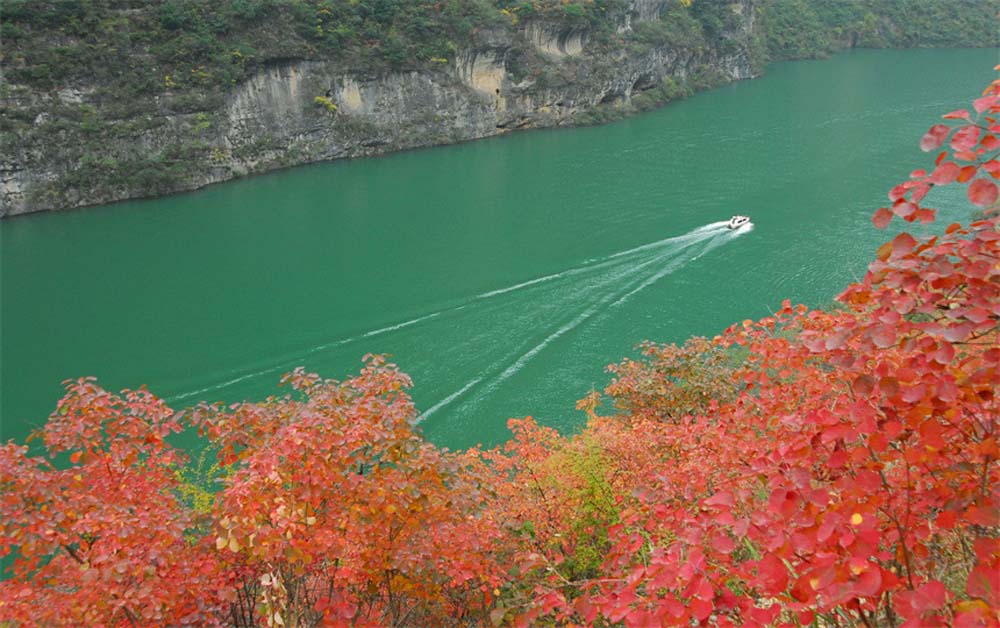
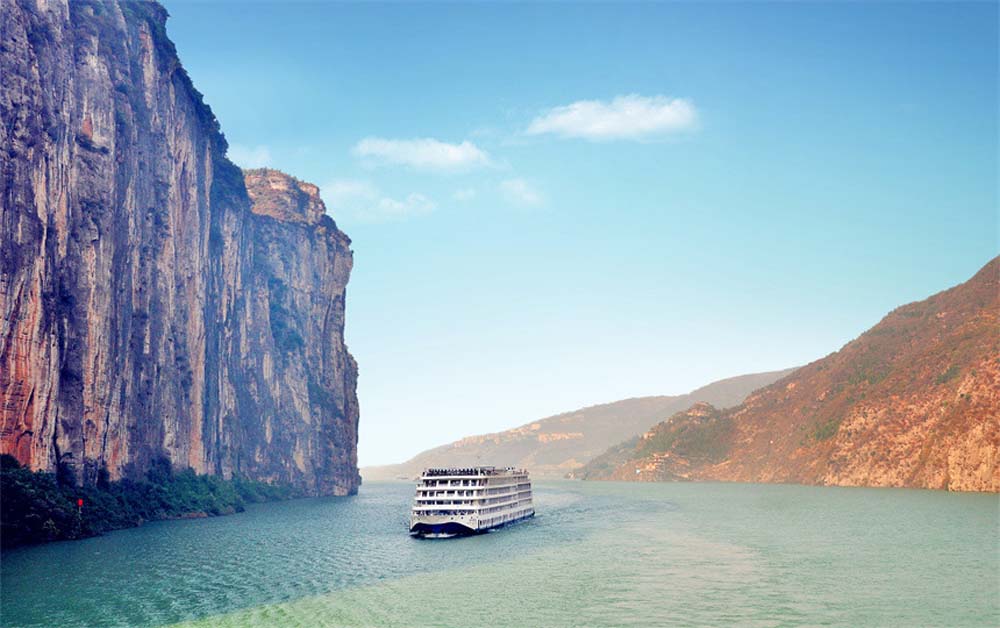
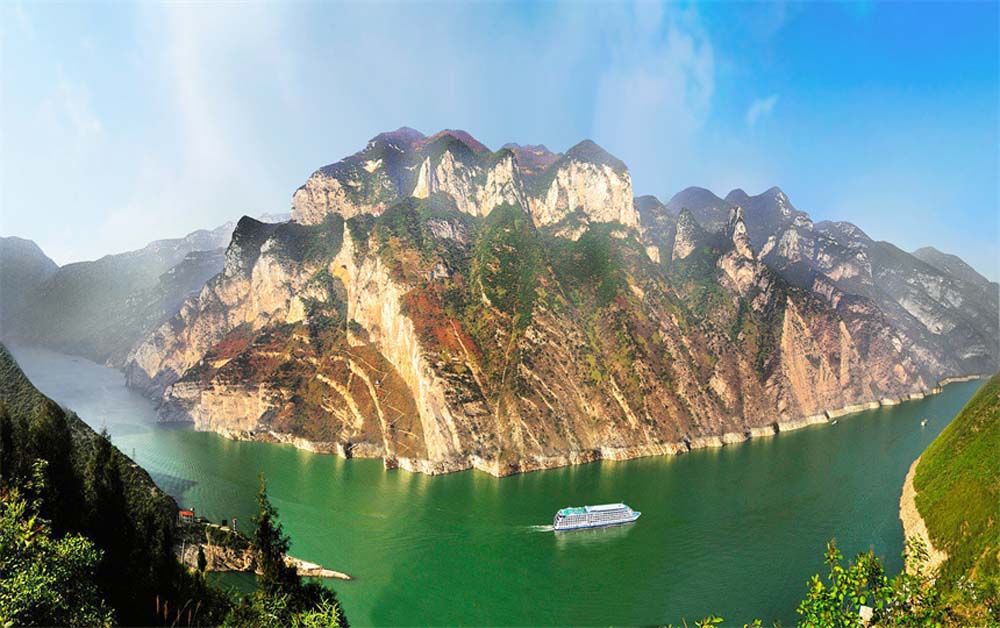
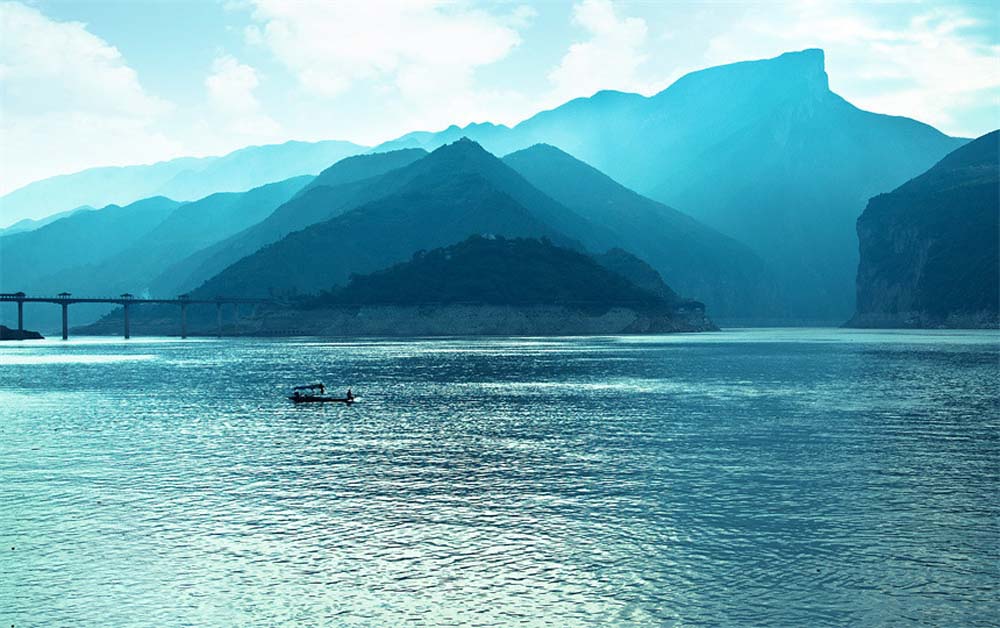


The Yangtze River is the backbone of many Century journeys in China, linking major cities, legendary scenic corridors, and historic riverside communities in one continuous story.
It’s at its best when you treat the sailing as a core experience: watching landscapes and life along the banks unfold, then add a handful of well-chosen land stops for depth.
For trip planning, the Yangtze offers a naturally connected route.
- Combines iconic sights along a single journey
- Includes many tourist destinations on the Yangtze River
This makes it especially appealing for structured yet immersive travel.
With the Yangtze, the common mistake is overplanning. The strongest version of the trip keeps scenery, onboard rhythm, and a few standout shore experiences at the center, giving the river room to shape the journey—usually the main reason to travel here in the first place.
Why Visit the Yangtze River
The Yangtze River works well because it offers more than one pace in the same journey. You can anchor a day around a headline sight or excursion, then slow down with a scenic passage, a quieter town visit, or an interpretive museum stop nearby. That balance matters on a Century itinerary, where the best land time feels focused rather than overloaded. In practice, the best approach is to identify the non-negotiable highlight first, then build a realistic day around it that lets you go at your own pace.
Top Things to Do on the Yangtze River
Chizhou
Quieter and more reflective than the river’s big gateways, Chizhou is a welcome change of rhythm—calmer pacing with access to scenic and spiritual settings nearby. It works especially well between larger cities or more monumental gorge days.
Within a Yangtze itinerary, Chizhou performs best when it has a clear purpose: a softer contrast stop or a lighter cultural day that lets the journey breathe.
Chongqing
Rising in layers above the water, Chongqing is the Yangtze’s bold urban statement—vertical neighborhoods, dramatic river views, and an energy that makes boarding or disembarking feel exciting rather than purely logistical. It’s one of the strongest places to combine city atmosphere with cruise operations and nearby excursions.
Used as an anchor or gateway, Chongqing adds texture, street life, and memorable skyline moments to the river route.
Fengdu
Legend and symbolism give Fengdu its distinct identity, making it one of the Yangtze’s more unusual cultural stops. The afterlife-themed imagery and folklore create a clear mood shift within the broader journey—something different from scenery alone.
Fengdu works best as a deliberately chosen contrast stop that adds personality and narrative to the itinerary.
Fengjie
Fengjie feels closely tied to The Gorge story, functioning as a natural gateway to some of the Yangtze’s most dramatic upper-river scenery. It’s a strong fit when you want the land component to stay connected to the river’s geography rather than branching off into unrelated city touring.
As part of a focused day, Fengjie often enhances the sense of “being inside” the landscape.
Jingzhou
Walled-city history is Jingzhou’s calling card, adding structure and cultural grounding to a route that can otherwise lean heavily scenic. This is a strong choice when you want heritage you can walk through—fortifications, city form, and a clearer sense of how river communities functioned over time.
Jingzhou is often most effective as a heritage-focused counterpoint to the more visual, deck-led parts of the cruise.
Nanjing
Monumental and historically significant, Nanjing brings major “big city with roots” energy to an eastern Yangtze route. It’s valuable when travelers want a city stop that feels substantial—layered history, important sites, and a strong local identity—without losing the thread of the broader journey.
Nanjing works best when positioned with intention: a major anchor or a meaningful contrast to smaller river towns.
Shanghai
Shanghai is a polished bookend to the Yangtze experience—waterfront views, historic quarters, and one of China’s sharpest old-meets-new contrasts.
For Century guests, it often works as an arrival or departure city with enough depth for a focused land stay. As part of a Yangtze itinerary, Shanghai adds cosmopolitan energy and cultural context, especially when you keep the plan concentrated in one or two walkable districts.
Wushan
Gorge scenery is the reason to stop in Wushan, and it’s often remembered for how directly it connects travelers to the surrounding river landscape. This isn’t a stand-alone city break so much as a chapter in the Yangtze’s visual story.
It is best enjoyed as part of the broader geographic progression of the cruise. When approached that way, Wushan becomes a highlight for mood and setting.
Yangzhou
Canal-side elegance defines Yangzhou, where gardens, waterways, and a more refined small-city atmosphere offer a graceful change of pace. It’s a strong supporting stop when the itinerary needs something cultural and scenic without the intensity of a major metropolis.
Used as a contrast day, Yangzhou adds softness and style to the overall route.
Yichang
Yichang is the practical hinge of many Yangtze itineraries—the transition point where land travel and the river journey meet. Its importance comes from function and framing: it sets up the cruise experience and connects easily to nearby engineering landmarks.
As a gateway stop, Yichang works best when you keep plans clean and focus on what strengthens the river narrative.
Yueyang
Lakeside atmosphere and classic tower-and-waterfront identity give Yueyang its appeal. It’s especially useful when the trip needs a scenic cultural pause rather than another dense city day.
Yueyang works well as a lighter supporting stop—an opportunity to slow down, take in views, and enjoy a more traditional sense of place along central China’s waterways.
How the Yangtze River Fits into a Broader Itinerary
For most travelers, the Yangtze River is best handled with a simple structure:
- One headline stop or excursion in the morning,
- A second lighter activity later in the day,
- And room for meals or wandering in between.
That pacing keeps the experience comfortable, especially when the Yangtze is only one part of a longer itinerary.
With the Yangtze, overplanning is usually the pitfall. The strongest version of the trip keeps sailing, scenery, and a few standout shore experiences at the center—so the river can do what it does best: shape the journey.
Frequently Asked Questions
What makes the Yangtze River different from a land-only itinerary?
The river changes the pacing. Instead of spending every day packing, transferring, and reorienting, you get a more continuous experience that lets the scenery connect the trip.
Should I add land stops before or after the Yangtze River?
In most cases, yes. A few carefully chosen land destinations can frame the river experience well, as long as you do not overload the route.
What is the best way to enjoy the Yangtze River?
Treat the sailing itself as part of the destination. The strongest trips leave space to enjoy the views, excursions, and changing landscapes rather than only focusing on endpoints.