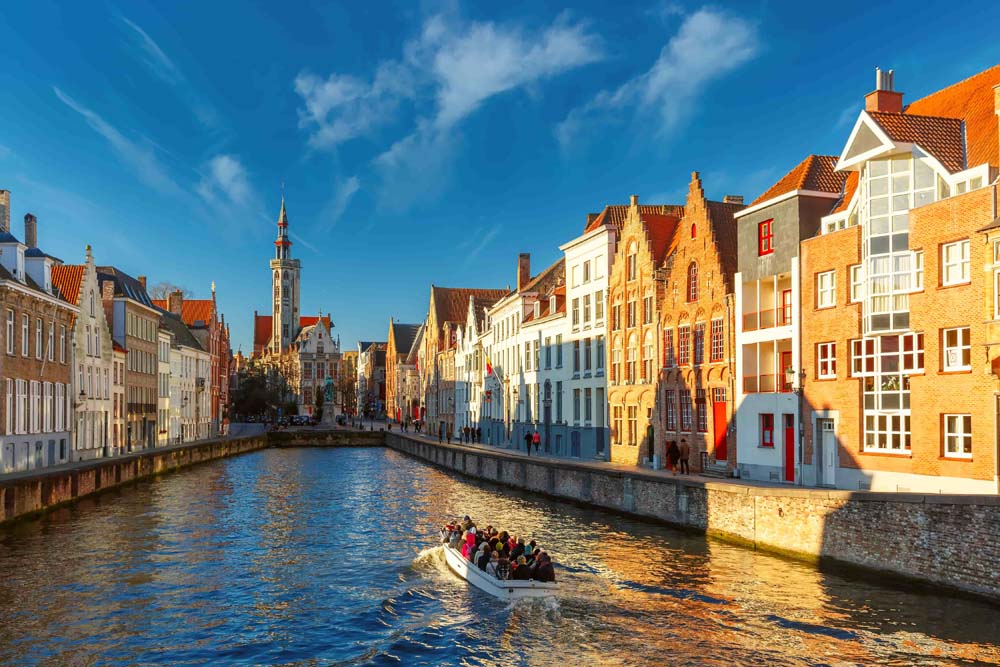


Bruges is pure atmosphere: canals, cobblestones, and a compact medieval center that feels made for unhurried wandering. In Belgium, it’s one of the easiest destinations to keep simple—and that’s exactly why it works so well. The number of tourist destinations in Bruges makes it ideal for travelers to Belgium who want signature sights, museum context, and sacred architecture without big-city logistics.
When fitting Bruges into a wider route, decide whether this is a headline “storybook city” day or a lighter stop built around mood and a few supporting highlights. Once that role is clear, the planning becomes easier and the visit usually feels far more satisfying.
Why Visit Bruges
Bruges delivers more than one pace in a single stop.
- You can anchor your time with a major landmark,
- Then slow down naturally with canalside walking, a quiet square, or a museum visit nearby.
That balance matters on a Century itinerary, where the best land time feels curated and comfortable—not over-scheduled.
Top Things to Do in Bruges
Belfort
Rising above the historic center, the Belfort is Bruges’ defining skyline marker—part monument, part viewpoint, part medieval statement of civic pride. It’s best used as a primary anchor: climb for panoramic views, then let the rest of the day unfold on foot nearby. Paired with one supporting stop close by, it keeps the itinerary focused and elegant.
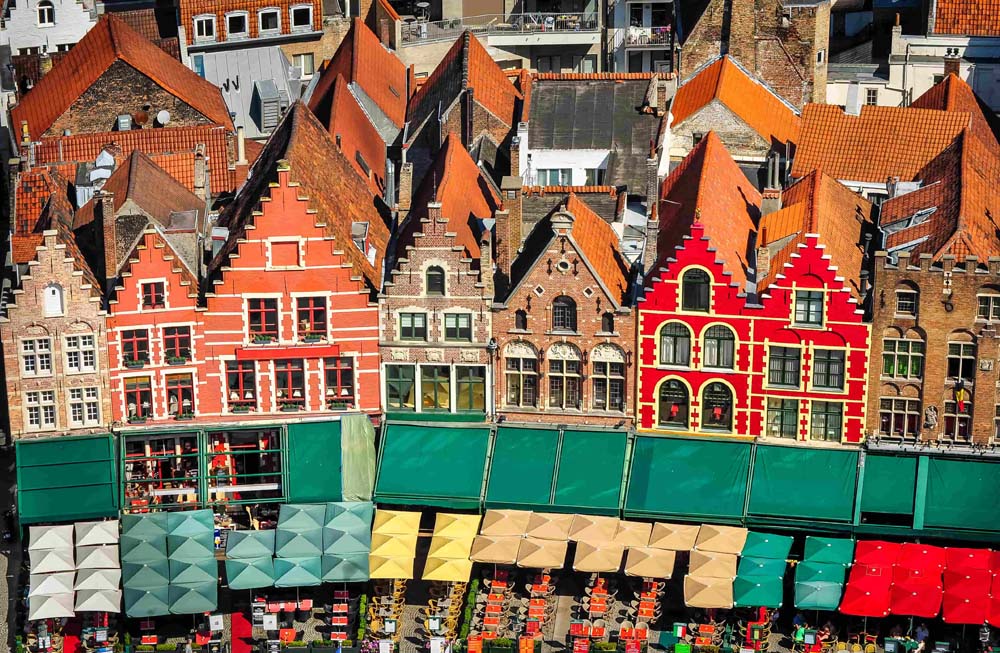
Market Square
You feel the city’s energy immediately in Market Square, where grand guild façades frame a lively open space that’s perfect for orientation, photos, and people-watching. This is an ideal “set the scene” stop before branching into smaller streets and canals. Keep it simple here—one café pause or a short stroll outward is often more rewarding than stacking extra stops.
De Burg
Just a short walk from the Markt, De Burg offers a more intimate sense of Bruges’ history—an elegant square that feels quieter, more local, and richly atmospheric. It’s a strong pairing with the nearby headline sights because it adds depth without demanding time-consuming logistics. Treat it as a slow-through moment: admire the setting, then continue on at a relaxed pace.
Basilica of the Holy Blood
Small in scale but powerful in mood, the Basilica of the Holy Blood brings a reflective, sacred layer to a Bruges day. The experience is as much about atmosphere—light, stone, and hush—as it is about architecture. It works beautifully after busier squares, giving the itinerary a calmer beat that can make the whole visit feel more balance
Groeninge Museum
For travelers who want Bruges to feel understood rather than simply photographed, the Groeninge Museum adds the missing context. Its collection connects the city’s beauty to the artistic and cultural world that shaped it, turning a walk through medieval streets into a more grounded story. It’s especially valuable when your day includes several famous sights but limited time for deeper interpretation.
How Bruges Fits into a Broader Itinerary
For most travelers, Bruges works best with a simple structure: one headline stop in the morning, a second lighter activity later, and room for meals or wandering in between. That pacing keeps the visit comfortable, especially when Bruges is one part of a longer itinerary. As you plan, decide whether Bruges is meant to carry the day through one main attraction or serve as a broader mix of atmosphere and supporting sights—once that’s clear, the experience feels far more cohesive.
Travel Planning Notes
If time is limited, start with experiences that best define Bruges or speak to your interests. Once your anchor is in place, add one nearby supporting stop that changes the rhythm—such as a museum visit, a quieter square, or a canalside pause. That’s usually enough to make the stop feel full without turning it into a rush.
Frequently Asked Questions
How much time should I plan for Bruges?
A focused one to two-day stay is enough for most travelers to cover the major highlights without rushing. If you want museums, neighborhoods, and slower meals built in, extra time helps.
What kind of experience is Bruges best known for?
It is strongest when you treat it as more than a checklist stop. The destination usually delivers best when you pair one major attraction with time to take in the atmosphere around it.
How should I fit Bruges into a larger trip?
Use it as a clear anchor, not a filler stop. Build one strong day around the headline sights, then connect it to the next destination with a lighter transfer or travel day.