
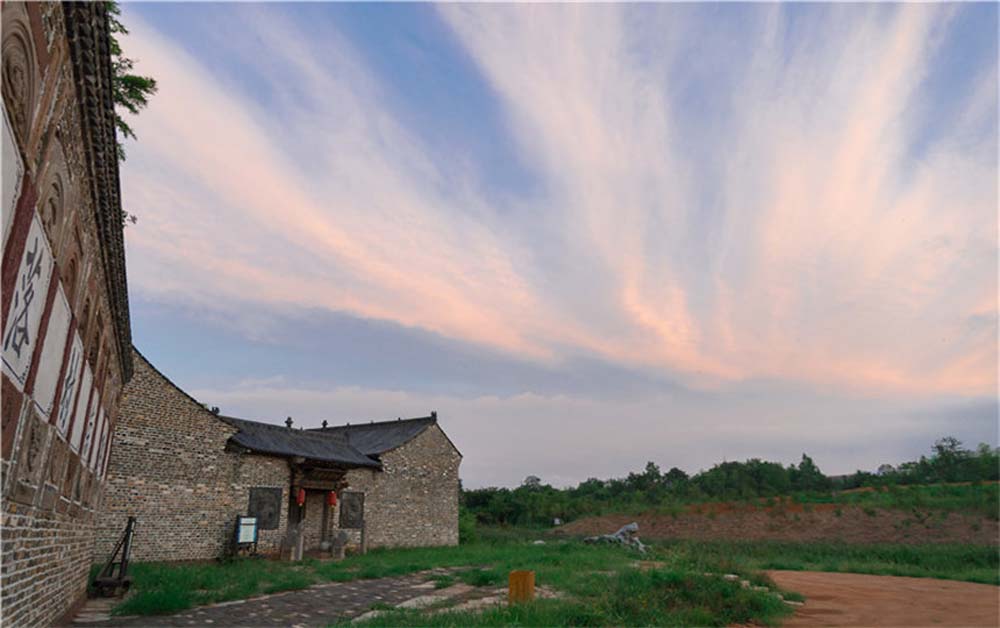
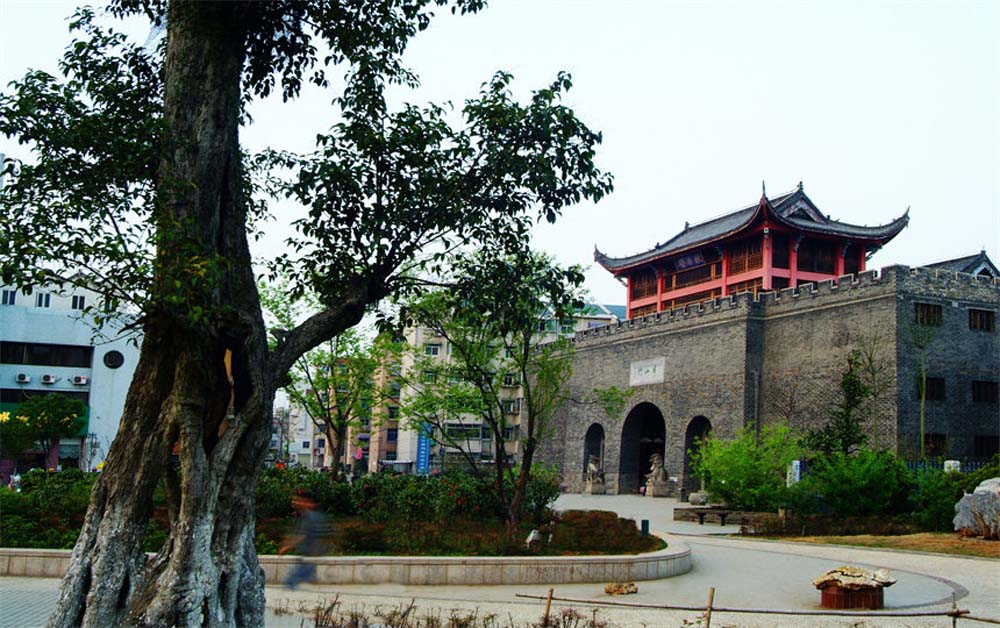


Anhui is a compelling pause between China’s headline cities—less frenetic, more reflective, and rich in mountain scenery and spiritual heritage.
It suits travelers who are looking for:
- Elevated viewpoints,
- Temple culture,
- Historic quarters where everyday street life still feels authentic.
Think of Anhui as a region that rewards simplicity: choose a standout landscape or sacred site, then let the day unfold at a calmer pace.
Why Visit Anhui
Anhui works well because it naturally offers more than one rhythm in the same stop. You can build the day around a marquee mountain or spiritual landmark, then slow down with a village walk, a viewpoint, or a quieter cultural moment. On a Century itinerary, that balance is key—focused enough to feel complete, but unhurried enough to feel genuinely enjoyable.
Top Tourist Destinations to Visit in Anhui
Mt. Jiuhua
When you want expansive scenery and a true break from city intensity, Mt. Jiuhua is an ideal choice. Known for its spiritual atmosphere and mountain setting, it rewards travelers who slow down—taking in views, temple stops, and the sense of space.
In an Anhui itinerary, it often works best as the visit that gives the day contrast and breathing room.
Mt. Huangshan (Yellow Mountain)
Mt. Huangshan (Yellow Mountain) brings the classic “China landscape” experience—elevation, dramatic rock formations, and sweeping views that change with the light and weather. It shifts the itinerary into a more scenic, immersive rhythm, especially for travelers who want nature to be the main event. Plan a lighter second activity afterward to keep the day balanced.
Xinghua Village
Xinghua Village adds lived-in texture—an opportunity to trade grand viewpoints for street-level atmosphere, browsing, and local flavor. It’s most rewarding when you give yourself time to wander rather than rush through for a quick photo.
As a supporting stop, it complements Anhui’s bigger landscapes by showing a more human, everyday side of the region.
How Anhui Fits into a Broader Itinerary
For most travelers, Anhui works best with a simple structure: one headline experience earlier in the day, followed by a second, lighter stop later on—plus time for meals and unplanned wandering in between. This pacing keeps the visit comfortable and coherent, especially when Anhui is part of a longer route.
Decide whether Anhui is meant to be a “scenery-and-spirit” feature day or a curated sampling, and the rest of the planning becomes much easier—and more satisfying.
How to Approach the Region
Because Anhui is a region rather than a single city, it benefits from a theme-first approach.
- Start by choosing what matters most: mountain scenery, spiritual heritage, historic streets, or cultural context
- Then select supporting stops that reinforce that goal.
Anhui is usually at its best when it feels curated and intentional, not exhaustive.
Travel Planning Tips
Most travelers enjoy destinations in Anhui more when one part of the day stays flexible.
- Allow for weather shifts in the mountains
- Plan for longer or less predictable transfers
- Leave time to linger at viewpoints or villages that feel more compelling than expected
In practice, flexibility is often what turns an efficient day into a genuinely memorable one.
Final tip: Anhui almost always performs better as a selective stop—prioritize what matters most, protect the pace, and let the setting do the heavy lifting.
Frequently Asked Questions
How should I approach a wider region like Anhui?
Start by deciding whether you care more about scenery, heritage sites, or a city base. Once that is clear, it is easier to choose the highlights that belong together.
Is Anhui better for a fast overview or a slower visit?
It usually rewards a slower, more selective approach. The region makes a stronger impression when you focus on a few meaningful stops instead of trying to cover everything
What pairs well with Anhui on a Century itinerary?
A major city or river segment often pairs well, because it gives the broader trip more contrast in pace and setting.