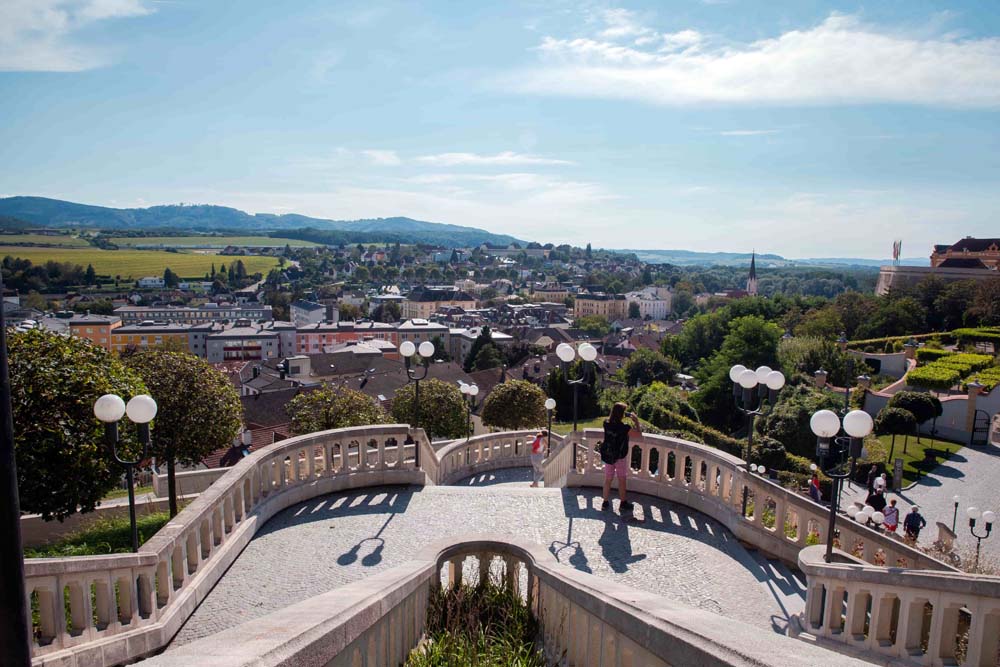
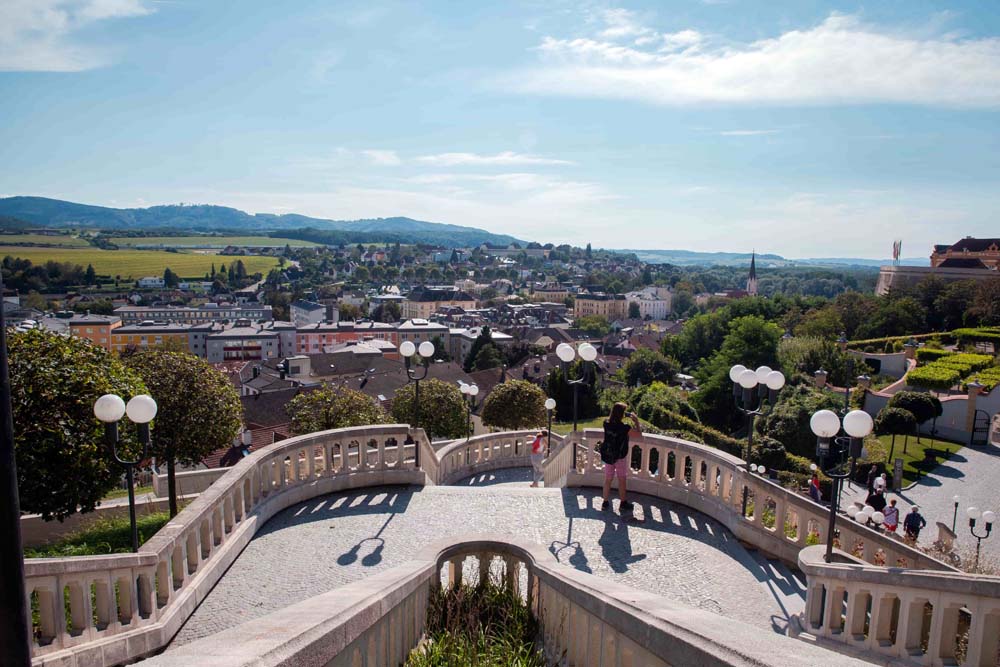


Melk is best known for its abbey and its Danube setting—a small town in Austria with a big, unmistakable presence as you approach from the river. It's a beautifully scenic, cultural stop that doesn’t demand a rushed pace and is a relaxed gateway into the Wachau Valley.
Melk offers well-known signature sights, old-world viewpoints, and sacred historic architecture. It’s also easy to enjoy several tourist destinations in Melk in one well-planned visit without overloading the day.
Why Visit Melk
There's more to Melk than landmarks and attractions. The real payoff is how naturally it connects a headline sight with a grounded sense of place—river views, short walking routes, and the simple pleasure of slowing down in a town that feels designed for a measured visit.
That approach usually creates a stronger experience than rushing through a long list of stops.
Top Things to Do in Melk
Melk Abbey
Perched high above the Danube, Melk Abbey is the reason this stop stays so vivid in travelers’ memories. The hilltop setting delivers instant visual drama, and inside, the architecture and artistry reward anyone who takes their time. The visit is more enjoyable when you let the space unfold at a relaxed pace—this is a place to absorb, not race through.
Schallaburg
A different kind of heritage experience, Schallaburg adds variety beyond the abbey with a more castle-like atmosphere and a strong sense of history rooted in the region. It works best when treated as a focused outing, not squeezed between too many smaller stops. Build a bit of breathing room around it and the visit feels intentional rather than rushed.
Aggstein Castle
For pure Wachau drama, Aggstein Castle delivers: ruins on a rocky outcrop, wide river views, and the satisfying feeling of stepping into a fortified past. The experience is as much about the setting as the structure, so it rewards travelers who allow time for the viewpoints and the walk through the site. As a scenic anchor, it pairs well with an otherwise lighter day.
How Melk Fits into a Broader Itinerary
The easiest way to plan Melk is to group nearby experiences instead of trying to cover every possible stop. Pick the attraction you want to see most, add one supporting site or short walk nearby, and keep part of the day flexible. That approach usually fits Century-style travel better than forcing a full “city sweep” into limited time.
Why Simplicity Works Here
Melk is almost always better when it stays simple. One main landmark, one scenic stroll or viewpoint, and a little free time often create a stronger memory than packing in extra stops.
Smaller destinations gain their value from atmosphere—and that atmosphere disappears quickly when every minute is preassigned.
Travel Planning Notes
Most travelers get more from Melk when they keep one part of the day flexible.
- Gives you plenty of time to linger when the setting is especially beautiful
- Helps with traffic or slower transfers
- Accounts for unexpected weather
This flexibility is often the difference between a stop that feels overloaded and one that feels genuinely enjoyable.
Final planning note: Melk almost always performs better as a selective stop than an exhaustive one. Choose a few attractions and set your own pace.
Frequently Asked Questions
How much time does Melk usually need?
A focused visit is often enough, especially if you keep the plan simple and stay centered on the historic core or main landmark.
Why does Melk work well on a larger itinerary?
Smaller towns often add atmosphere and breathing room. They can reset the pace between bigger cities without feeling like a throwaway stop.
What is the best way to experience Melk?
Walk it at a measured pace, prioritize the main landmark or viewpoint, and leave a little time for cafes, local shops, or a scenic pause.