

Nagoya is practical, well-connected, and often overlooked—which can make it a smart addition to a balanced Japan itinerary. It’s at its best for travelers who want a city stay that feels substantial without the constant crowds of the biggest hubs, with easy access to heritage, food culture, and museums.
In practical terms, Nagoya rewards guests seeking fortified landmarks and old-world views, well-known signature sights, and cultural institutions that add real context. It’s also a strong base for exploring tourist destinations in Nagoya without turning the day into a long-distance sprint.
Why Visit Nagoya
Nagoya is worth the time for more than its landmark list.
- Pairs major sights with a grounded sense of place
- Combines local dining, walkable areas, and cultural stops
- Focuses on explaining the region’s history, not just displaying it
When you plan for one clear anchor and leave room for a slower second stop, Nagoya feels cohesive and surprisingly memorable.
Top Things to Do in Nagoya
Nagoya Castle
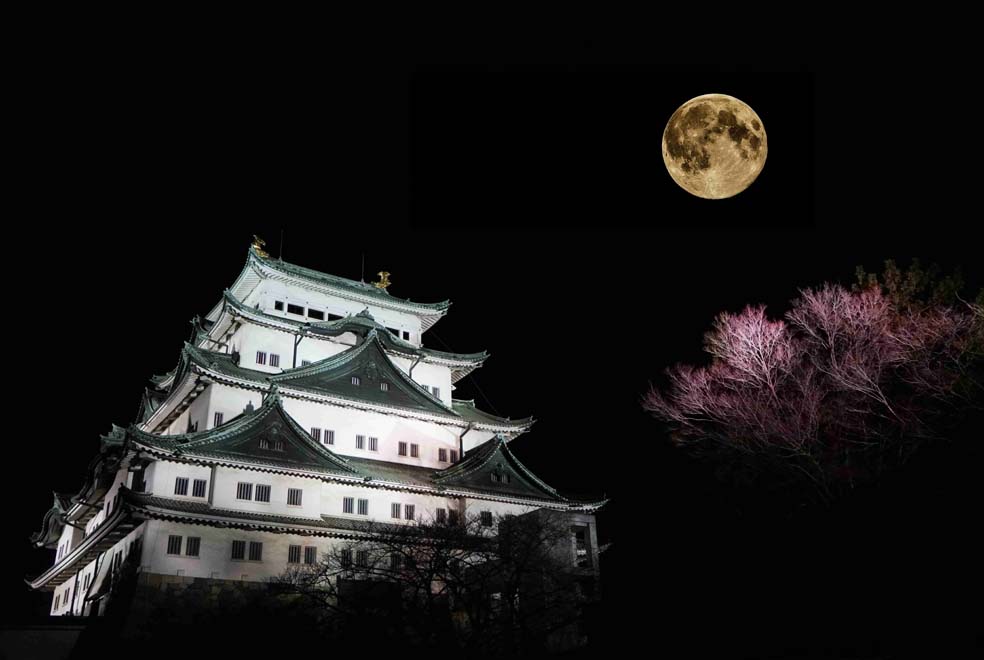
Few sites capture Nagoya’s identity as clearly as Nagoya Castle—fortification history, classic views, and a setting that makes the city’s past feel tangible. The visit is most rewarding when you allow time to explore the grounds and take in the layout, not just the headline photo angle. As a day anchor, it naturally organizes what you do next nearby.
Atsuta-jingu Shrine
If you're looking for calmer atmosphere, Atsuta-jingu Shrine adds a living spiritual layer to the itinerary—less spectacle, more presence. It’s a meaningful stop for travelers who enjoy sacred spaces that still function as part of daily life, and it works best when paired with one nearby complement rather than stacked among scattered city attractions. A slower approach here often brings the most rewarding experience.
Tokugawa Art Museum
For depth and interpretation, the Tokugawa Art Museum is the stop that delivers. The collection provides cultural context and a more refined look at the heritage that shaped the region, making it especially valuable if the rest of your day is heavy on outdoor sightseeing. It’s also an excellent pacing tool—an indoor reset that still feels closely tied to Nagoya’s identity.
How Nagoya Fits into a Broader Itinerary
The easiest way to plan Nagoya is to group experiences together instead of zig-zagging across the city. Choose the attraction that speaks to you, add one supporting site or neighborhood close by, and keep part of the day flexible. That approach usually fits Century-style travel better than trying to force a full city sweep into limited time. When fitting Nagoya into a wider route, it also helps to decide whether this stop should carry the day through one headline attraction or deliver a broader mix of atmosphere and supporting sights. Once that role is clear, the visit typically feels much more satisfying.
Where to Slow Down
Even with famous landmarks, the quality of a Nagoya day often depends on where you let the pace soften.
- Build in time for a memorable meal,
- A short neighborhood walk,
- A second stop that complements your main attraction instead of competing with it.
Those slower moments are often what make the destination feel complete rather than merely efficient.
What to Prioritize First
If time is limited in Nagoya, start with the experience that best expresses the destination—often the castle or a major cultural stop—rather than what’s simply most convenient.
Once that anchor is set, add one nearby supporting experience that changes the rhythm, such as a shrine visit, a museum, or an easy walk. That’s usually enough to make the stop feel full without turning it into a rush.
Travel Planning Notes
Most travelers get more from Nagoya when they keep one part of the day flexible.
- Helps with weather or slower transfers
- Allows extra time at a major site
- Gives room when one place deserves longer than expected
In practice, flexibility is often the difference between a trip that feels efficient on paper and one that actually feels enjoyable.
Final planning note: Nagoya almost always performs better as a selective stop than an exhaustive one—prioritize your favorite stops, take your time, and enjoy the city.
Frequently Asked Questions
How much time should I plan for Nagoya?
A focused one to two day stay is enough for most travelers to cover the major highlights without rushing. If you want museums, neighborhoods, and slower meals built in, extra time helps.
What kind of experience is Nagoya best known for?
It is strongest when you treat it as more than a checklist stop. The destination usually delivers best when you pair one major attraction with time to take in the atmosphere around it.
How should I fit Nagoya into a larger trip?
Use it as a clear anchor, not a filler stop. Build one strong day around the headline sights, then connect it to the next destination with a lighter transfer or travel day.