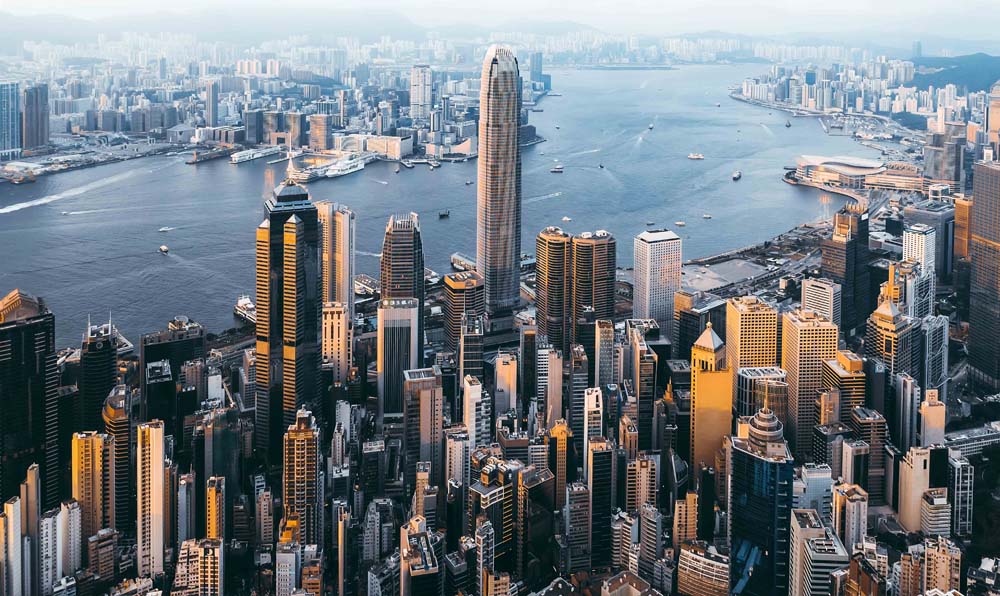
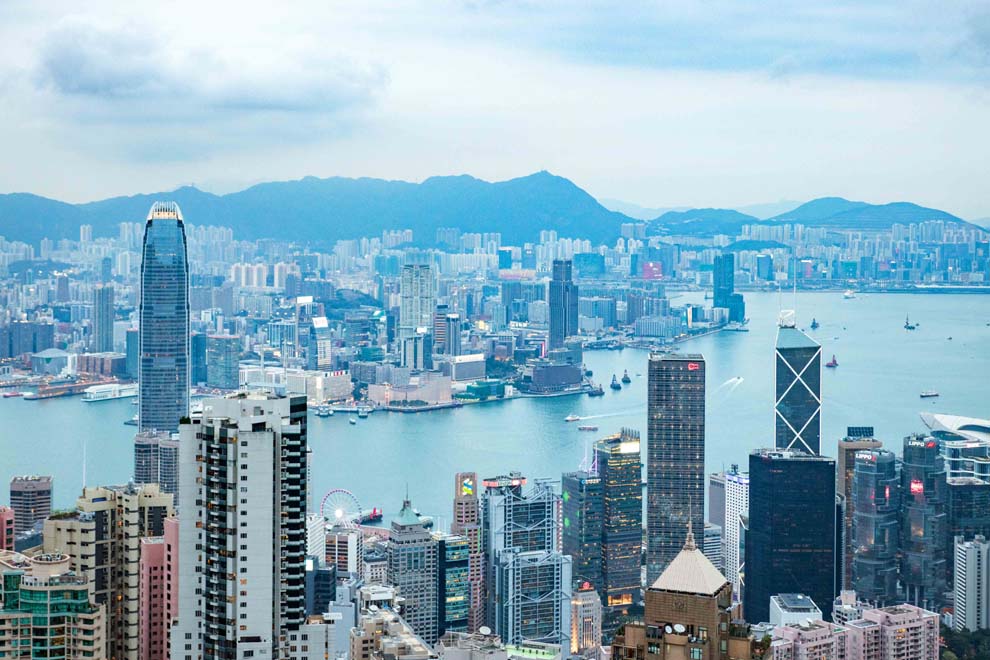
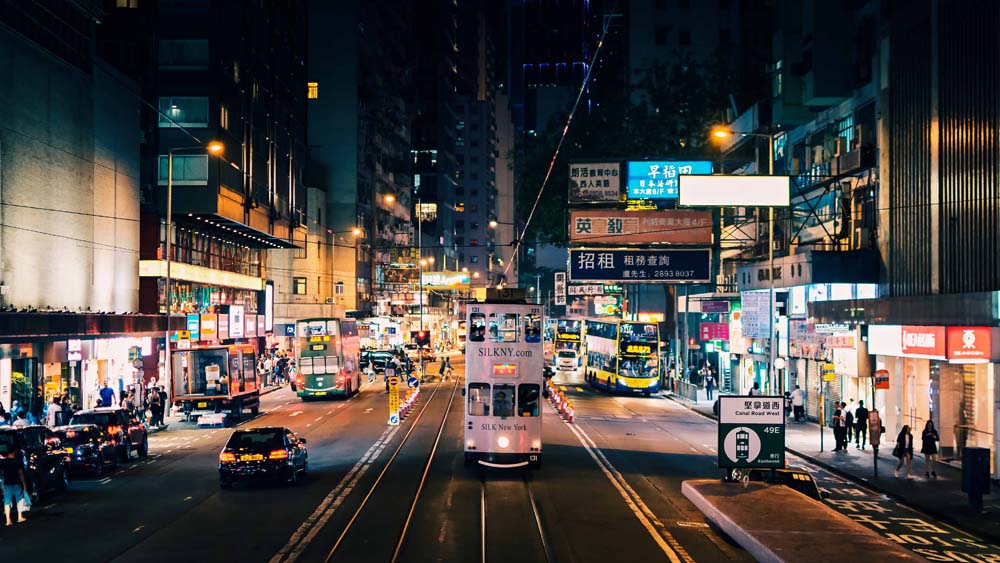


Hong Kong delivers a rare mix in one compact, polished city stay: harbor-and-skyline glamour, living temple culture, and green hillside escapes that reset the pace in minutes. Tourist destinations in Hong Kong are ideal for travelers who want big-city energy without logistical friction—world-class food, dramatic views, and meaningful heritage layered into an easy-to-navigate experience. On the ground, Hong Kong is strongest when you balance its sacred spaces and historic architecture with one or two signature “wow” viewpoints.
Why Visit Hong Kong
Hong Kong works so well because it offers more than one rhythm in the same stop. You can start with a headline sight—harbor views, a mountaintop landmark, or a major cultural stop to give you the flavor of China—then slow down with neighborhoods, markets, temples, or a scenic pause. That balance matters on a Century itinerary, where the best land time feels curated and complete rather than overpacked.
Top Things to Do in Hong Kong
Kowloon Walled City Park
Kowloon Walled City Park offers a quieter, more layered side of Hong Kong—less spectacle, more story. Set on the site of the former walled city, it’s a reflective stop that reveals how the past still shapes the present through design, ruins, and atmosphere. It’s a smart counterpoint to the high-rise skyline and a welcome reset in the day.
Tian Tan Buddha
Tian Tan Buddha is one of Hong Kong’s most memorable spiritual-and-scenic experiences, where the journey is part of the impact. The elevation, open views, and monumental statue create a sense of arrival that feels distinctly different from the city streets below. It performs best when you give it real-time—unhurried photos, a slow walk, and space to take in the setting.
Sik Sik Yuen Wong Tai Sin Temple
A visit to Sik Sik Yuen Wong Tai Sin Temple brings active, living spirituality into your Hong Kong day. The appeal isn’t only architectural—it’s the energy of ritual, incense, and local devotion unfolding in a very urban setting. That daily rhythm makes the visit feel grounded and authentic, not like a museum piece. It’s a strong stop when you want culture you can feel.
How Hong Kong Fits into a Broader Itinerary
Most travelers get the most from Hong Kong with a simple structure:
- One headline experience earlier in the day,
- A second lighter stop later,
- And room in between for meals, short walks, or spontaneous discoveries.
That pacing keeps the visit comfortable, especially when Hong Kong is one part of a longer journey. Decide whether this is a “big highlight” day or a balanced mix of atmosphere and supporting sights, and planning becomes easier—and far more satisfying.
What to Prioritize First
If time is limited, focus on one defining Hong Kong experience rather than what’s closest.
- Choose a signature viewpoint or a key cultural landmark
- Treat this as the anchor of your day Then add one nearby experience that shifts the pace.
- A walkable district, market, or temple works well
That’s usually enough to make the day feel full without turning it into a rush.
Travel Planning Tips
Plan with flexibility to improve the overall experience.
- Keep buffer time for weather, transfers, and timed entries
- Allow space to stay longer in places that feel worth it
That flexibility is what makes the day feel more relaxed and elevated.
Final tip: Hong Kong almost always performs better as a selective stop—prioritize what matters most, protect the pace, and let the city’s contrasts do the work.
Frequently Asked Questions
How much time should I plan for Hong Kong?
A focused one to two-day stay is enough for most travelers to cover the major highlights without rushing. If you want museums, neighborhoods, and slower meals built in, extra time helps.
What kind of experience is Hong Kong best known for?
It is strongest when you treat it as more than a checklist stop. The destination usually delivers best when you pair one major attraction with time to take in the atmosphere around it.
How should I fit Hong Kong into a larger trip?
Use it as a clear anchor, not a filler stop. Build one strong day around the headline sights, then connect it to the next destination with a lighter transfer or travel day.