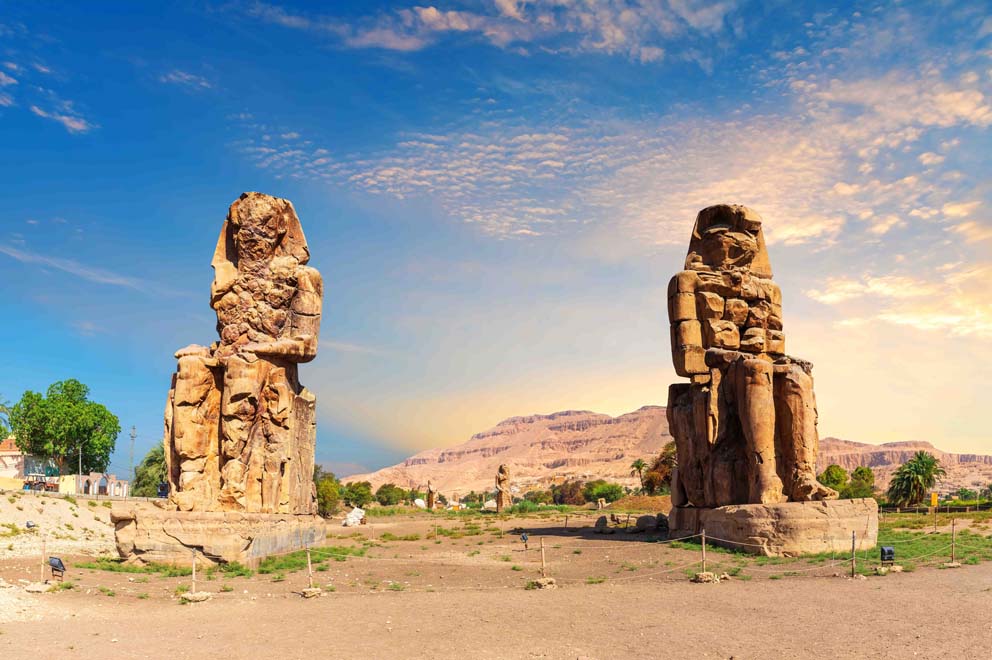


Luxor is one of Egypt’s most powerful history-focused stops.
- Monumental temples, royal tombs, and a Nile setting
- A sense of the past that feels remarkably close
It pairs naturally with cruising because the river route and the land visits reinforce each other, creating a seamless sense of place from day to day.
On the ground, Luxor is strongest for travelers who want:
- Signature sights
- Cultural context through museums
- Big landscapes framed by the river and desert
It’s also an excellent hub for exploring tourist destinations in Luxor without constantly changing hotels.
When fitting Luxor into a wider route, it helps to decide whether this stop should revolve around one headline attraction or a broader mix of atmosphere and supporting sights. Once that role is clear, planning becomes easier—and the destination is usually more satisfying in practice.
Why Visit Luxor
Luxor works well because it offers more than one rhythm in the same stop.
- Devote prime time to a major temple or tomb site
- Shift into a slower pace with a museum visit
- Add a riverside pause or a quieter walk later in the day
That balance matters on a Century itinerary, where the best land time feels focused rather than overloaded.
Top Things to Do in Luxor
Luxor Temple
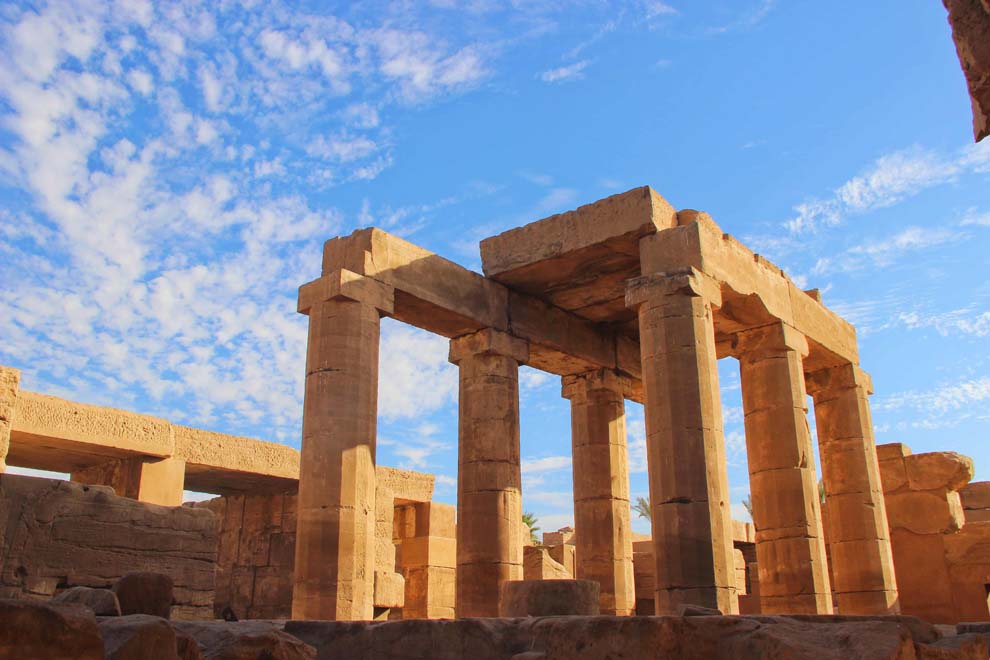
Light, scale, and setting make Luxor Temple especially memorable—an experience that often feels more powerful when you approach it unhurried. The details reveal themselves in layers, and the site’s rhythm can be a welcome counterpoint to faster, more “programmed” sightseeing.
Give yourself time to stand back, take in the columns, and let the atmosphere do its work.
Karnak
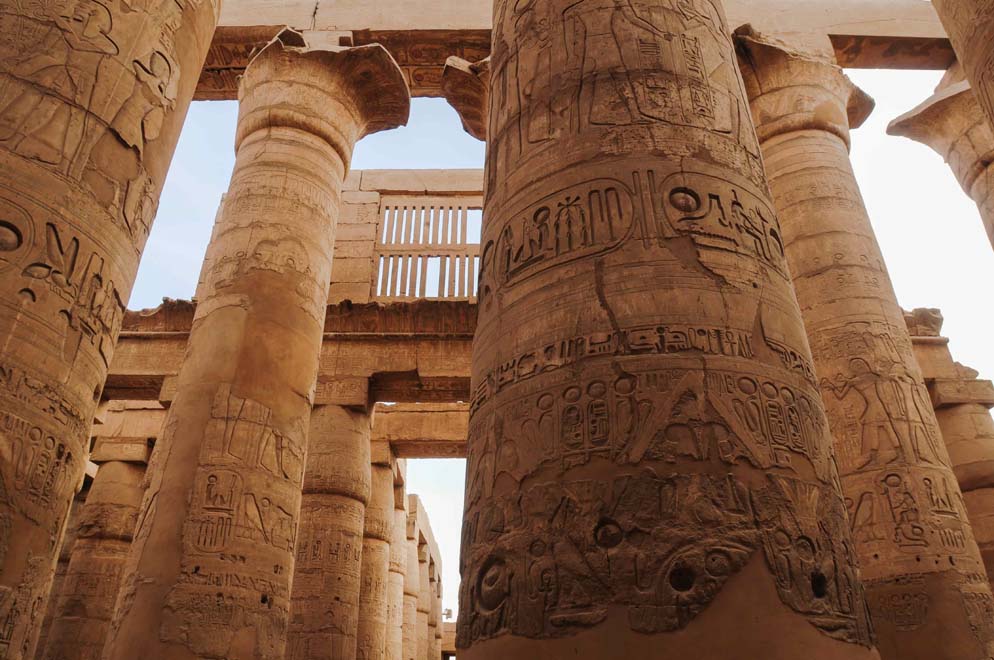
Karnak isn’t just a stop—it’s a statement, with vast rooms and monumental architecture that help define what Luxor means historically. The sheer size and symbolism are easiest to appreciate when you treat it as a centerpiece rather than squeezing it between scattered additions.
Pair it with one nearby supporting experience, and the day stays coherent and high-impact.
Valley of the Kings
Desert cliffs and wide, sunlit space frame the Valley of the Kings, giving the visit a strong sense of geography as well as history. The setting does much of the storytelling—why this place was chosen, how it was hidden, and what “royal burial” meant in practical terms.
Even a relatively simple visit can feel high value here, especially when you avoid stacking too many other major sites the same day
Luxor Museum
For travelers who want context, the Luxor Museum is one of the most efficient ways to deepen the entire visit. Its collection connects the monuments outside to objects and stories you can absorb at a calmer pace, making the broader itinerary feel more grounded.
It’s especially useful after a temple-heavy morning, when you want interpretation without more walking in the heat.
Mummification Museum
A smaller, focused stop, the Mummification Museum adds a clear layer of understanding to what you’ve been seeing in temples and tombs. It’s particularly valuable when your itinerary is heavy on major landmarks but light on explanation—this is where practices and beliefs become easier to grasp.
As a supporting visit, it works well in the afternoon when you want depth without another large-scale site.
How Luxor Fits into a Broader Itinerary
A visit to Luxor is best when you keep it simple.
- One headline stop in the morning
- A second lighter activity later in the day
- Room for meals or wandering in between
That pacing keeps the experience comfortable, especially when Luxor is only one part of a longer itinerary.
It also helps to decide whether Luxor is meant to carry the day through one defining attraction or deliver a broader mix of atmosphere and supporting sights—once that role is clear, the visit tends to feel much more satisfying.
Where to Slow Down
Even in a destination packed with famous landmarks, the quality of the visit often depends on where you let the pace soften.
- Build in time for a long meal
- Add a quieter museum hour
- Choose a scenic Nile-side pause instead of one more major site
Those slower moments often make the day feel complete rather than merely efficient.
Travel Planning Notes
Most travelers get more from Luxor when they keep one part of the day flexible.
- Helps with weather and heat or slower transfers
- Allows extra time at a key temple
- Gives space when one site deserves longer than expected
In practice, flexibility is often the difference between a trip that feels efficient and one that actually feels enjoyable.
Frequently Asked Questions
How much time should I plan for Luxor?
A focused one to two day stay is enough for most travelers to cover the major highlights without rushing. If you want museums, neighborhoods, and slower meals built in, extra time helps.
What kind of experience is Luxor best known for?
It is strongest when you treat it as more than a checklist stop. The destination usually delivers best when you pair one major attraction with time to take in the atmosphere around it.
How should I fit Luxor into a larger trip?
Use it as a clear anchor, not a filler stop. Build one strong day around the headline sights, then connect it to the next destination with a lighter transfer or travel day.