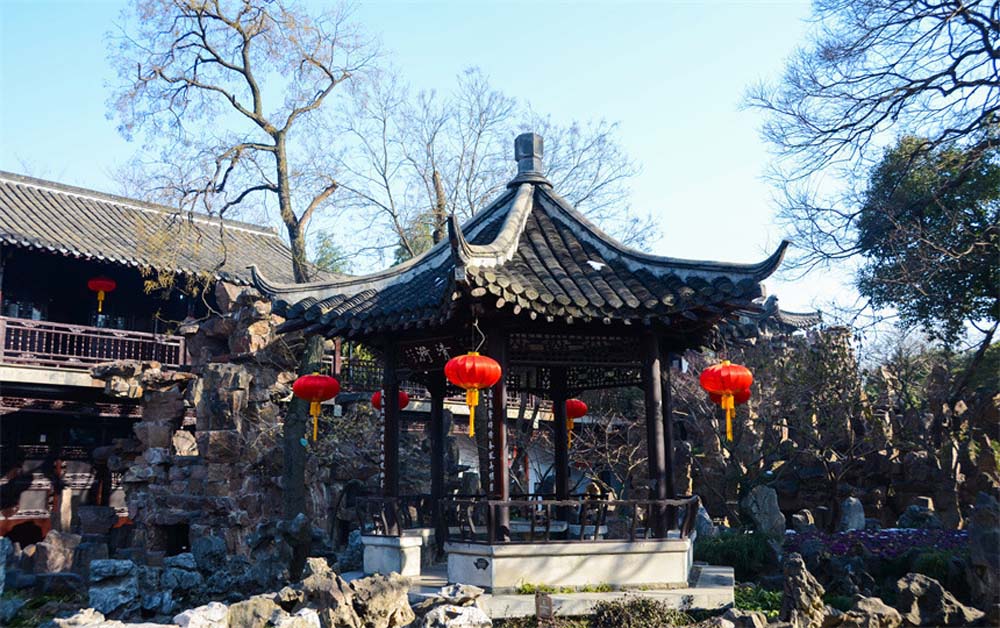
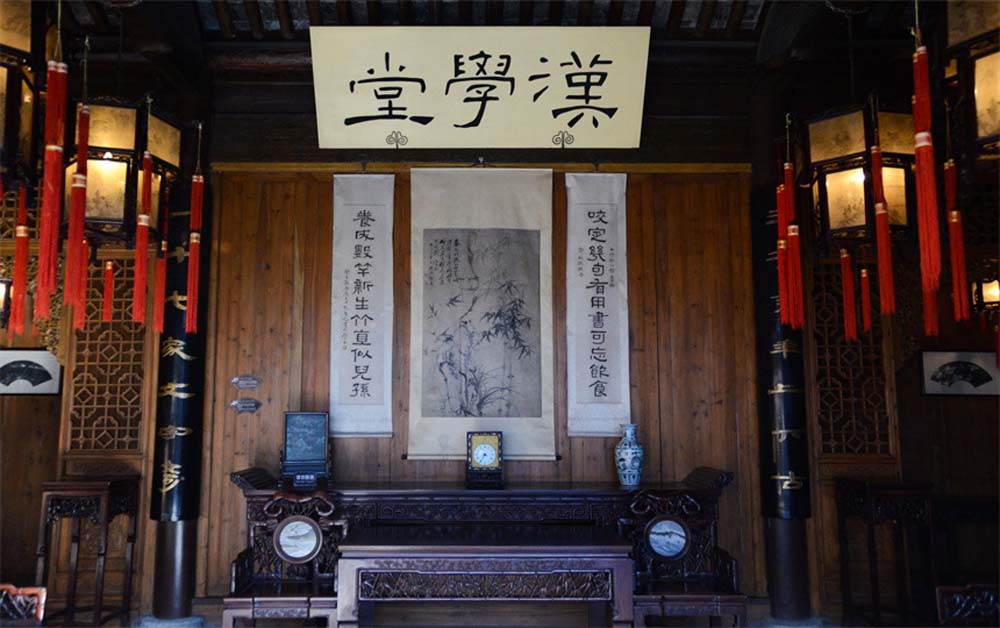


Ge Garden, also known as Geyuan Garden, is one of the most celebrated classical private gardens in Yangzhou, Jiangsu Province. Rebuilt during the Qing Dynasty, it is admired for its symbolic rock formations, bamboo landscapes, and refined architectural harmony. Today, it remains a tranquil cultural highlight for travelers exploring Yangzhou as part of a luxury Yangtze River cruise.
Unique Features of Ge Garden
Ge Garden is distinguished by its artistic stone compositions, seasonal symbolism, and carefully layered spatial design. Each corridor, courtyard, and pavilion unfolds gradually, revealing curated perspectives that reflect the philosophy and refinement of classical Chinese landscape art.
The Four-Season Rockery
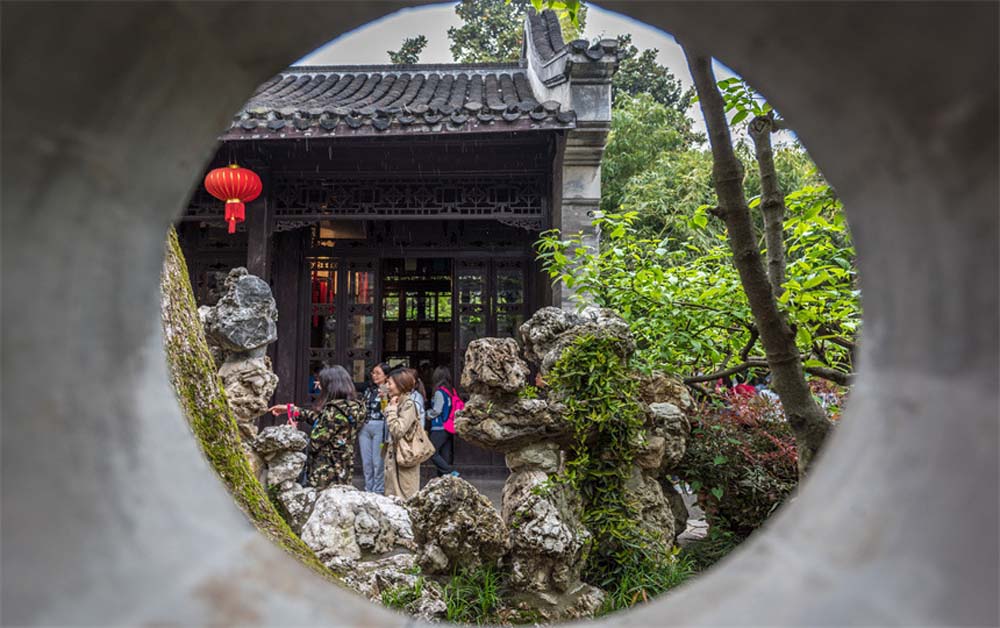
The garden’s defining feature is its renowned Four-Season Rockery. Different types of stones are arranged to represent spring, summer, autumn, and winter, each section evoking a distinct seasonal atmosphere. This rare composition is considered unique in China and demonstrates the intellectual depth embedded in traditional garden design.
The Role of Bamboo in the Garden’s Design
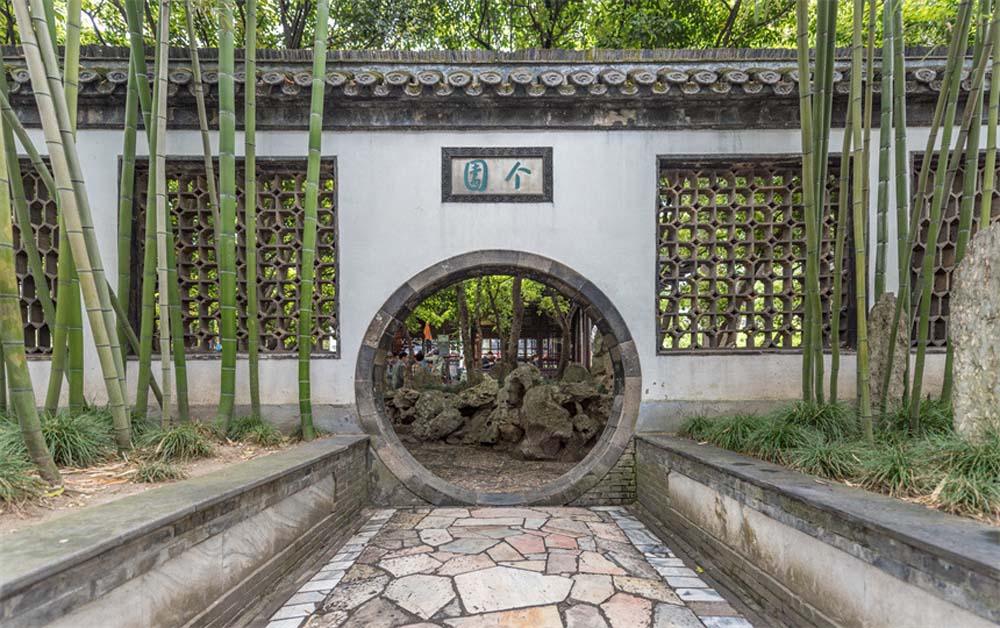
Bamboo plays a central role in Ge Garden’s identity. Symbolizing resilience and scholarly virtue, it frames pathways and complements the sculptural rock formations. Unlike many classical gardens that emphasize flowering plants, Ge Garden prioritizes bamboo, giving the landscape a refined and understated elegance.
Qing Dynasty Aesthetic Influence
Rebuilt in 1818, Ge Garden reflects the aesthetic ideals of the Qing Dynasty. The layout balances grandeur and delicacy, blending northern monumentality with southern subtlety. Pavilions and corridors are positioned to create framed views, transforming the entire landscape into a living painting.
Ge Garden and Yangzhou’s Private Garden Tradition
Yangzhou became famous for private garden construction as early as the Han Dynasty. By the Qing period, the city was renowned for its elegant residences and cultivated landscapes. Ge Garden remains one of the finest surviving examples of this historic garden tradition.
Yangzhou’s Classical Garden Heritage
The prosperity of imperial Yangzhou fostered a culture of refinement and artistic expression. Influenced by imperial visits—particularly those of Emperor Qianlong—garden design flourished, reflecting scholarly taste and cultural prestige.
Ge Garden Compared to Other Yangzhou Private Gardens
Among Yangzhou’s surviving gardens, Ge Garden stands apart for its Four-Season Rockery and bamboo-focused design. Its sculpted stone compositions and symbolic seasonal layout give it a distinctive character within Jiangsu’s classical landscapes.
Visiting Ge Garden on a Yangtze River Cruise
As part of a curated Yangzhou shore excursion, a visit to Ge Garden provides a serene counterpoint to the sweeping grandeur of the Yangtze River. The experience offers guests a deeper appreciation of classical Chinese aesthetics while enjoying the comfort and organization of a luxury cruise itinerary.
What to Expect During a Tour
Visitors stroll through winding corridors, traditional pavilions, tranquil courtyards, and artfully arranged rockeries. Each turn reveals a new perspective shaped by light, shadow, stone, and greenery.
Typical Visit Duration
A guided visit typically lasts one to two hours, allowing time to explore the seasonal rockeries, architectural details, and bamboo-lined pathways at a relaxed pace.
Ge Garden as Part of Yangzhou Cruise Excursions
Ge Garden is frequently included in organized Yangzhou cultural excursions. Combined with other regional landmarks, it offers a well-rounded introduction to Jiangsu’s artistic and historical heritage.
Photography Highlights
The Four-Season Rockery provides striking photographic opportunities, especially where bamboo intersects with dramatic stone formations. Framed views through moon gates and corridor openings create elegant compositions throughout the garden.
Plan Your Yangzhou Cultural Experience
Ge Garden can be seamlessly paired with other Yangzhou attractions, enriching a broader exploration of the city’s cultural legacy.
Seasonal Changes at Ge Garden
Spring and autumn are particularly scenic, when foliage enhances the layered rock formations. However, each season reflects the symbolic intent of the garden’s design, offering a distinct visual atmosphere throughout the year.
Attractions Near Ge Garden
Visitors may combine a visit to Ge Garden with nearby cultural sites such as Slender West Lake and historic temples, creating a comprehensive Yangzhou experience within a single shore excursion.
Frequently Asked Questions About Ge Garden
When Was Ge Garden Built?
The current layout dates to 1818 during the Qing Dynasty, though the site originated as Shouyi Garden in the Ming Dynasty.
How Did Ge Garden Survive China’s Turbulent History?
Despite periods of conflict that damaged many historic gardens in Yangzhou, Ge Garden survived and remains one of the most complete examples of Qing Dynasty private landscape design.
Where Is Ge Garden Located?
Ge Garden is located in Yangzhou, Jiangsu Province, China.
What Does the Name “Ge Garden” Mean?
The name references bamboo, which is pronounced similarly to “ge” in Chinese and is prominently featured throughout the garden.
Is Ge Garden a UNESCO Site?
Ge Garden is not individually designated as a UNESCO World Heritage Site but is widely regarded as one of China’s most significant classical private gardens.
Are Guided Tours Available?
Yes. Guided visits are commonly offered as part of organized Yangzhou shore excursions included in select Yangtze River cruise itineraries.