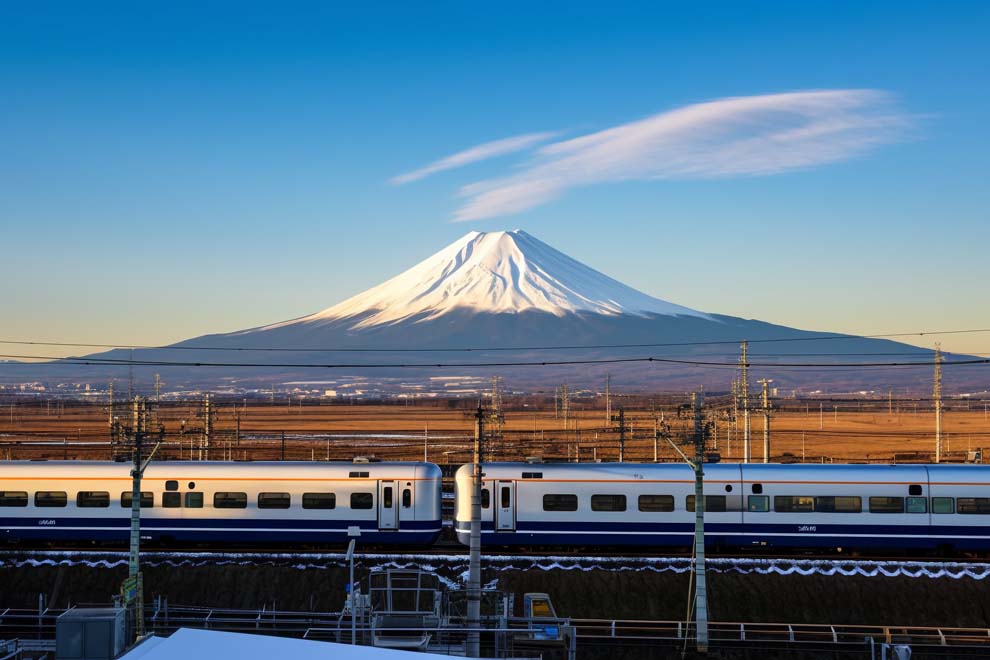
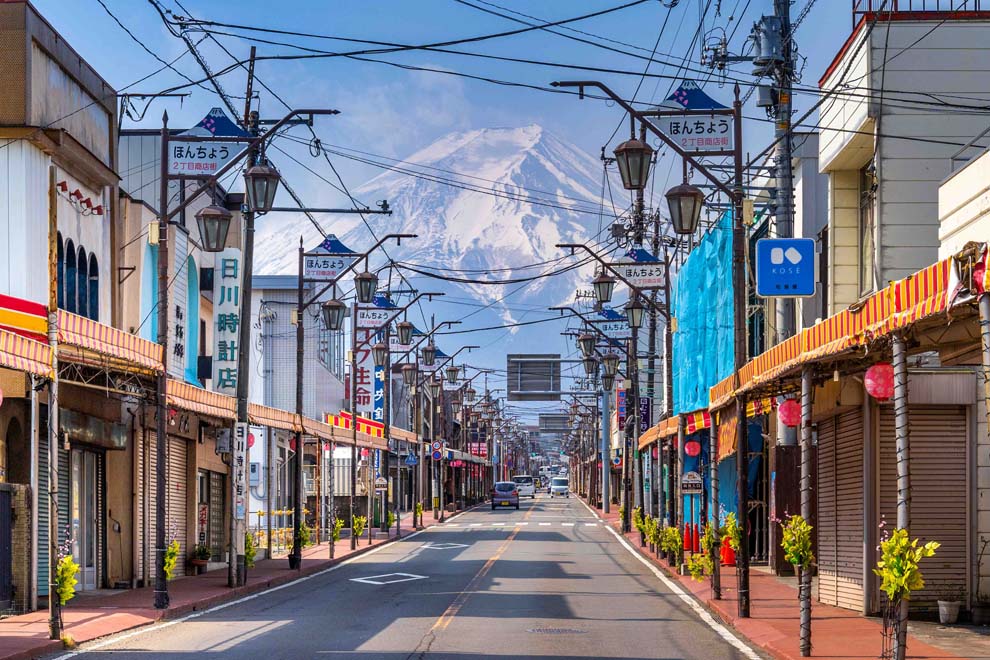
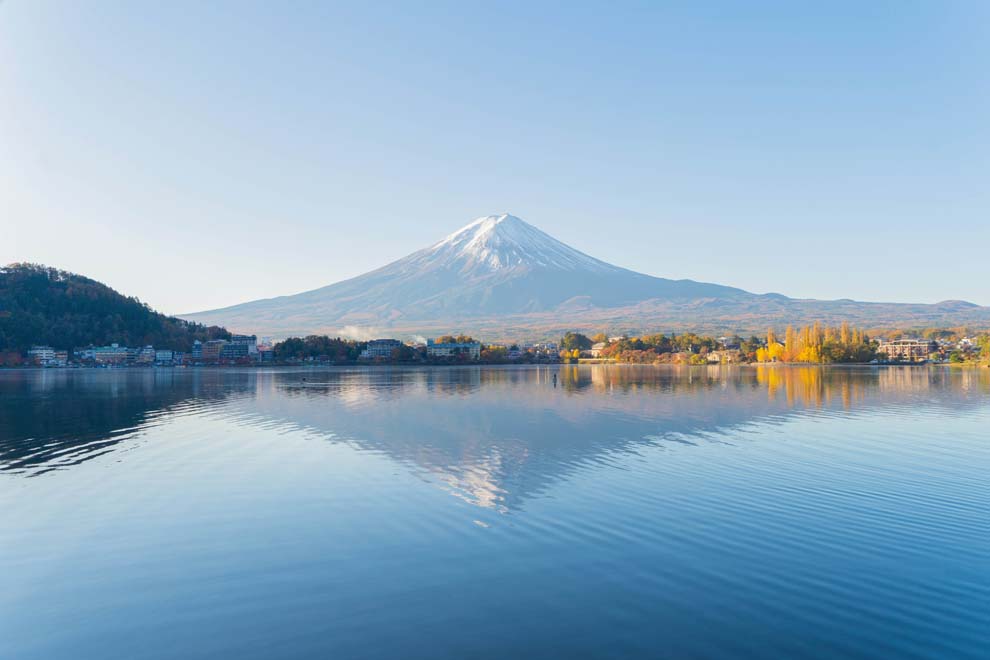
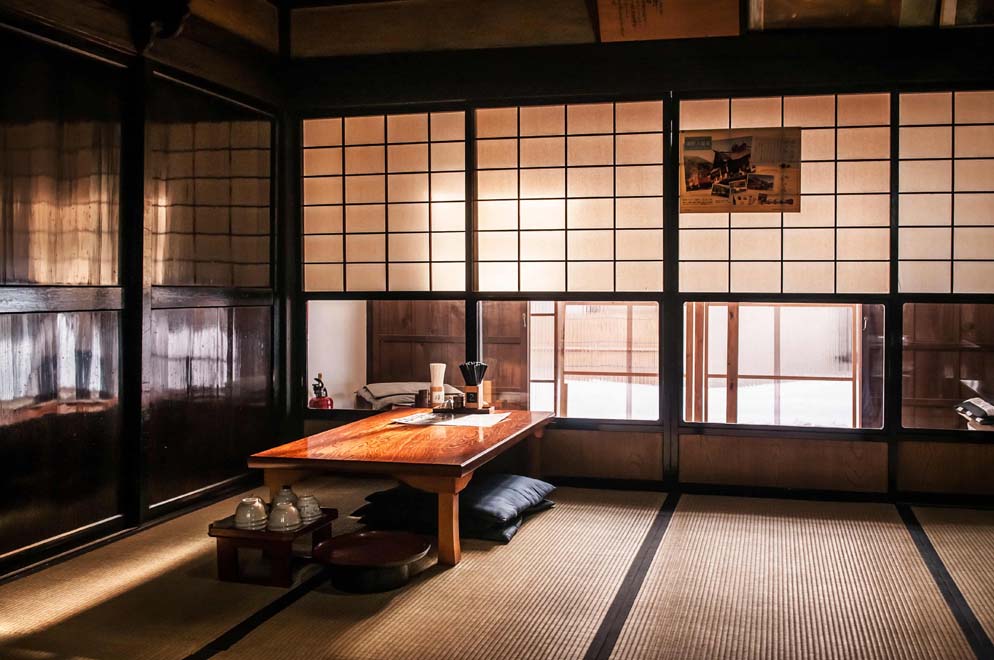


The Fuji area delivers Japan at its most iconic—open skies, lake-and-forest scenery, and that unmistakable silhouette of Mt. Fuji anchoring the horizon. It’s an ideal scenic counterpoint to Tokyo and other high-energy urban stops, bringing a slower, more visual rhythm to the itinerary. For trip planning, Fuji is especially appealing when you want iconic scenery, elevated viewpoints, and parkland-style outdoor stops layered in. With Fuji, the common mistake is overplanning. The best days keep the scenery and a few well-chosen experiences at the center, giving the landscape room to shape the memory.
Why Visit Fuji
Tourist destinations in Fuji are filled with contrasts: the iconic mountain surrounded by serene lakes, charming villages, and natural hot springs offers plenty to interest visitors. You might pair architecture with scenery, a major historic site with a quieter walk, or a highly structured tour with free time afterward. For Century guests, that kind of mix tends to make the destination feel more memorable and less mechanical.
Top Things to Do in Fuji
Mt. Fuji
Few landmarks change the mood of a day like Mt. Fuji—elevation, clean lines, and a sense of scale that’s felt as much as it’s photographed. It’s especially valuable when you want the itinerary to feel broader than temples and museums, shifting the focus to landscape and perspective. Pair it with a lighter second activity afterward and the day stays balanced. This is often the experience travelers remember for atmosphere and grandeur more than for any single scripted stop.
Oshino Hakkai
Clear spring-fed ponds, traditional touches, and a strong “Fuji foothills” setting make Oshino Hakkai feel instantly distinctive. It’s a stop that works best when treated as a focused experience rather than one more box to tick—time to stroll, take in the water and views, and absorb the calmer pace. Pair it with one nearby supporting stop and keep the schedule light; that’s when it tends to define the day most effectively.
Arakurayama Sengen
If you’re looking for a stop feels both scenic and satisfying, Arakurayama Sengen Park is a standout. The open air, layered views, and gentle walking paths make it a natural balance point in an itinerary heavy on indoor sites. When the wider trip has been dense, even a relatively simple visit here can noticeably improve the rhythm of the day. It’s best enjoyed unhurried, with time for photos and a slow climb.
Saiko Iyashi-no-Sato Nemba
Set near the lakes with a strong sense of place, Saiko Iyashi-no-Sato Nemba adds texture to a Fuji day—heritage atmosphere, crafted spaces, and a setting that complements the natural scenery rather than competing with it. It’s strongest when paired with one nearby experience instead of scattered additions, giving the visit a cleaner flow. As a priority stop, it often delivers more “destination feel” than a longer list of smaller, disconnected sights.
How Fuji Fits into a Broader Itinerary
When building time in Fuji, it helps to decide early whether the day is about scenery, heritage, or a blend of both. Once you choose the main theme, planning becomes simpler and the stop feels more coherent.
With Fuji, the mistake is usually overplanning. The strongest version of the day keeps the landscape, the viewpoints, and a few well-chosen experiences at the center—letting the setting do the heavy lifting, which is the whole point of adding Fuji in the first place.
What to Expect from the Experience
Fuji is at its best when you arrive ready to observe rather than micro-manage the schedule. Weather, light, and shifting perspectives shape the day, and the most memorable moments often come between the formal stops. A well-structured visit can look light on paper but feel substantial in memory because the scenery carries so much of the experience.
Travel Planning Tips
Most travelers get more from Fuji when they keep part of the day flexible.
- Use that buffer to adapt to changing weather around the mountain
- Allow extra time for slower transfers or reaching viewpoints
- Stay longer when conditions are especially clear or scenic In practice, this flexibility is what makes the experience feel genuinely enjoyable rather than just efficient.
Final planning tip: Fuji almost always performs better as a selective stop than an exhaustive one—prioritize what matters most, enjoy the pace, and let the landscape unfold.
Frequently Asked Questions
How much time should I give Fuji?
Even a shorter visit can be rewarding if you prioritize the main scenic moments and do not overschedule the day. A slower pace generally fits this kind of destination better.
What is the main reason travelers add Fuji?
Usually, it is for landscape and atmosphere rather than dense museum-style sightseeing. The setting itself is a big part of the experience.
How should I plan around weather and timing?
Keep a little flexibility in the day, especially if viewpoints or boat-based experiences matter most. Scenic destinations are usually more enjoyable when you are not rushing.