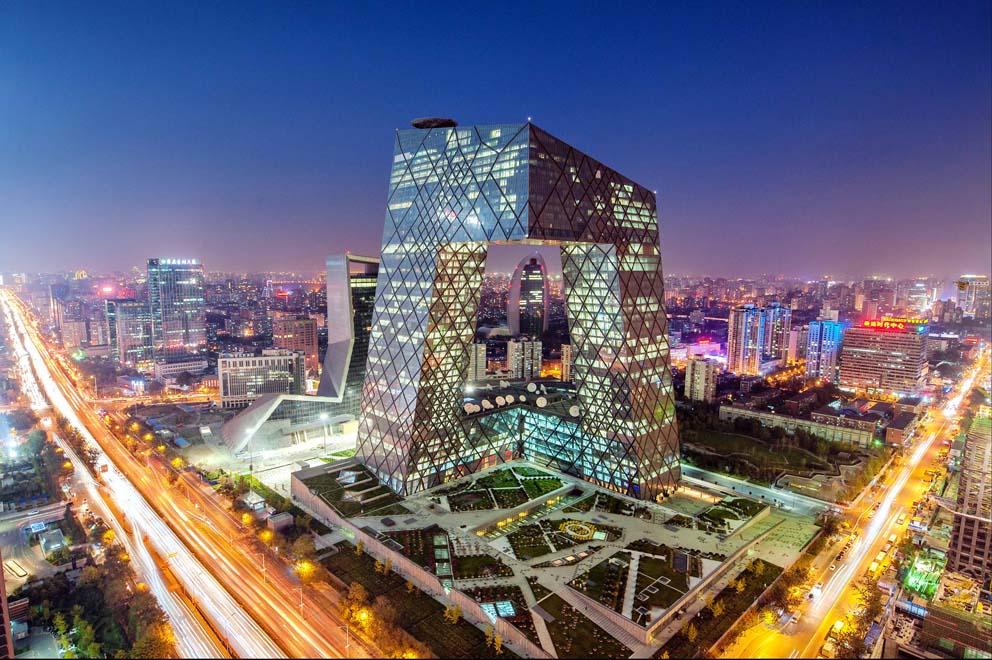
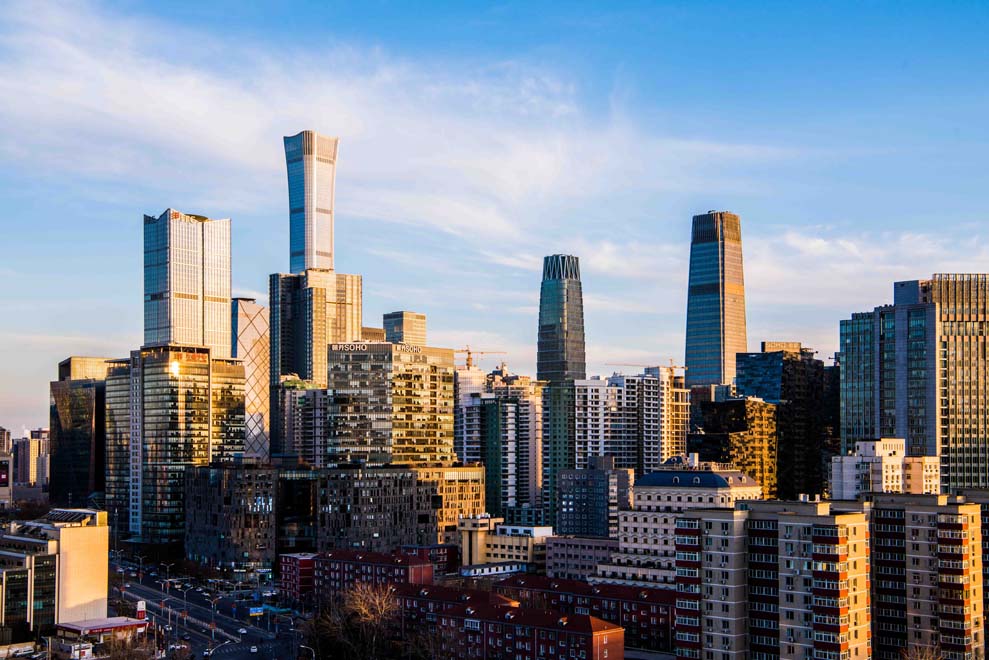


Beijing is China at its most iconic—imperial landmarks, ceremonial avenues, and architectural scale that feels instantly recognizable even before you arrive. For Century guests, it’s a high-impact land stay that pairs beautifully with a broader China itinerary, either as a powerful beginning or a grand finale. On the ground, Beijing rewards travelers who want monumental heritage, sacred spaces, and historic quarters where the city’s daily rhythm still shows through. The key is deciding whether your time is built around one headline masterpiece or a balanced mix of atmosphere and supporting sights.
Why Visit Beijing
Tourist destinations in Beijing aren't simply about how many famous places you can “check off.” It’s how naturally the city connects big, symbolic sites with a more grounded sense of place—through local food, walkable streets, courtyard neighborhoods, and moments of calm inside parks and temples. When you give each major stop enough time to land, Beijing feels immersive and meaningful rather than just monumental.
Top Things to Do in Beijing
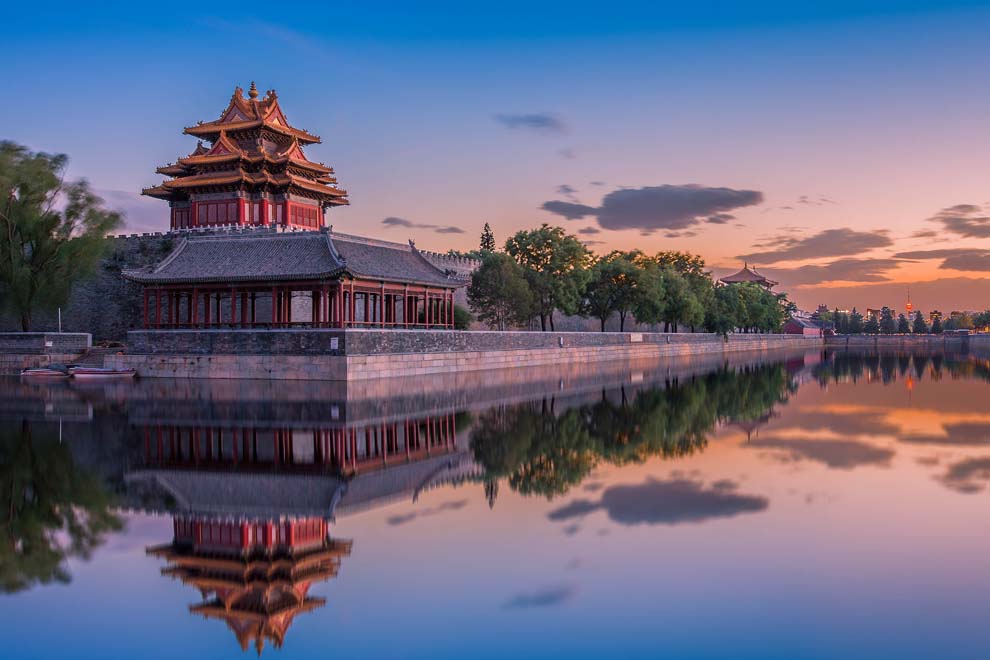
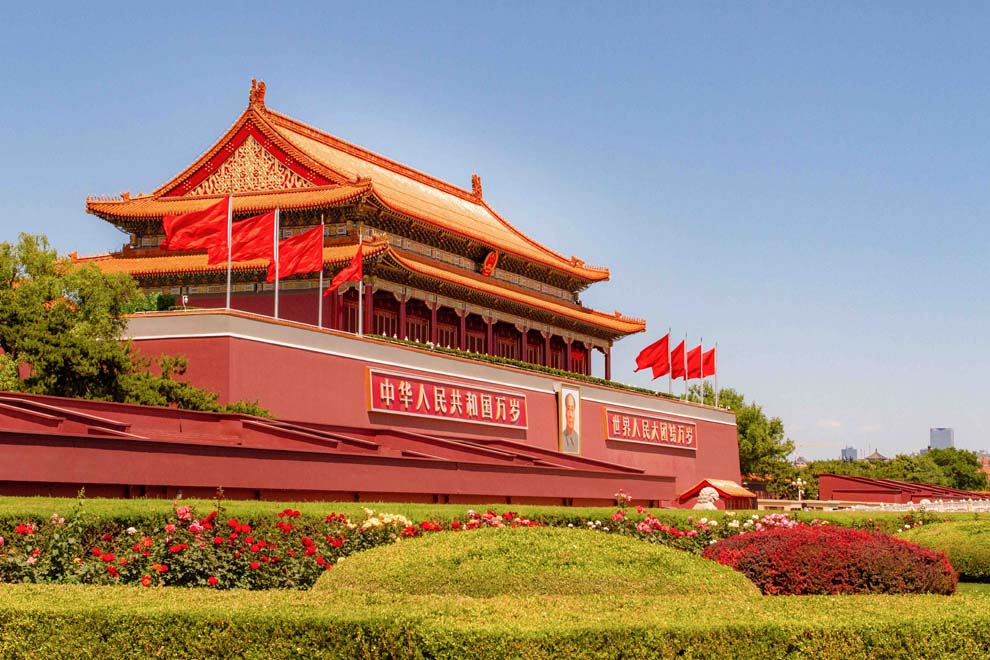
Forbidden City
The Forbidden City is Beijing’s essential headline experience—vast, symbolic, and richly textured, with courtyards and halls that make imperial China feel tangible. Walking its central axis gives the rest of the city context, from ceremonial design to power and ritual in architecture.
It’s best treated as a core experience, not a quick photo stop, because the layout and atmosphere reward unhurried time. Built into the day thoughtfully, it also creates a strong “anchor” between heavier museum or landmark blocks.
The Summer Palace
Revealing a softer, more graceful Beijing, the Summer Palace features water, gardens, and pavilions that feel designed for lingering rather than marching through. It’s a major landmark that doesn’t feel rigid or overly formal, making it ideal when you want a headline sight with a more relaxed rhythm.
For many travelers, this is where the trip shifts from sightseeing to truly enjoying the day. A measured visit pays off, because the experience is in the sequence—views, paths, and changing perspectives as you move.
Temple of Heaven
The Temple of Heaven stands out for its blend of architectural precision and living public space. The ceremonial structures give the visit real weight, but the surrounding park adds the human side—room to walk, watch local routines, and let the pace slow naturally.
It’s a strong choice when you want history that still feels connected to the present rather than sealed behind ropes. A stop here often adds a reflective tone to the itinerary, which is especially welcome when the schedule is full.
The Great Wall
The Great Wall is one of those rare landmarks that fully earns its reputation. The scale, the ridgelines, and the sheer physical reality of it become clear only once you’re standing on the stones and looking out across the landscape.
On a Century itinerary, it works best when you protect the time—avoid stacking it with too many other major sights the same day. Beyond the photographs, it gives travelers a sharper sense of geography and distance, which enriches the rest of the Beijing experience.
How Beijing Fits into a Broader Itinerary
Beijing is most satisfying when you plan it in tight geographic clusters rather than chasing every famous site across the city.
- Choose the attraction that matters most,
- Add one nearby supporting experience or neighborhood,
- And keep part of the day flexible.
That approach fits Century-style travel better than a full “city sweep” in limited time, and it helps the destination feel intentional rather than exhausting.
Decide early whether Beijing is meant to be the itinerary’s headline day or a broader mix of atmosphere and supporting sights, and the rest of the planning becomes much easier.
What to Prioritize First
If time is limited, focus on one defining Beijing experience rather than what’s most convenient.
- Choose either Forbidden City or Great Wall of China as your anchor and build your day around that core highlight
- Then add one supporting stop that shifts the rhythm.
- A temple, park-and-gardens experience, or historic neighborhood walk works well
That pairing is usually enough to make the visit feel complete without turning the day into a rush.
Frequently Asked Questions
How much time should I plan for Beijing?
A focused one to two-day stay is enough for most travelers to cover the major highlights without rushing. If you want museums, neighborhoods, and slower meals built in, extra time helps.
What kind of experience is Beijing best known for?
It is strongest when you treat it as more than a checklist stop. The destination usually delivers best when you pair one major attraction with time to take in the atmosphere around it.
How should I fit Beijing into a larger trip?
Use it as a clear anchor, not a filler stop. Build one strong day around the headline sights, then connect it to the next destination with a lighter transfer or travel day.