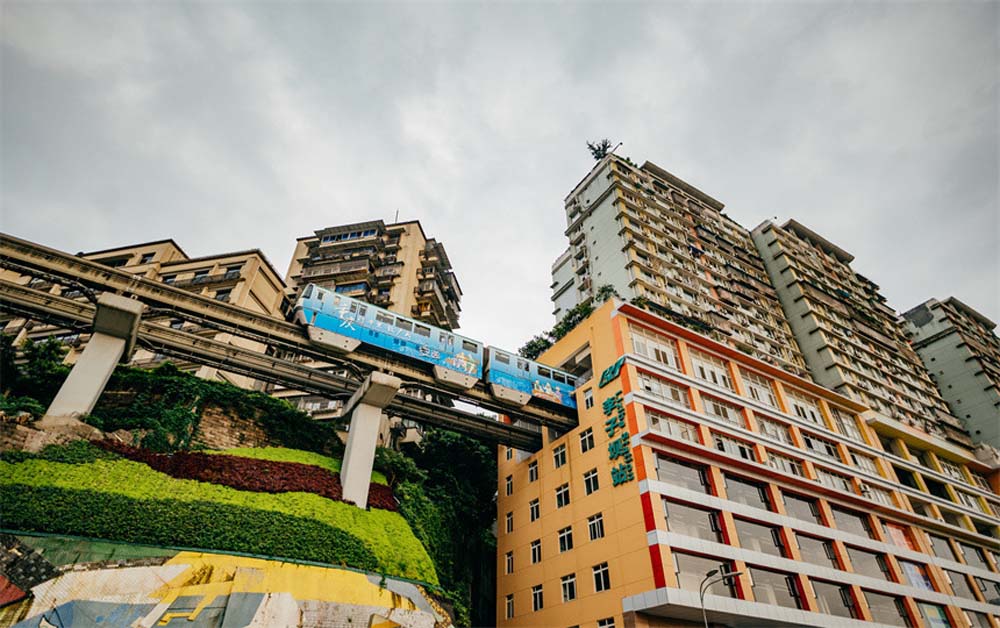
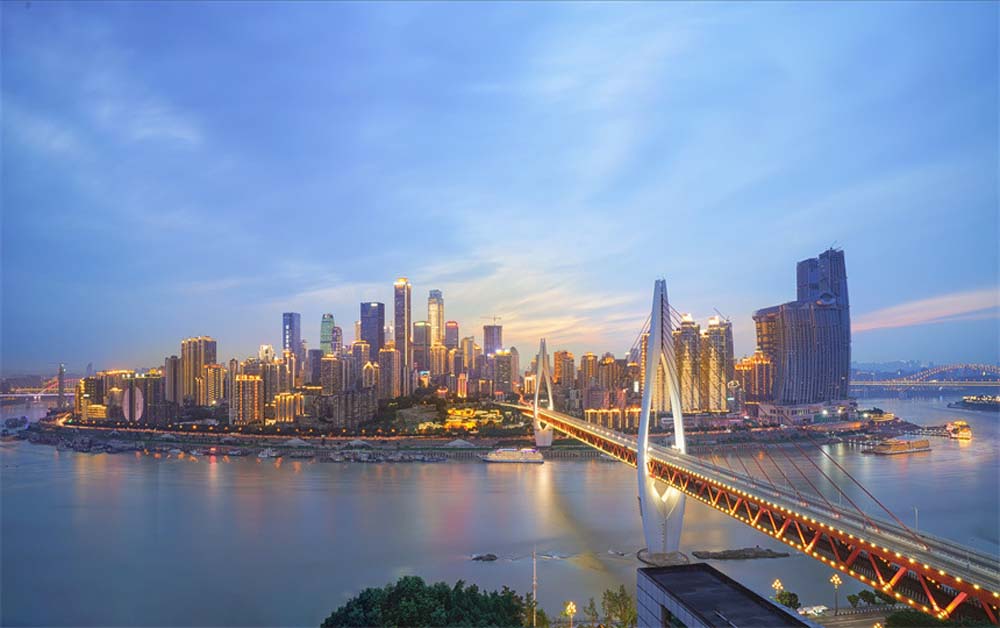
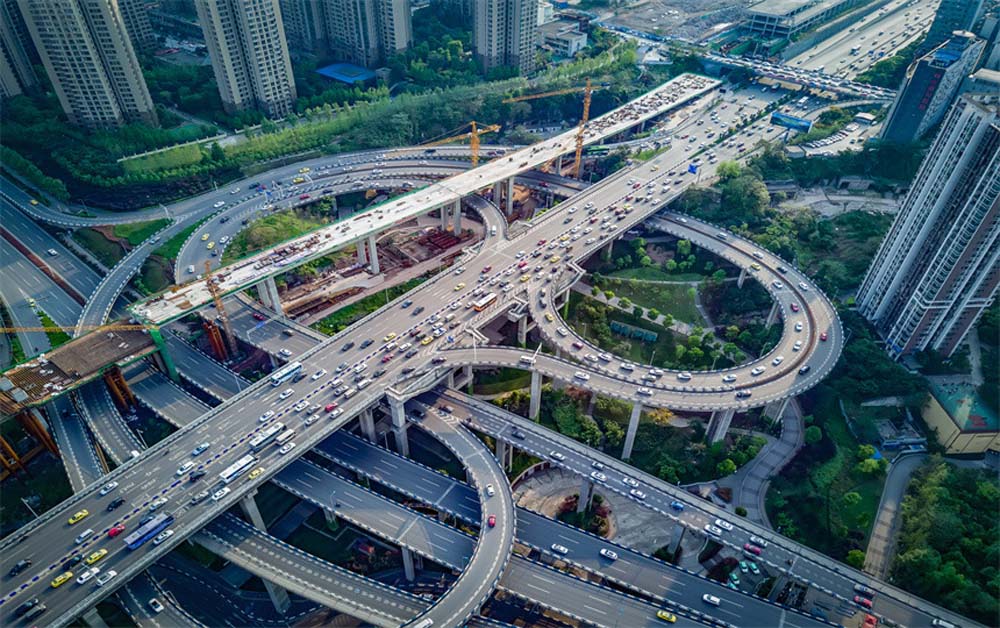
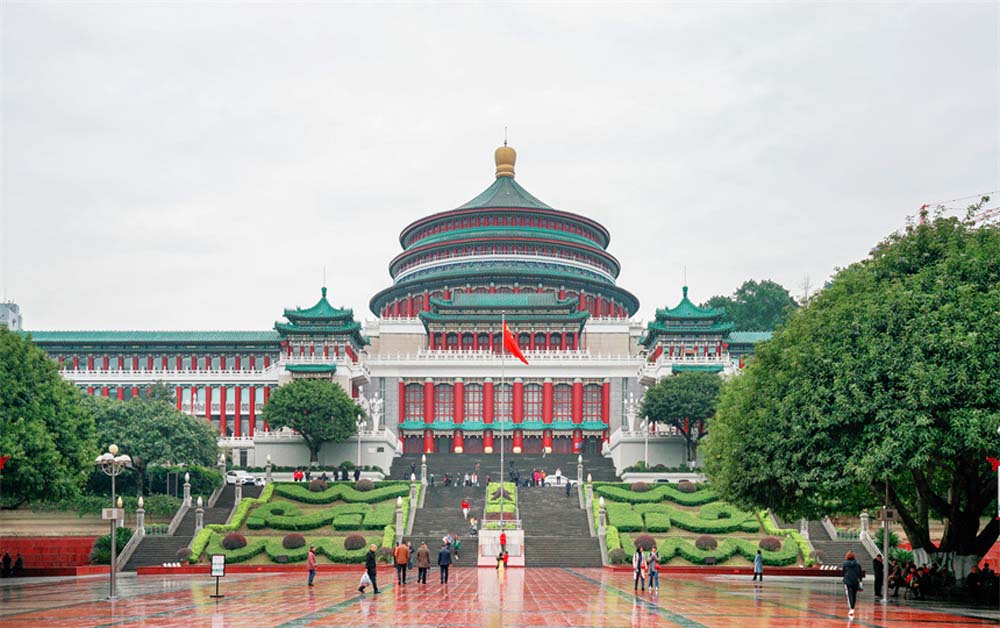


Bold, vertical, and intensely alive, Chongqing rises from the confluence of the Yangtze and Jialing Rivers in layers of bridges, stair-stepped streets, and hillside neighborhoods, with many standout tourist destinations in Chongqing woven into its dramatic landscape.
It’s one of the strongest places to pair big-city atmosphere with cruise boarding, shore excursions, and nearby cultural day trips—especially for travelers who want the energy of a modern China metropolis without losing access to classic river scenery.
In practical terms, Chongqing rewards a range of travel styles.
- Historic quarters and everyday street life
- River views and dramatic landscapes
- Well-known signature sights
It also works well as a base without requiring constant transfers.
When fitting Chongqing into a wider route, it helps to decide whether this stop should be built around one headline attraction or a broader mix of atmosphere and supporting sights. Once that role is clear, planning becomes easier—and the experience tends to feel much more satisfying.
Why Visit Chongqing
Chongqing is worth the time for more than the number of “named” sights. The real payoff is how naturally the city connects signature highlights with a grounded sense of place—hotpot culture and street food, riverfront walks, skyline viewpoints, and neighborhoods where daily life plays out on steep lanes and staircases. The strongest days usually have one main priority, plus enough flexibility to enjoy the city’s mood rather than sprinting through a checklist.
Top Things to Do in Chongqing
Chaotianmen Dock
Situated where the rivers meet, Chaotianmen Dock gives you Chongqing at full volume—boats, promenades, skyline lines, and a constant flow of local life. It’s an ideal stop for soaking in the city’s river identity and getting your bearings before or after excursions. Leave room unplanned walking, local food, or simply taking in the setting; the atmosphere here is the attraction.
Ci Qi Kou Ancient Town
Old lanes, teahouse energy, and shopfront street life make Ci Qi Kou Ancient Town a satisfying contrast to Chongqing’s modern verticality. The atmosphere here matters as much as any particular attraction. The best way to experience it is unhurried: browse, sample local bites, and let the textures of daily commerce and heritage architecture come through. It pairs well with one nearby stop rather than a packed lineup.
Dazu Rock Carvings
Carved into stone with extraordinary detail, the Dazu Rock Carvings deliver cultural significance that feels instantly substantial. This is the kind of site that can define the day—historical weight, artistry, and a setting that rewards focused time rather than quick photos. You'll want to take your time here, so pair it with one complementary stop and an otherwise lighter schedule rather than several scattered additions.
816 Project
Hidden-scale history is the appeal of the 816 Project, an immense underground complex that adds a surprising, cinematic dimension to a Chongqing itinerary. The experience lands best when you give it time and treat it as a main feature, not a squeeze-in. On shorter visits, it can provide the clear “center of gravity” that keeps the day coherent.
Fengdu Ghost City
Part folklore, part cultural theater, Fengdu Ghost City brings a distinctively Chinese blend of legend, ritual imagery, and hillside setting. It’s a memorable change of tone—more atmospheric than monumental—and works well as a contrast stop between heavier historic sites and museums. Plan for wandering and viewpoint pauses; it’s the mood that makes it stick.
Hongya Cave
Lit up and layered along the riverbank, Hongya Cave is one of Chongqing’s most photogenic urban experiences—night views, snack stalls, and a lively sense of place. Rather than rushing through, build in time to explore different levels and step back for skyline-and-water photos. It’s a strong “in-between” stop that adds energy without requiring a full-day commitment.
Jiefangbei Central Business District (CBD)
For a clear look at modern Chongqing’s pace and polish, Jiefangbei CBD delivers: bright streetscapes, shopping corridors, and an urban rhythm that’s excellent for an evening walk. This is a good place to blend sightseeing with dining—especially if you want the city to feel lived-in, not museum-like. It’s most enjoyable with flexible time for wandering.
Longgang National Geological Park
A wider horizon and a more relaxed walking environment are what Longgang National Geological Park contributes to the itinerary. It’s a strong option when you want nature-forward scenery and an antidote to dense city time. Used well, it keeps the day from feeling overly programmed and adds breathing room on longer routes.
Mt. Wuling Great Rift Valley
Mt. Wuling Great Rift Valley earns its place as a scenic anchor with big visual payoff—dramatic landforms and viewpoints that shift the trip into “landscape mode.” It’s especially useful for balancing structured cultural visits with an experience that feels open and expansive. Keep the pacing simple and observational here; the setting does the work.
Return to the Three Gorges Show
An evening show like Return to the Three Gorges can be the perfect format change after a day of landmarks. The performance allows you to enjoy the magnificent landscape of the Three Gorges in a dreamlike aesthetic poetry, showcasing the unique trains of Chongqing and the proud culture of poetry. Expect mood, staging, and cultural storytelling that adds an emotional layer you won’t get from daytime sightseeing alone. It works best as a capstone—something to round out the day, not compete with its main highlight.
Shennv Stream
Shennv Stream is a scenery-led experience where the strongest plan is often the simplest one. On a Century trip, this kind of stop often helps balance the more structured cultural visits. The appeal comes from scale, shifting perspectives, and the calm of moving through a more intimate river corridor. It can also serve as the visual reset that keeps a longer itinerary from feeling too city-heavy. Give yourself permission to observe rather than over-schedule, and it often becomes a quiet highlight.
Shibao Pagoda
Rising with a distinctive silhouette, Shibao Pagoda is most rewarding when approached slowly. Its value is not only architectural—it’s the setting, the symbolism, and the way the visit changes the day’s rhythm. That change in rhythm is part of why sites like this tend to stay with travelers longer than expected. Pair it with a gentle walk or a nearby neighborhood stop rather than stacking another major landmark immediately after. A visit here often gives the broader itinerary a more reflective tone, which can be useful in a tightly packed trip.
The Lesser Three Gorges
For travelers who want the river landscape to take center stage, the Lesser Three Gorges deliver. Expect strong natural scale and a feeling of immersion that doesn’t depend on dense interpretation. That is why even a relatively simple visit can feel like a refreshing experience. This is the kind of stop that works best when you keep the schedule light and let the scenery unfold.
The White Crane Ridge
The White Crane Ridge adds a distinctive “story beneath the surface” layer to the region, offering a signature experience that feels different from standard viewpoint stops. It’s most effective when given space in the schedule so the site can be understood rather than rushed. It often serves best as the attraction that defines the day, then lets the rest of the schedule stay lighter. For shorter itineraries, it can serve as a defining highlight that keeps the day focused.
Wanzhou
Wanzhou can be an effective “anchor stop” when you want a defined destination day that stays manageable. The best approach is to keep the plan clean—one primary experience, then time to take in the river-city setting without constant transitions. Treated as a centerpiece rather than a quick add-on, it often feels more satisfying. When the trip is short, choosing a site like this can give the destination a clearer center of gravity.
War Fire of Three Kingdoms Show
War Fire of Three Kingdoms Show brings spectacle and narrative—a lively way to add variety after a day of sightseeing. It adds performance and mood to the itinerary, which can be a fun way to round out a day that has already covered major landmarks. It’s a strong choice for travelers who enjoy performance as cultural context, not just architecture and museums. Like most evening programs, it plays best as the day’s closing note. It offers an emotional and visual layer that daytime sightseeing does not always provide.
Wulong Karst National Geology Park
A scenic anchor to your itinerary, Wulong Karst National Geology Park delivers the kind of landscape that feels instantly “worth the drive”—geological drama, scale, and scenery that reads as a true highlight rather than a filler stop. It helps balance city intensity with a nature-forward day. Leave room for weather shifts and viewpoints; the experience improves when it isn’t rushed.
White Emperor City
A classic pairing of setting and atmosphere, White Emperor City works well when you want a heritage vibe that still feels connected to lived-in river life. It’s best enjoyed with unplanned time to walk, browse, and take in the surroundings rather than treating it as a quick monument stop. This is a strong “between blocks” visit that keeps the itinerary human-scaled.
Xiaoguanshan Ancient Folk Culture Park
Xiaoguanshan Ancient Folk Culture Park adds cultural texture through setting, craft, and street-level atmosphere. The experience is less about one iconic photo and more about the feeling of place, memorable details you notice as you stroll. It’s a smart complement to bigger landmark days, especially when you leave room for casual wandering.
Zhangfei Temple
Zhangfei Temple brings a quieter, more reflective dimension to a Chongqing day—architecture, atmosphere, and a sense of story that changes how the region reads. This can affect the feel of the day in a good way. It’s most effective when paired with a slower walk or nearby stop rather than placed in the middle of a packed landmark sequence. For many travelers, this is the kind of visit that lingers because it shifts the tone. That change in rhythm is part of why sites like this tend to stay with travelers longer than expected.
How Chongqing Fits into a Broader Itinerary
The easiest way to plan Chongqing is to group nearby experiences rather than trying to cover every possible stop.
- Choose the attraction that matters most,
- Add one supporting site or neighborhood close by,
- And keep part of the day flexible.
That approach usually fits Century-style travel better than forcing a full city sweep into limited time.
When you decide whether Chongqing is meant to carry the day with one headline attraction or deliver a broader mix of atmosphere and supporting sights, the rest of the planning becomes much simpler—and the destination tends to feel far more enjoyable in practice.
Frequently Asked Questions
How much time should I plan for Chongqing?
A focused one to two day stay is enough for most travelers to cover the major highlights without rushing. If you want museums, neighborhoods, and slower meals built in, extra time helps.
What kind of experience is Chongqing best known for?
It is strongest when you treat it as more than a checklist stop. The destination usually delivers best when you pair one major attraction with time to take in the atmosphere around it.
How should I fit Chongqing into a larger trip?
Use it as a clear anchor, not a filler stop. Build one strong day around the headline sights, then connect it to the next destination with a lighter transfer or travel day.