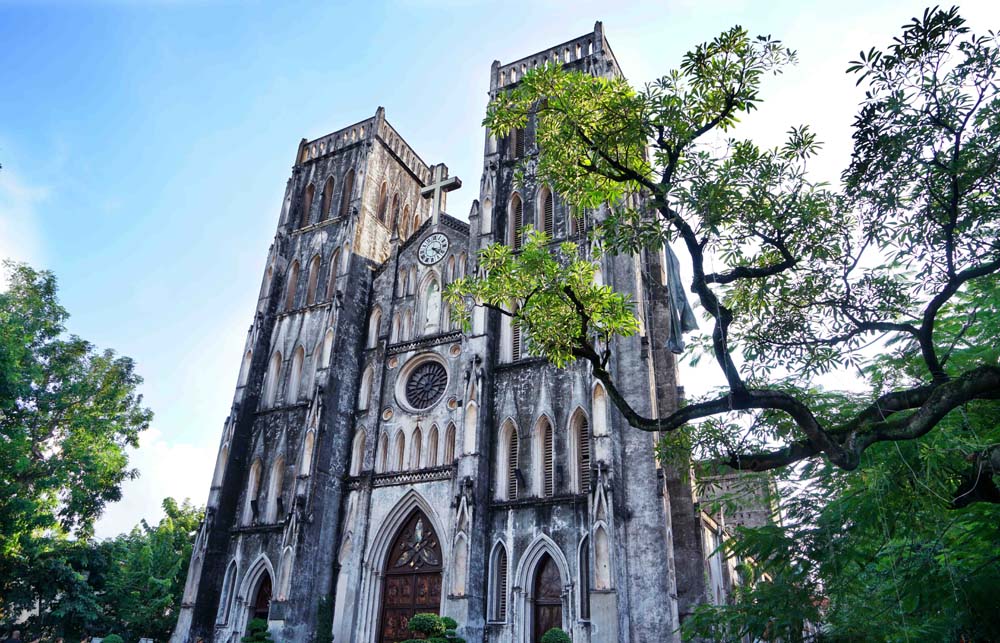
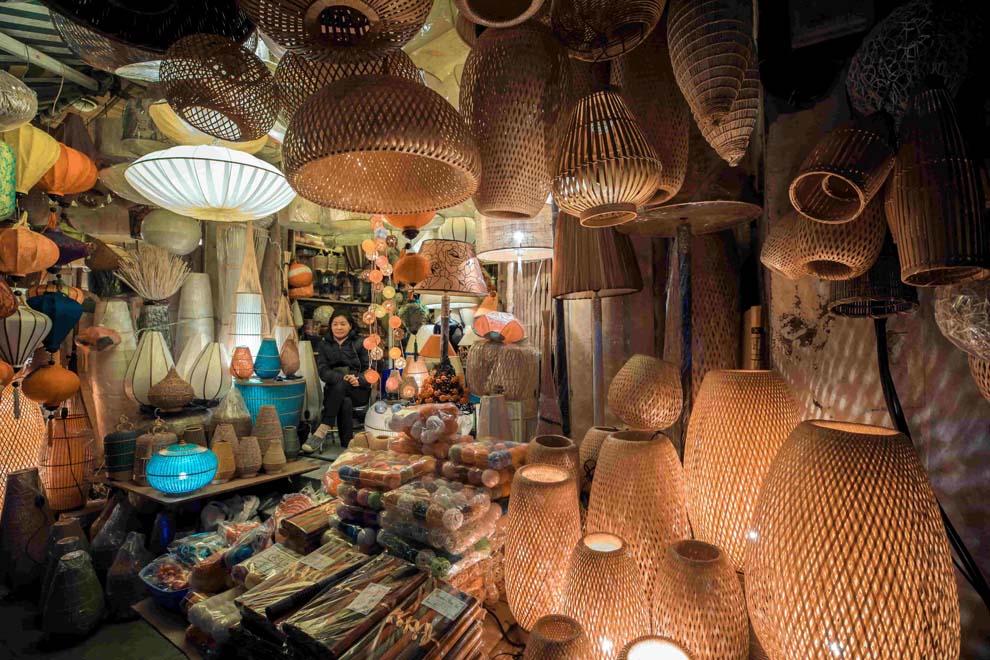
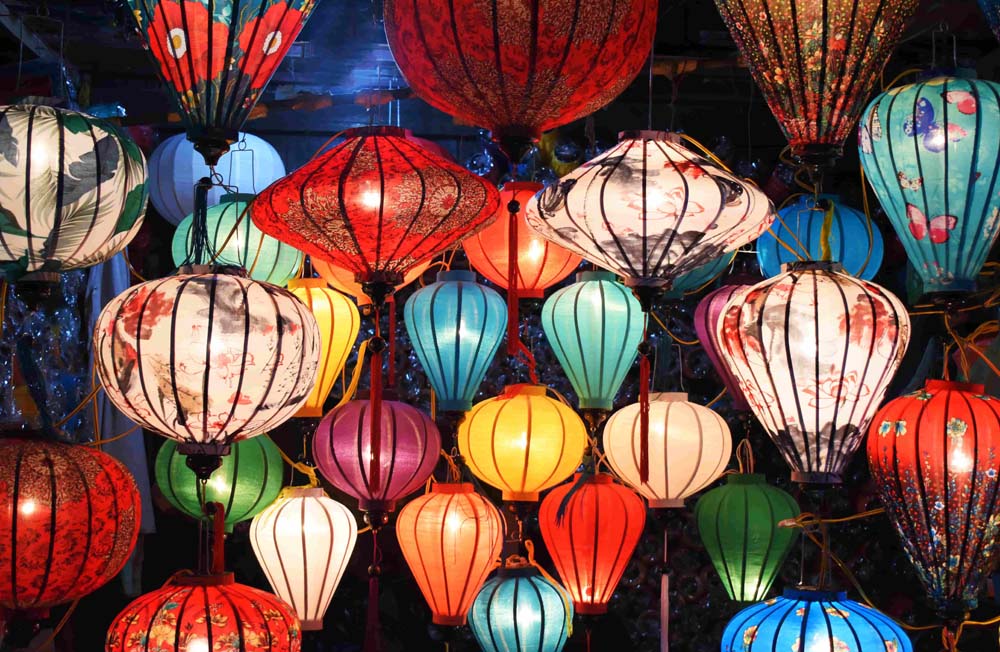
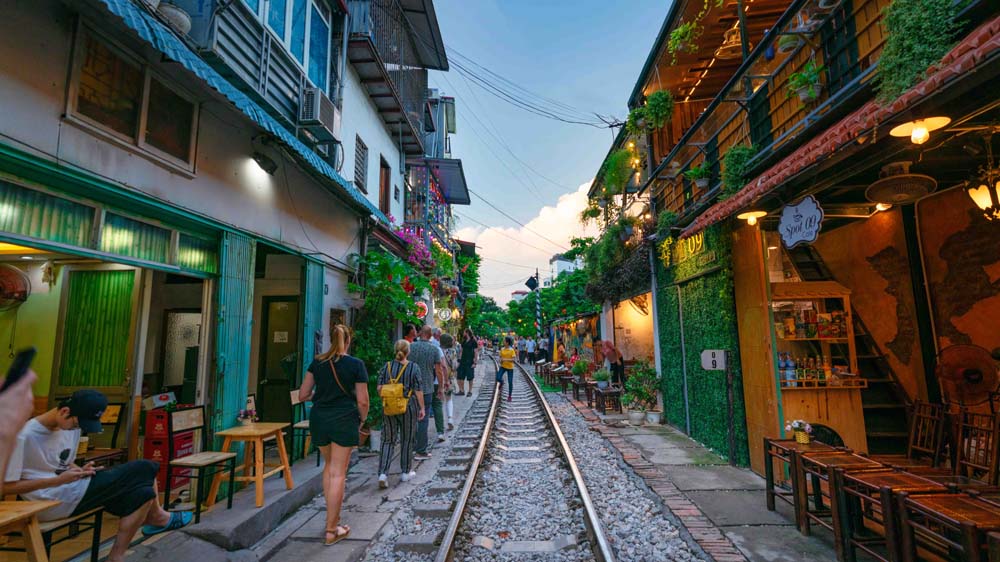


Hanoi blends lakeside calm, old-quarter energy, and layers of history beneath the steady pulse of a modern capital. It’s often one of the most rewarding land stays in Vietnam because it balances atmosphere with genuine sightseeing depth—temples, courtyards, and street life that feels lived-in rather than staged.
For trip planning, Hanoi is especially appealing when you want sacred spaces and historic architecture, plus time to experience the city at walking pace. With so many tourist destinations in Hanoi, there's plenty to explore at your own pace.
Why Visit Hanoi
The most enjoable visits to Hanoi are built around the city's contrasts.
- Pair a spiritual site with a scenic lakeside walk
- Balance a major landmark with a quieter neighborhood loop
- Follow a structured morning visit with relaxed free time for food and wandering
For Century guests, that mix tends to feel more memorable and less mechanical—curated, but never hurried.
Top Things to Do in Hanoi
Tran Quoc Pagoda
Set on the water near West Lake, Tran Quoc Pagoda is one of Hanoi’s most photogenic spiritual stops—peaceful, compact, and easy to enjoy without a big time commitment. The visit is most rewarding when you arrive unhurried, letting the lakeside setting and quiet rhythm shape the experience. It pairs naturally with a gentle walk or café pause nearby.
Temple of Literature
History feels concentrated at the Temple of Literature, where courtyards, gates, and calm design create a distinctly reflective atmosphere. Often described as Vietnam’s first university, it adds cultural context beyond “temple sightseeing,” helping you understand how scholarship and tradition shaped the city. It’s a strong stop when you want a heritage highlight that still feels serene.
Ho Chi Minh's Mausoleum
Ceremony and symbolism define Ho Chi Minh’s Mausoleum, a landmark that offers a direct window into modern Vietnamese identity and civic memory. The setting is formal and structured, which can be a useful contrast to Hanoi’s more organic street life. It’s best visited with a clear plan and a lighter schedule afterward, allowing the experience to land rather than being immediately rushed into the next stop.
How Hanoi Fits into a Broader Itinerary
When building time in Hanoi, it helps to decide early whether the day is about scenery, heritage, or city atmosphere.
Once you choose the main theme, the rest of the planning gets easier and the stop tends to feel much more coherent—especially in a city where the best moments often happen between the landmarks.
Where to Slow Down
Even in a destination with famous sights, the quality of the visit often depends on where you let the pace soften. In Hanoi, that usually means:
- Making space for a long meal,
- A slow Old Quarter wander,
- A lakeside pause that complements the day’s main attraction instead of competing with it.
That slower layer is often what makes the stop feel complete rather than merely efficient.
What to Prioritize First
If time is limited in Hanoi, carefully plan you day by choosing a main attraction that aligns with your interests.
Once that anchor is in place, add one nearby supporting experience that changes the rhythm—such as a walkable district, a museum-style stop, or a scenic break by the lake.
That’s usually enough to make the day feel full without turning it into a rush.
Travel Planning Notes
Most travelers get more from Hanoi when they keep their schedult flexible.
- Gives time for unexpected weather or slower transfers and traffic
- Allows extra time at a key site
- Leaves room to stay longer when something feels especially worthwhile
In practice, flexibility is often the difference between a trip that feels rushed and one that actually feels enjoyable.
Final planning note: Hanoi almost always performs better as a selective stop than an exhaustive one—pick your main attractions, set your pace, and enjoy the city.
Frequently Asked Questions
How much time should I plan for Hanoi?
A focused one to two-day stay is enough for most travelers to cover the major highlights without rushing. If you want museums, neighborhoods, and slower meals built in, extra time helps.
What kind of experience is Hanoi best known for?
It is strongest when you treat it as more than a checklist stop. The destination usually delivers best when you pair one major attraction with time to take in the atmosphere around it.
How should I fit Hanoi into a larger trip?
Use it as a clear anchor, not a filler stop. Build one strong day around the headline sights, then connect it to the next destination with a lighter transfer or travel day.