

Kyoto is one of Japan’s most rewarding cultural stops—temples and shrines, traditional districts, and a measured pace that invites you to look closer. It’s the ideal choice when you want your Japan itinerary to feel rooted in heritage rather than defined only by modern city life.
For trip planning, Kyoto is especially appealing for well-known signature sights, but it’s also a destination where smaller details—laneways, gardens, and food culture—often become the lasting memories. With so many tourist destinations in Kyoko to choose from, the best visits stay focused and let the atmosphere do some of the work.
Why Visit Kyoto
The strongest visits to Kyoto are built around contrast.
- Pair architecture with scenery
- Combine a major historic site with a quieter walk
- Balance a structured tour with free time afterward
For Century guests, that kind of mix tends to make the destination feel more memorable and less mechanical.
Top Things to Do in Kyoto
Fushimi Inari Taisha
Thousands of vermilion torii gates create one of Kyoto’s most iconic experiences at Fushimi Inari Taisha. The setting is immersive rather than “one-and-done,” with paths that climb into the hills and reveal quieter sections as you go. It’s best paired with one nearby supporting stop, keeping the day cohesive instead of scattered across the city.
Kiyomizu-dera
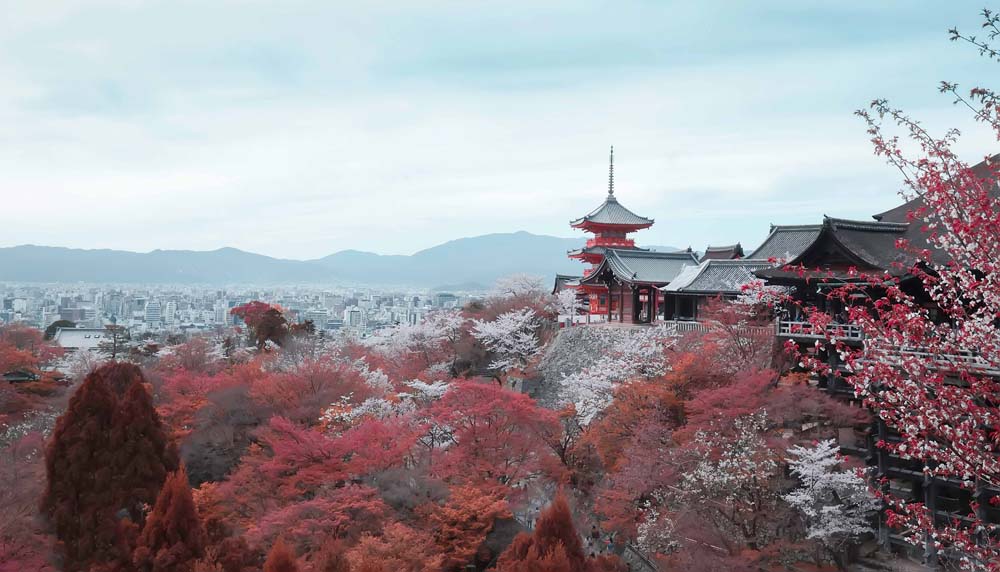
Perched above the city on a hillside, Kiyomizu-dera delivers the classic Kyoto combination of architecture, views, and atmosphere. The approach streets and changing perspectives are part of the experience, so it rewards a bit of unhurried time rather than a quick photo-and-go. Plan breathing room here and the visit often becomes a true highlight.
Nishiki Market
Food, color, and local energy come together at Nishiki Market, Kyoto’s most enjoyable place to “taste” the city. It’s ideal for grazing, browsing, and picking up small treats between heritage stops—less formal, more everyday. Give yourself time to wander slowly, and it becomes an easy, memorable counterpoint to temple sightseeing.
How Kyoto Fits into a Broader Itinerary
When building time in Kyoto, it helps to decide early whether the day is primarily about scenery, heritage, or city atmosphere. Once you choose the main theme, planning becomes easier and the visit feels more coherent. It also helps to decide whether Kyoto should carry the day with one headline attraction or unfold as a broader mix of atmosphere and supporting sights—clarifying that role usually makes the experience more satisfying in practice.
What to Prioritize First
If time can be short when you're traveling, so it's important to make the most of it in Kyoko.
- Start with the experience that best expresses the destination
- Often a signature shrine or a landmark with strong views
- Avoid choosing based only on convenience
Once that anchor is set, add one nearby supporting stop that changes the rhythm, such as a market stroll, a garden, or a walkable district.
That’s usually enough to make the day feel full without turning it into a rush.
Where to Slow Down
Even in a destination packed with famous landmarks, the quality of the day often depends on where you let the pace soften. In Kyoto, that might mean:
- A longer meal
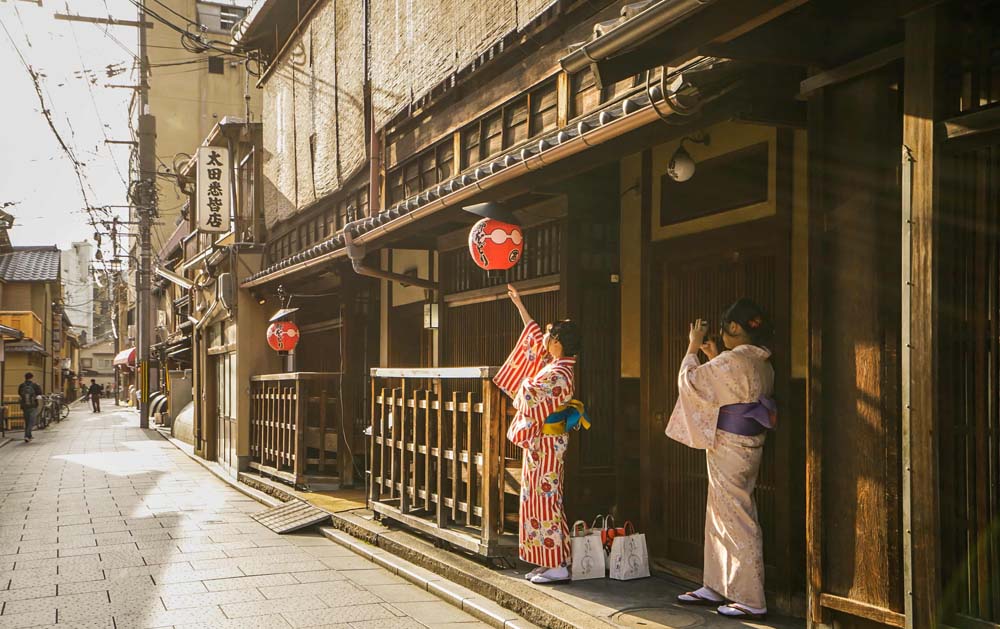
- A slow walk through a traditional neighborhood
- Time to sit in a garden rather than stacking “just one more” major sight
Those quieter moments are often what make Kyoto feel complete rather than merely efficient.
Travel Planning Notes
Most travelers get more from Kyoto when they keep one part of the day flexible.
- Helps with weather or slower transfers
- Allows extra time at a major site
- Gives room when one area deserves longer than expected
In practice, flexibility is often the difference between an itinerary that looks efficient on paper and one that actually feels enjoyable.
Final planning note: Kyoto almost always performs better as a selective stop than an exhaustive one—choose the sites you like best, set your pace, and let the city speak to you.
Frequently Asked Questions
How much time should I plan for Kyoto?
A focused one to two day stay is enough for most travelers to cover the major highlights without rushing. If you want museums, neighborhoods, and slower meals built in, extra time helps.
What kind of experience is Kyoto best known for?
It is strongest when you treat it as more than a checklist stop. The destination usually delivers best when you pair one major attraction with time to take in the atmosphere around it.
How should I fit Kyoto into a larger trip?
Use it as a clear anchor, not a filler stop. Build one strong day around the headline sights, then connect it to the next destination with a lighter transfer or travel day.