MtWulingGreatRiftValley2
previous arrow
next arrow

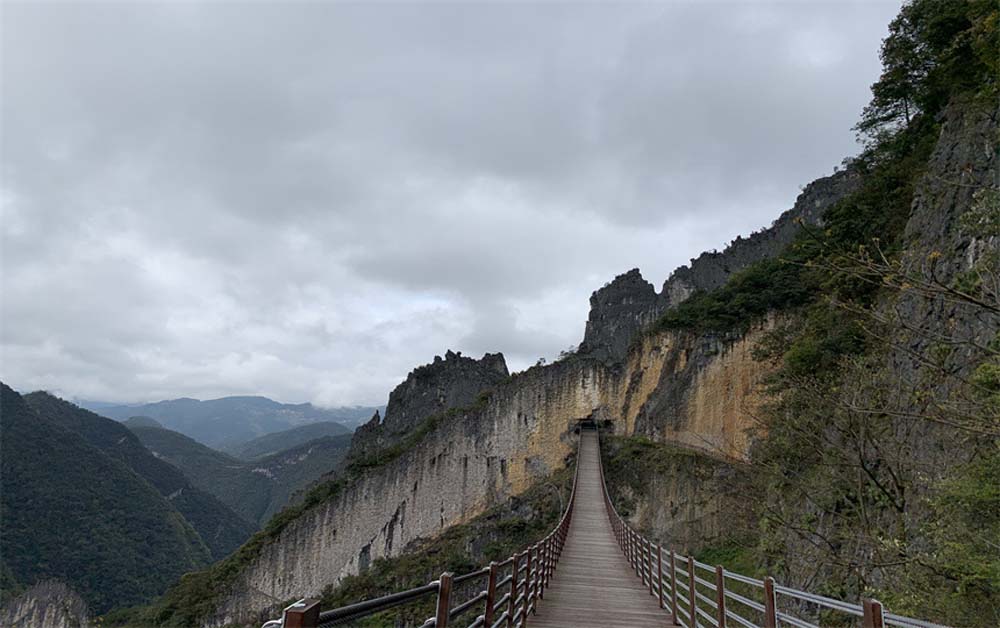
The Mt. Wuling Great Rift Valley is a dramatic natural landscape located in the Wuling Mountain range near Chongqing, China. Shaped by tectonic movement and long-term water erosion, the valley is defined by deep rifts, narrow fissures, underground rivers, and steep forested cliffs that stretch across a high-altitude mountain region.

Recognized as a national AAAA scenic area, the Wuling Great Rift Valley offers visitors a rare opportunity to explore one of China’s most distinctive rift valley environments, combining geological depth with rich natural ecosystems.

About the Mt. Wuling Great Rift Valley

Covering a vast mountainous area with elevations averaging around 1,200 meters and peaks reaching nearly 2,000 meters, the Mt. Wuling Great Rift Valley is primarily composed of fractured rock formations, eroded valleys, and subterranean waterways. Over millions of years, surface water and underground rivers have carved the landscape into the dramatic terrain visible today.

The valley’s geological structure makes it an important natural landmark within southwest China and a key example of rift valley formation in the region.

Where Is the Wuling Great Rift Valley Located

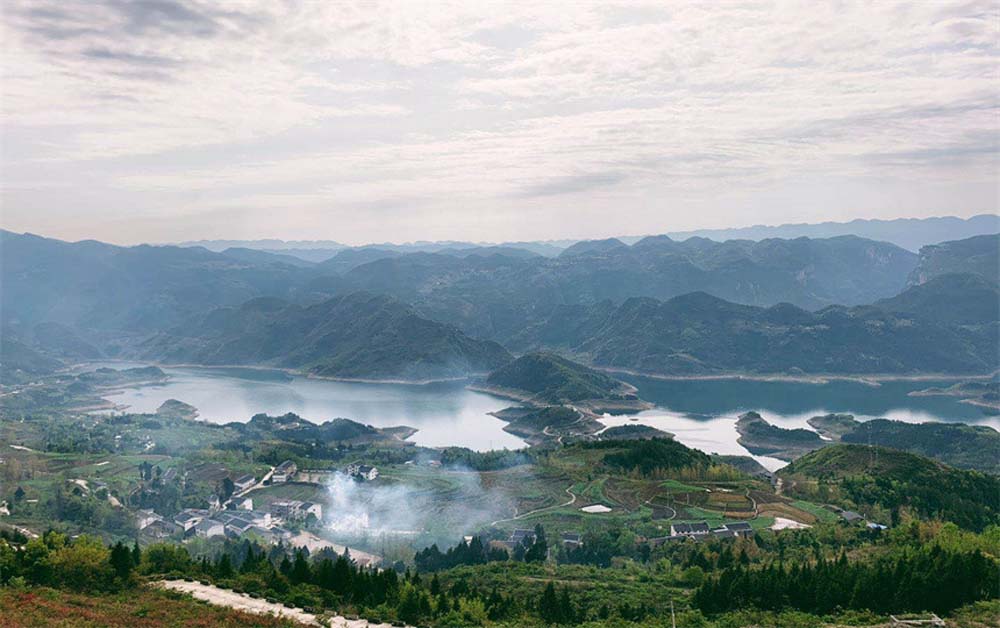
The Wuling Great Rift Valley is situated within Chongqing Municipality, along the lower reaches of the Wujiang River. The Wujiang is one of the most scenic tributaries of the Yangtze River and plays a significant role in shaping the surrounding mountains and valleys.

This location places Mt. Wuling within easy reach of Chongqing, making it a natural extension of regional travel routes through southwest China.

Why the Wuling Great Rift Valley Is Unique

Often referred to locally as “The Most Dynamic Valley of China,” the Wuling Great Rift Valley stands out for both its geological scale and its environmental quality. Forests cover more than 90 percent of the area, creating a landscape where steep rock formations coexist with dense vegetation, clear air, and abundant freshwater sources.

The combination of elevation, preserved ecosystems, and complex rift structures gives the valley a distinct character compared to other natural attractions in China.

Natural Landscape and Ecology of the Rift Valley

Rift Formations, Cliffs, and Underground Rivers

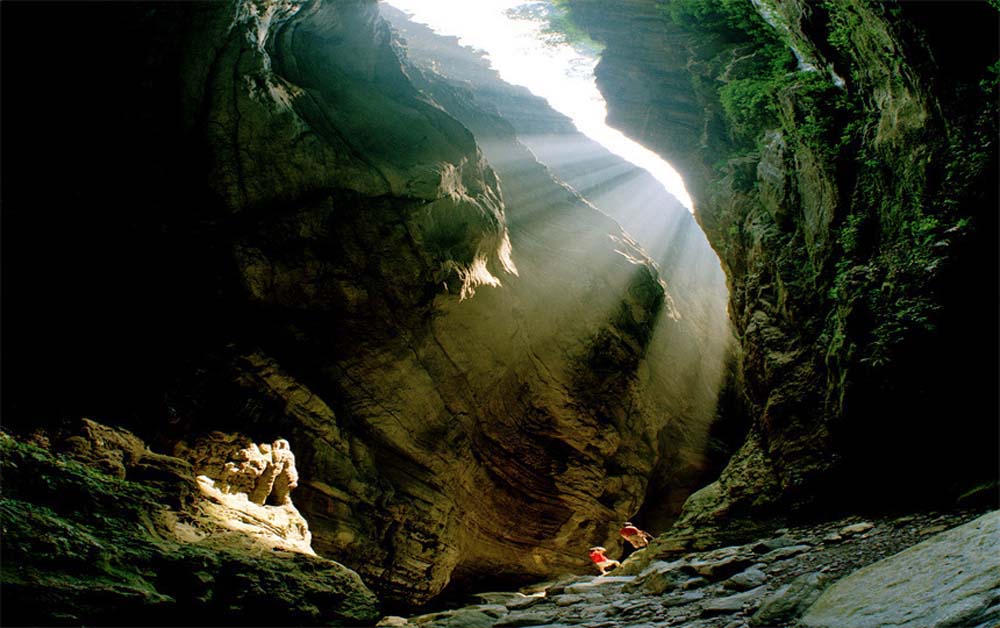
The defining features of the Mt. Wuling Great Rift Valley include deep rock fissures, vertical cliffs, and a network of underground rivers that flow beneath the surface. These hidden waterways periodically emerge as springs and streams, continuing to shape the valley through erosion and sediment movement.

Together, these formations reveal the geological processes that have shaped the region over millions of years.

Forest Coverage and Biodiversity

The valley’s high forest coverage supports a diverse range of plant and animal species, contributing to a well-preserved mountain ecosystem. Variations in altitude and terrain create multiple microclimates, allowing different species to thrive across the landscape.

This ecological diversity adds another dimension to a Wuling Great Rift Valley vacation, appealing to travelers interested in nature and environmental preservation.

Mt. Wuling Great Rift Valley and the Wujiang River

The Wujiang River flows near the eastern edge of the Wuling Mountain range and is closely linked to the development of the rift valley landscape. Known for its calm waters and steep canyon walls, the Wujiang is considered one of the most scenic river systems in southern China.

Travelers exploring the region often encounter the Mt. Wuling Great Rift Valley as part of broader Wujiang River and Yangtze River travel routes, connecting mountain scenery with river-based exploration.

Visiting the Wuling Great Rift Valley

Best Time to Visit

Spring and autumn offer the most comfortable conditions for visiting the Mt. Wuling Great Rift Valley, with mild temperatures and clear visibility. Summer brings lush greenery and flowing water features, while higher elevations help moderate the heat.

What to Expect When Visiting

Visitors can expect a landscape defined by elevation changes, forested trails, and dramatic viewpoints overlooking rift formations and valleys. The area is well suited for scenic exploration and nature-focused travel rather than fast-paced sightseeing.

FAQs About the Mt. Wuling Great Rift Valley