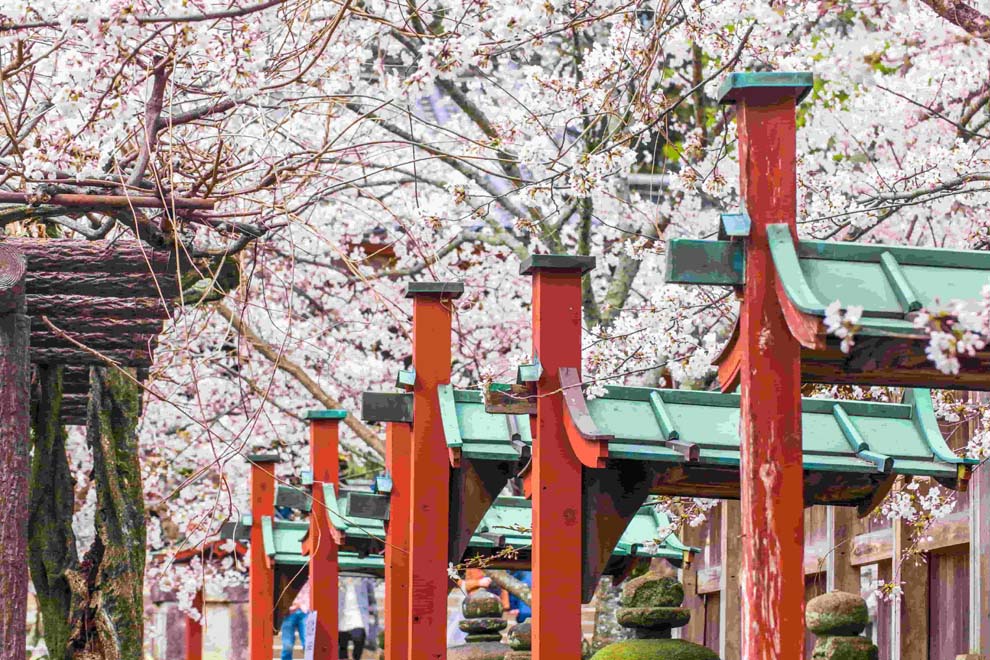



Nara blends temple heritage, peaceful parkland, and a compact layout that’s easy to enjoy in a focused visit. It’s an ideal lighter cultural day within a broader Japan route—less city intensity, more atmosphere and walking-friendly sights.
On the ground, Nara is strongest for travelers who want well-known signature landmarks, scenic outdoor pauses, and sacred historic architecture that feels both monumental and calming. It’s also a natural place to explore tourist destinations in Nara without complicated logistics or long transfers.
Why Visit Nara
Nara works well because it naturally offers more than one rhythm in the same stop. You can anchor the day with a major temple, then slow down with a park stroll, a quieter shrine path, or a relaxed meal nearby. That balance matters on a Century itinerary, where the best land time feels curated and comfortable rather than overloaded.
Top Things to Do in Nara
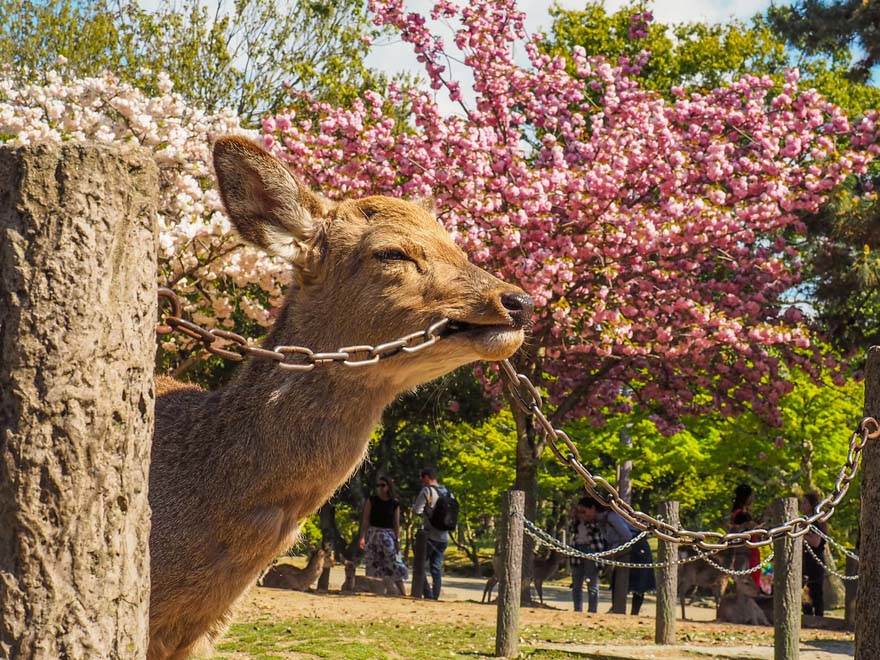
Nara Park
Wide lawns, shaded paths, and a gentle, open-air pace make Nara Park the destination’s easiest “reset.” It’s perfect for walking between major sights without feeling like you’re constantly in transit, and it adds breathing room to a temple-focused day. Even a simple stroll here can improve the overall rhythm of the visit.
Todai-ji Temple
Stepping into Tōdai-ji immediately changes the tone—soaring scale, spiritual weight, and an architectural presence that makes Nara feel historically consequential. The experience is more than the building itself; it’s the hush, the setting, and the sense of time that comes with it. Treated as a centerpiece rather than a quick stop, it often becomes the day’s most memorable moment.
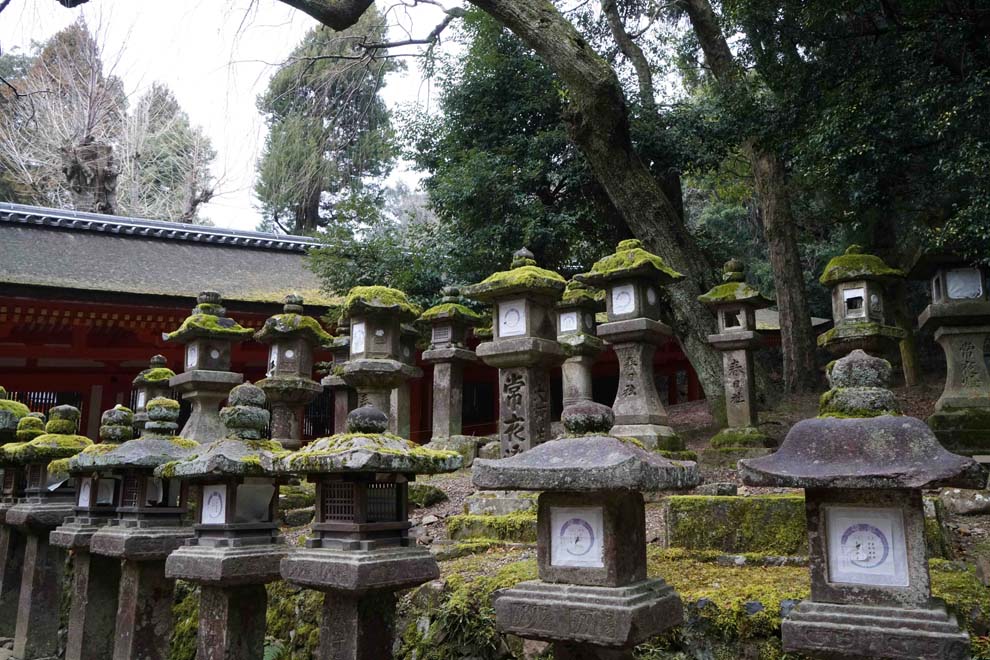
Kasugataisha Shrine
Set along a more wooded, atmospheric approach, Kasugataisha Shrine offers one of Nara’s most distinctive signature experiences. The appeal is in the details and the mood, which is why it’s best enjoyed with space in the schedule—time to walk slowly, notice the setting, and let the visit unfold. It pairs beautifully with Nara Park as a calm, cohesive loop.
How Nara Fits into a Broader Itinerary
For most travelers, Nara is best handled with a simple structure:
- One headline stop in the morning,
- A second lighter activity later in the day,
- And room for meals or wandering in between.
That pacing keeps the experience comfortable, especially when Nara is only one part of a longer itinerary.
Where to Slow Down
Even in a destination with famous landmarks, the quality of the visit often depends on where you let the pace soften.
- A long lunch
- Extra time in the park
- A quieter walk between temple and shrine rather than stacking additional stops
Those slower moments are often what make the day feel complete rather than merely efficient.
Travel Planning Notes
Most travelers get more from Nara when they keep one part of the day flexible.
- Helps with weather or a slower walking pace
- Allows extra time at a key temple
- Gives the option to linger when the atmosphere is especially compelling
In practice, flexibility is often the difference between a trip that feels efficient and one that actually feels enjoyable.
Final planning note: Nara almost always performs better as a selective stop than an exhaustive one—prioritize what speaks to you, set your pace, and see the sights.
Frequently Asked Questions
How much time should I plan for Nara?
A focused one to two-day stay is enough for most travelers to cover the major highlights without rushing. If you want museums, neighborhoods, and slower meals built in, extra time helps.
What kind of experience is Nara best known for?
It is strongest when you treat it as more than a checklist stop. The destination usually delivers best when you pair one major attraction with time to take in the atmosphere around it.
How should I fit Nara into a larger trip?
Use it as a clear anchor, not a filler stop. Build one strong day around the headline sights, then connect it to the next destination with a lighter transfer or travel day.