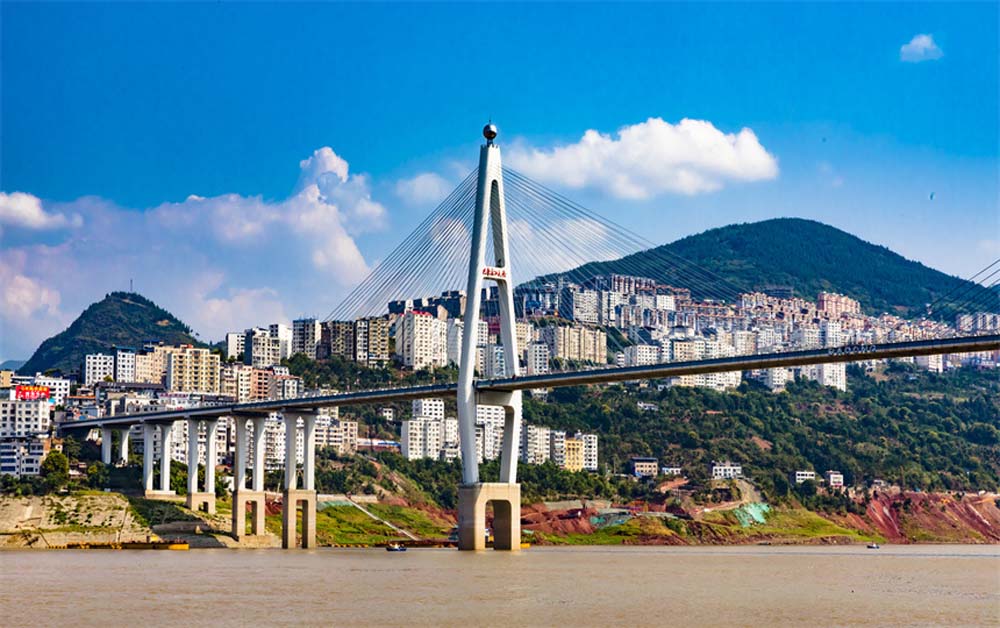
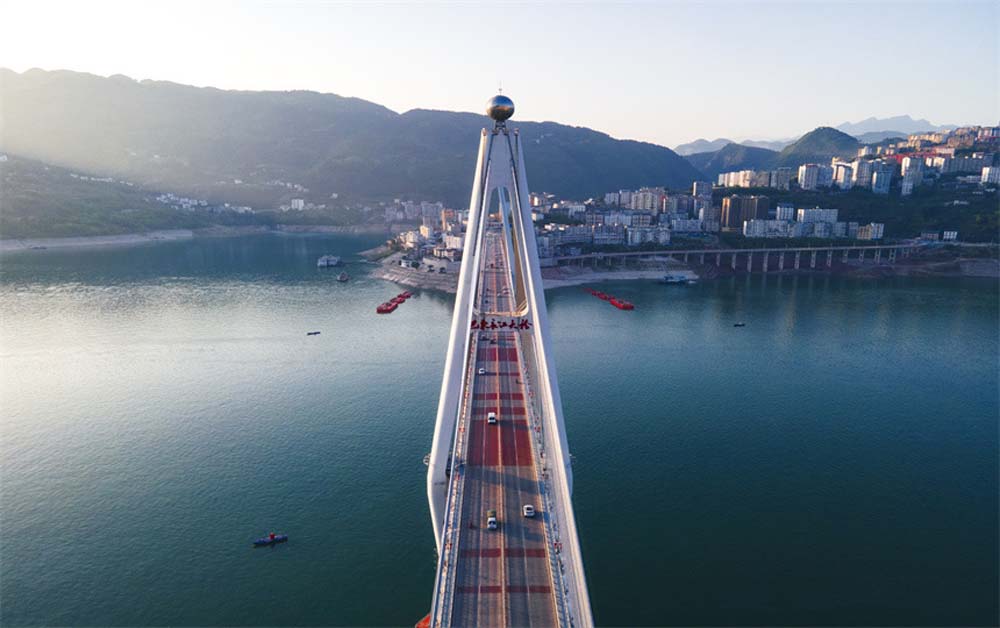
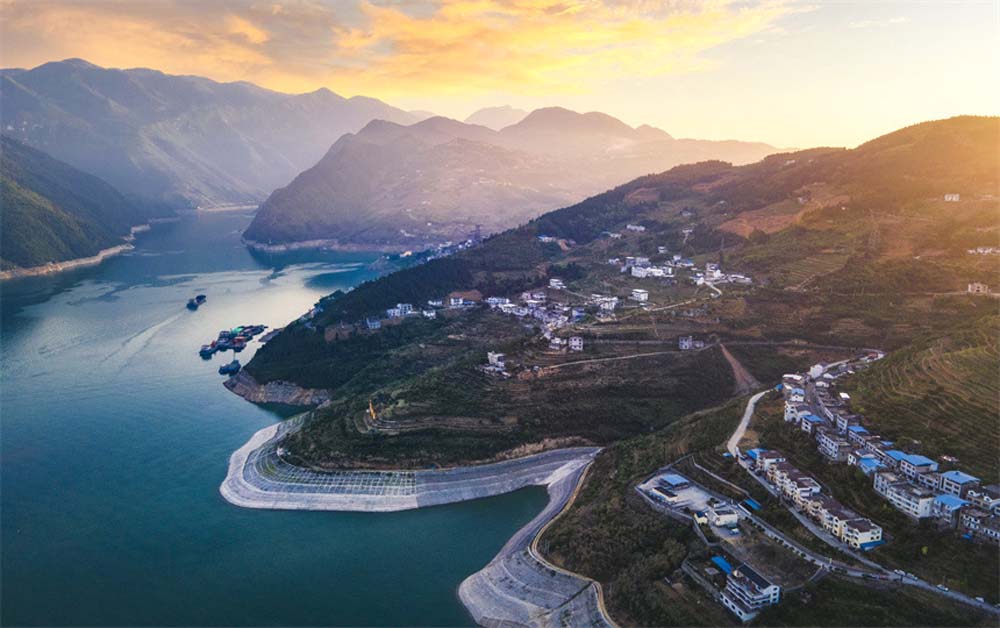
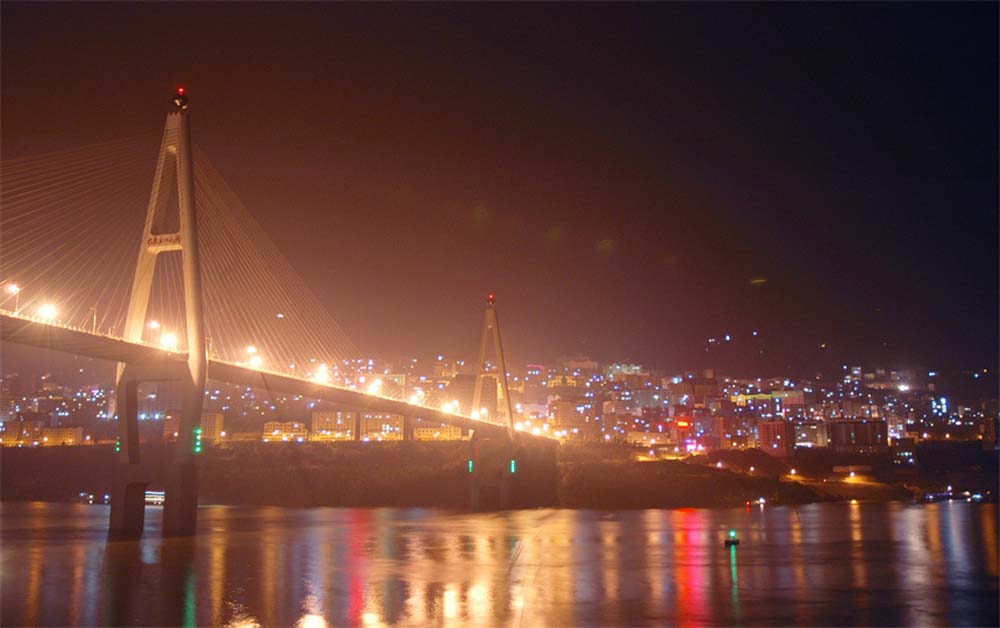


Situated in China, Hubei brings together Yangtze River scenery, landmark engineering, historic cities, and museums with real depth—making it a natural “connector” on Century itineraries. It’s especially useful when you want to link major Three Gorges experiences with meaningful cultural stops on land. In practical terms, Hubei is most appealing for travelers seeking river landscapes and big natural settings, well-known signature sights, and museum context that makes the region feel understood rather than simply visited. When fitting Hubei into a wider route, it helps to decide whether this stop should carry the day with one headline attraction or offer a broader mix of atmosphere and supporting sights. Once that role is clear, planning becomes easier—and the destination usually feels far more satisfying.
Why Visit Hubei
Featuring stunning scenery, cultural heritage, and historical sites, there are plenty of tourist destinations in Hubei. The strongest Hubei visits are built around contrast: pair a major landmark with a quieter walk, balance architecture with scenery, or follow a guided highlight with time to wander and absorb the setting.
For Century guests, that mix tends to make the day feel memorable rather than mechanical. Hubei rewards an itinerary with one clear priority and enough flexibility left to actually enjoy it.
Top Things to Do in Hubei
East Lake
Spreading out along Wuhan’s edge, East Lake is where Hubei’s scenery takes the lead—wide water, long shore paths, and a sense of space that instantly eases the pace. It’s ideal when you want the landscape to define the experience rather than heavy interpretation. Even a simple visit can feel high value, especially as a visual reset in a city-heavy itinerary.
Ge Zhou Dam
Few places make the Yangtze’s modern story feel as tangible as Ge Zhou Dam. The setting and scale help you understand how navigation, power, and river life have been engineered and reshaped over time. It’s usually strongest when paired with one nearby supporting stop rather than scattered additions. Treated as the day’s defining highlight, it keeps the schedule lighter and more coherent.
Hubei Provincial Museum
For travelers who want cultural depth, the Hubei Provincial Museum is the stop that adds it—objects, stories, and a clearer timeline that ties the region together. It’s especially valuable as a break from outdoor sightseeing without losing the sense of place. When time is tight and landmarks are big, this museum provides the interpretation and context that makes the rest of Hubei feel less surface-level.
Jingzhou Museum
Jingzhou Museum is a smart choice when you want your sightseeing to come with context, not just scenery. The collections help explain what shaped this part of the Yangtze corridor, turning “places you’ve seen” into a story you can follow. It’s particularly useful on itineraries with multiple famous stops, where a museum visit can connect the dots and make the day feel more cohesive.
King Chu Mausoleum Scenic Spot
A slower, more reflective experience, the King Chu Mausoleum Scenic Spot rewards travelers who don’t rush. The meaning of the site—its setting, symbolism, and sense of ritual—often lands as strongly as the visuals themselves. That change in rhythm is part of what makes it memorable. In a tightly packed itinerary, this stop can add a welcome, contemplative tone.
Shennong Stream
Shennong Stream is a scenery-first experience, designed for observation rather than a packed schedule. The appeal is the scale—steep banks, shifting light, and the feeling of moving through a quieter side of the river corridor. It’s best for travelers who want nature to do the talking and who enjoy letting the landscape set the pace. Even a relatively simple outing can feel exceptional here. This kind of scenery usually lands best when travelers allow the experience to be observational rather than overly scheduled.
The City Wall
Walking the City Wall gives Hubei’s history physical shape—structure you can follow, views you can earn, and a clearer sense of how the city functioned over time. It often becomes more interesting once you’re on it, because movement and perspective are part of the experience. Many visitors find it deserves more time than expected, making it more rewarding than a standard monument stop.
Three Gorges Dam
The Three Gorges Dam is more than a superlative—it changes how you understand the Yangtze itself, from engineering and energy to navigation and the transformation of the river corridor. It’s a strong choice when you want a landmark with modern weight as well as historical significance. On a short visit, it can serve as the day’s center of gravity, with a lighter schedule around it.
Tribe of the Three Gorges
Tribe of the Three Gorges adds human texture to the region’s big scenery, helping connect landscapes to local traditions and community life. It works best as a complementary stop—something that grounds the journey rather than competes with the headline sights. Like many river experiences, it lands best when you keep the pacing observational and leave room to take it in.
Yellow Crane Tower
Rising above Wuhan, Yellow Crane Tower is the kind of landmark that immediately orients you—iconic, elevated, and tied to the city’s cultural identity. It’s especially effective early in a visit, when the views help set the geography and mood for what comes next. As a defining highlight, it often outperforms a longer list of smaller stops and keeps the day feeling focused.
How Hubei Fits into a Broader Itinerary
When building time in Hubei, decide early whether the day is primarily about scenery, heritage, or city atmosphere.
Once you choose the main theme, the rest of the planning becomes easier and the visit feels more coherent on the ground.
As part of a wider route, Hubei works best when it plays a clear role—either a headline landmark day or a balanced mix of supporting sights that deepen the Yangtze story.
How to Approach the Region
A region as wide-ranging as Hubei benefits from a theme-first approach.
- Pick the angle that matters most: river scenery, modern engineering, museums, spiritual heritage, or historic cities
- then let the rest of the stops support that goal.
Hubei is typically more rewarding when it feels curated and intentional rather than exhaustive.
Travel Planning Notes
Most travelers get more from Hubei when they keep one part of the day flexible. That buffer helps with weather, slower transfers, extra time at a major attraction, or simply the chance to linger somewhere that turns out to be more compelling than expected.
In practice, flexibility is often the difference between a trip that feels merely efficient and one that feels genuinely enjoyable.
Final planning note: Hubei almost always performs better as a selective stop than an exhaustive one, allowing you to move at a relaxing pace.
Frequently Asked Questions
How should I approach a wider region like Hubei?
Start by deciding whether you care more about scenery, heritage sites, or a city base. Once that is clear, it is easier to choose the highlights that belong together.
Is Hubei better for a fast overview or a slower visit?
It usually rewards a slower, more selective approach. The region makes a stronger impression when you focus on a few meaningful stops instead of trying to cover everything.
What pairs well with Hubei on a Century itinerary?
A major city or river segment often pairs well, because it gives the broader trip more contrast in pace and setting.