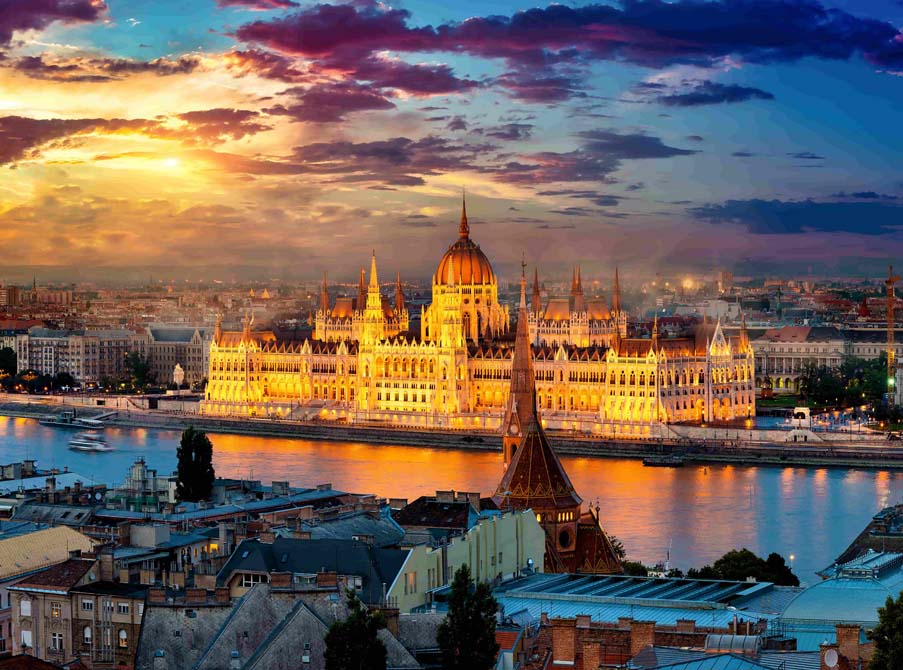
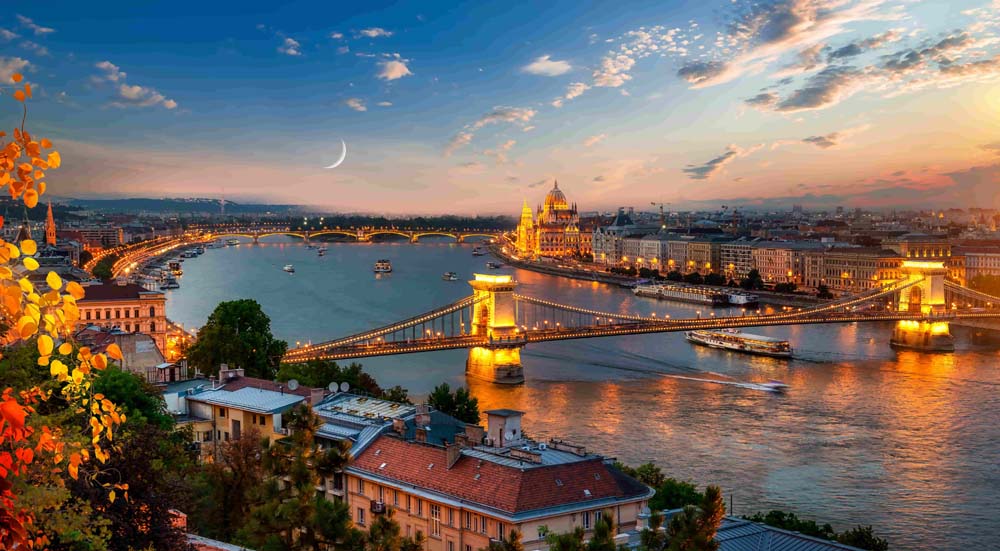


Budapest is Hungary at its most cinematic—river views, monumental architecture, and a skyline that rises dramatically on both sides of the Danube. It’s one of the clearest high-impact city stops on many Central Europe itineraries, delivering “big capital” presence without feeling impossible to navigate.
Budapest rewards travelers looking for:
- Well-known signature sights,
- Old-world viewpoints from the Buda hills,
- Sacred historic architecture woven into lively city streets.
It’s also easy to experience many tourist destinations in Budapest in compact, walkable clusters once you choose a clear anchor for the day.
When fitting Budapest into a wider route, it helps to decide whether this stop should revolve around one headline attraction or a broader mix of atmosphere and supporting sights. Once that role is clear, planning becomes much easier—and the visit tends to feel far more satisfying.
Why Visit Budapest
Budapest is worth the time for more than its landmark count. The city excels at connecting major sights to a grounded sense of place:
- Thermal-bath culture,
- Café stops,
- Local food,
- Riverfront walking routes that keep the Danube in view.
When you build the day around one major highlight and leave room for lingering, Budapest feels immersive rather than like a rushed checklist.
Top Things to Do in Budapest
Buda Castle
Perched above the river, Buda Castle is the stop that gives Budapest its “map in your mind.” The setting delivers sweeping views, while the castle district’s courtyards and historic streets provide context for how the city developed across the Danube. Give it real time—this is a place to wander, not just photograph—and it often becomes the anchor that organizes the rest of the visit.
Fisherman's Bastion
Fairytale stonework and postcard panoramas make Fisherman’s Bastion one of Budapest’s most memorable viewpoints. It’s strongest when paired with one nearby stop in the same hilltop area (rather than bouncing across the city), keeping the experience cohesive and unhurried. Arrive earlier or later in the day if you can—the atmosphere improves dramatically when the terraces feel less crowded.
Heroes' Square
Grand, open, and ceremonial, Heroes’ Square delivers Budapest’s monumental side in a single sweep. It’s a strong choice when you want a clear sense of national symbolism and architectural scale without a long, complicated visit. On shorter itineraries, this square can serve as a clean focal point—especially when you combine it with a nearby park stroll or museum option rather than adding scattered extras.
Central Market Hall
Central Market Hall is where Budapest becomes delicious and everyday—paprika stalls, pastries, local specialties, and the hum of a working market. It’s best enjoyed with a little unstructured time to browse and taste, turning it from a quick stop into a real city moment. If you’re trying to prioritize efficiently, this is one of the easiest ways to capture Budapest’s character in a single visit.
St. Stephen's Basilica
Step inside St. Stephen’s Basilica and the city’s pace softens: soaring interior space, rich detail, and a sense of quiet that contrasts beautifully with the streets outside. The visit rewards a slower approach—time to look up, take in the atmosphere, and appreciate the basilica as more than just another landmark. It often adds a reflective note to the day, which can be especially welcome on a tightly packed itinerary.
How Budapest Fits into a Broader Itinerary
When planning your visit to Budapest, group experiences together rather than zig-zagging from one side of the city to the other.
- Decide which attraction matters most to you,
- Add one supporting stop or neighborhood close by,
- Keep part of the day flexible.
That approach usually fits Century-style travel better than trying to force a full city sweep into limited time.
It also helps to decide whether Budapest is meant to carry the day with one headline attraction or unfold as a broader mix of atmosphere and supporting sights—once that’s clear, the visit tends to feel much more coherent.
What to Prioritize First
When you have limited time in Budapest, start with the experience that defines the city for you, such as a Buda-side viewpoint or a defining central landmark.
Once that anchor is set, add one nearby supporting experience that changes the rhythm, such as a market stop, a short walk, or a quieter church visit. That’s usually enough to make the day feel full without turning it into a rush.
Travel Planning Notes
Most travelers get more from Budapest when they keep one part of the day flexible.
- Gives time for unexpected weather at viewpoints
- Helps with traffic or slower transfers
- Allows extra time to linger at a major attraction
In practice, flexibility is often the difference between a trip that looks good on paper and one that actually feels enjoyable.
Frequently Asked Questions
How much time should I plan for Budapest?
A focused one to two-day stay is enough for most travelers to cover the major highlights without rushing. If you want museums, neighborhoods, and slower meals built in, extra time helps.
What kind of experience is Budapest best known for?
It is strongest when you treat it as more than a checklist stop. The destination usually delivers best when you pair one major attraction with time to take in the atmosphere around it.
How should I fit Budapest into a larger trip?
Use it as a clear anchor, not a filler stop. Build one strong day around the headline sights, then connect it to the next destination with a lighter transfer or travel day.