

Jiangsu is one of China’s most rewarding regions for travelers who enjoy beauty with structure: classical gardens, historic canal cities, waterfront scenery, and refined cultural sites that feel curated rather than chaotic. Tourist destinations in Jiangsu give you a lot to choose from. You can mix city history with garden design and slower scenic pauses.
Jiangsu offers well-known signature sights, calmer walks through designed landscapes, and river scenery that adds space and contrast. When fitting Jiangsu into a wider route, it helps to decide whether this stop should carry the day through one headline attraction or unfold as a broader blend of atmosphere and supporting sights. Once that role is clear, planning becomes easier—and the destination tends to feel far more satisfying.
Why Visit Jiangsu
Jiangsu naturally offers more than one pace in the same stop. You can anchor the day with a major landmark or historic city, then soften the rhythm with gardens, waterfront promenades, and museum time, all in the same vicinity. That balance matters on a Century itinerary, where the best land days feel focused rather than overloaded. In other words, Jiangsu rewards selection and pacing more than raw attraction count.
Top Things to Do in Jiangsu
Dr. Sun Yat-sen Mausoleum
A ceremonial climb through broad steps and formal avenues leads to Dr. Sun Yat-sen Mausoleum, a site that can quietly shift the tone of the day. The architecture and setting carry a sense of dignity, and the experience is as much about atmosphere as structure. It’s strongest when paired with a slower walk or nearby neighborhood stop rather than stacked immediately beside another major landmark. That change in rhythm is often why sites like this stay with travelers longer than expected, adding a reflective layer to a tightly packed trip.
Daming Temple
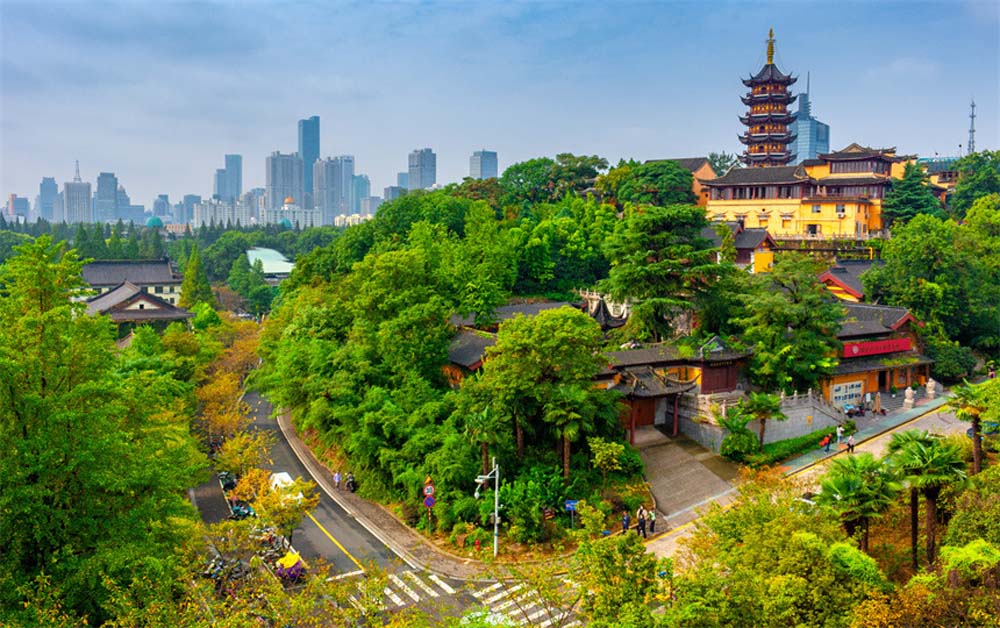
History feels concentrated at Daming Temple—an anchor that gives the destination a clear center of gravity. Its importance comes through the setting, the weight of tradition, and the way it shapes the surrounding visit, making it a strong choice when time is limited. It’s usually more satisfying when paired with one nearby supporting stop rather than a scattered list of additions. For many itineraries, this is the attraction that defines the day and allows the rest of the schedule to stay lighter.
Ge Garden
Designed beauty is the point at Ge Garden, where pathways, plantings, and carefully composed views turn a simple walk into something deliberate and restorative. It’s ideal when you want a stop that feels graceful and purposeful without being exhausting. The garden works particularly well between larger, more monumental landmarks, softening the pace while keeping the day visually rich. Because the pleasure is partly in the slow reveal, it’s best enjoyed with breathing room rather than as a rushed pass-through.
Lion Grove Garden
Winding corridors and sculptural rockeries give Lion Grove Garden its distinctive character—more playful and textured than a standard “pretty garden.” It’s a walkable stop that rewards curiosity, with changing angles and little moments of discovery that keep the visit engaging. Like the best garden experiences, it quietly improves the whole day by creating contrast against heavier architectural sites. Leave time to wander and you’ll understand why it’s remembered as much for mood as for design.
Muyan Riverside Scenic Spots
When the itinerary needs open air and a sense of scale, Muyan Riverside Scenic Spots deliver. The scenery does the heavy lifting here: water, wide views, and an easy-to-enjoy landscape that doesn’t require dense interpretation. It can serve as a visual reset that keeps a longer route from feeling too city-heavy, which is why even a simple visit often feels high value. This kind of stop lands best when the experience stays observational rather than overly scheduled.
Mt. Niushou
Mt. Niushou is the kind of place that changes the day’s proportions—more sky, more space, and a welcome break from urban tempo. It rewards travelers who slow down, take in the viewpoints, and let the landscape set the pace for a while. In a Jiangsu itinerary, it often works best as the contrast stop that makes everything else feel less dense. Keep the rest of the day lighter so the scenery doesn’t feel squeezed between logistics, and allow for weather shifts that can change the mood dramatically. Many visitors remember it for its calm scale more than for any single scripted moment.
Mei Lanfang Memorial Museum
Culture becomes personal at the Mei Lanfang Memorial Museum, where objects and stories add depth to the region’s artistic identity. It’s a strong choice when you want context behind what you’re seeing—especially on itineraries that include famous sights but limited time for interpretation. The museum provides a grounding pause indoors without losing the thread of place. For many travelers, it’s the stop that turns scattered impressions into a clearer understanding of Jiangsu’s cultural life.
Suzhou
Suzhou is one of Jiangsu’s clearest signature experiences—a refined canal-city setting that rewards unhurried walking and a more spacious itinerary. The appeal is in the atmosphere as much as any single sight: water, bridges, gardens, and historic texture that feels cohesive rather than piecemeal. It works best when you build a bit of space around it instead of treating it as a box to tick. For shorter visits, Suzhou often becomes the “center of gravity” that makes the whole day feel complete, with the rest of the schedule kept intentionally light.
Slender West Lake
Slender West Lake is a classic example of scenery carrying the experience. The setting invites slow movement—waterways, views, and a gentle rhythm that contrasts beautifully with busier city stops. It’s ideal when you want the itinerary to feel broader than monuments alone, and even a relatively simple visit can feel high value here. Like many landscape-forward experiences, it’s most rewarding when you allow time to observe rather than rush from point to point. It also works well as a visual reset when the wider trip has been dense.
Soong May-ling Palace
Soong May-ling Palace offers a window into status, taste, and ceremony, with a layout that’s designed to be experienced in sequence rather than skimmed. The scale makes a strong first impression, but the lasting value is how it frames the destination’s formal side and adds context to what you see elsewhere. If you’re choosing between multiple cultural stops, this is often one of the best places to concentrate your time. A measured visit pays off because the spaces and transitions are part of the story.
Taizhou
For travelers who want a destination day with clearer structure, Taizhou can provide that anchor. Its value often comes from how it defines the visit—giving you a main priority and allowing the rest of the schedule to stay lighter. It’s usually strongest when paired with one nearby supporting stop rather than scattered additions across a wide area. When time is short, choosing a place like this can give the itinerary a cleaner center of gravity and a more satisfying flow
The Confucius Temple (Fuzimiao)
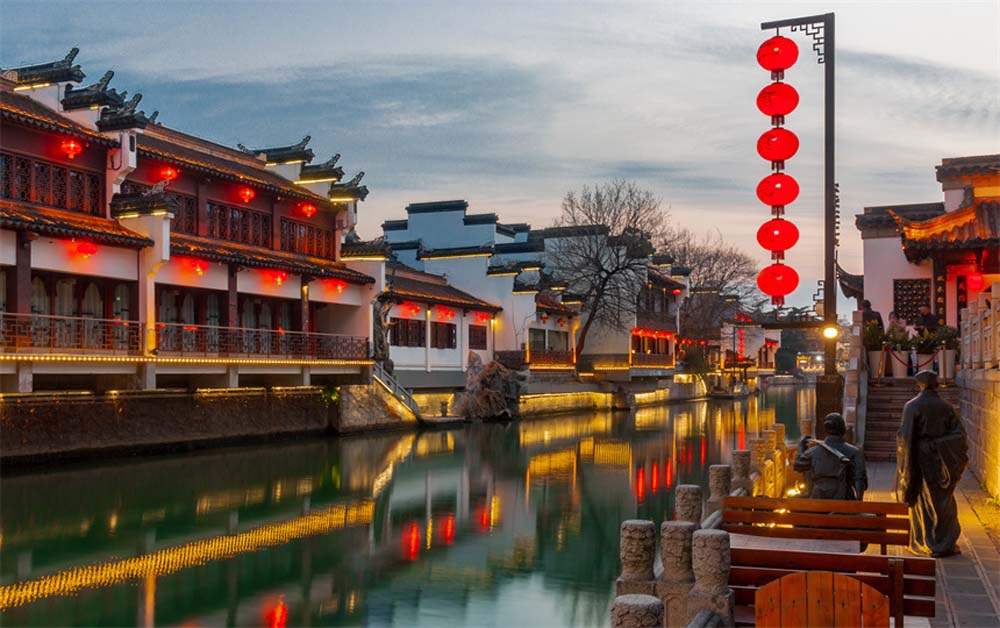
The Confucius Temple (Fuzimiao) is most rewarding when you approach it slowly, allowing the setting and symbolism to shape the experience. The rhythm here—courtyards, details, and the surrounding neighborhood energy—creates a counterpoint to faster-paced sightseeing. It’s often stronger when paired with a walk or nearby district stop rather than another packed landmark immediately afterward. This kind of visit tends to linger in memory because it changes the tone of the day, adding a reflective pause within a busy itinerary.
The Oriental Metropolitan Museum
The Oriental Metropolitan Museum is a good stop when you want more context behind the places you are seeing. It adds objects, stories, and a stronger sense of what shaped Jiangsu, which can make the broader itinerary feel more grounded. That makes it particularly useful when the itinerary includes major landmarks but limited time for interpretation elsewhere. On a trip with several famous sights, that added context can make the rest of the destination feel much less surface level. It is often the stop that turns scattered impressions into a more coherent understanding of the place.
Yangzhou
Yangzhou is a signature Jiangsu city experience—elegant, atmospheric, and best enjoyed with time to wander rather than a tight checklist. The destination works well as a day-defining stop, giving the itinerary a clear anchor and allowing the rest of the schedule to stay lighter. It’s most satisfying when paired with one nearby supporting experience instead of scattered additions. On shorter trips, Yangzhou often provides the “this is what Jiangsu feels like” moment that pulls everything into focus.
Zhangjiagang
Zhangjiagang can be a smart choice when you want a defined stop that keeps the day organized and easy to manage. Rather than trying to do too much, it often works best as the attraction that carries the day and keeps the rest of the schedule simpler. It’s stronger when paired with one nearby supporting experience instead of a scattershot list. For shorter visits especially, a destination like this can give the route a clearer center of gravity.
How Jiangsu Fits into a Broader Itinerary
Jiangsu is best handled with a simple structure:
- One headline stop in the morning,
- A second lighter activity later in the day,
- And room for meals or wandering in between.
That pacing keeps the experience comfortable, especially when Jiangsu is only one part of a longer itinerary.
When fitting Jiangsu into a wider route, it helps to decide whether this stop is meant to carry the day through one headline attraction or offer a broader mix of atmosphere and supporting sights. Once that role is clear, the planning becomes easier—and the destination usually feels more satisfying in practice.
What a Strong Day Looks Like
The most effective way to handle Jiangsu is to avoid turning it into a long-distance checklist.
- Choose one major draw,
- Add a second supporting stop nearby,
- And leave enough margin for travel time, viewpoints, or a slower meal.
That approach almost always produces a better experience than trying to cover the region all at once.
Frequently Asked Questions
How should I approach a wider region like Jiangsu?
Start by deciding whether you care more about scenery, heritage sites, or a city base. Once that is clear, it is easier to choose the highlights that belong together.
Is Jiangsu better for a fast overview or a slower visit?
It usually rewards a slower, more selective approach. The region makes a stronger impression when you focus on a few meaningful stops instead of trying to cover everything.
What pairs well with Jiangsu on a Century itinerary?
A major city or river segment often pairs well, because it gives the broader trip more contrast in pace and setting.