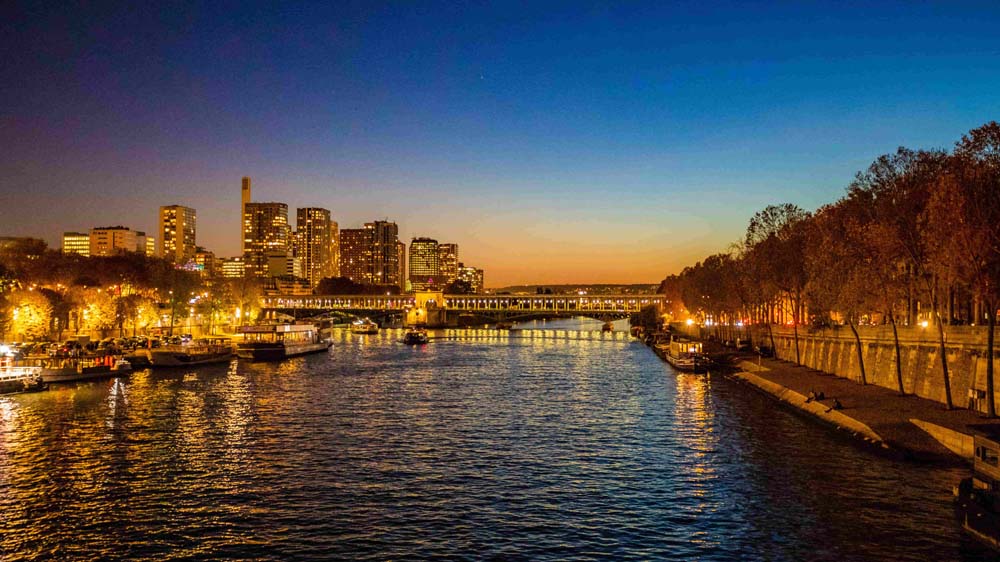
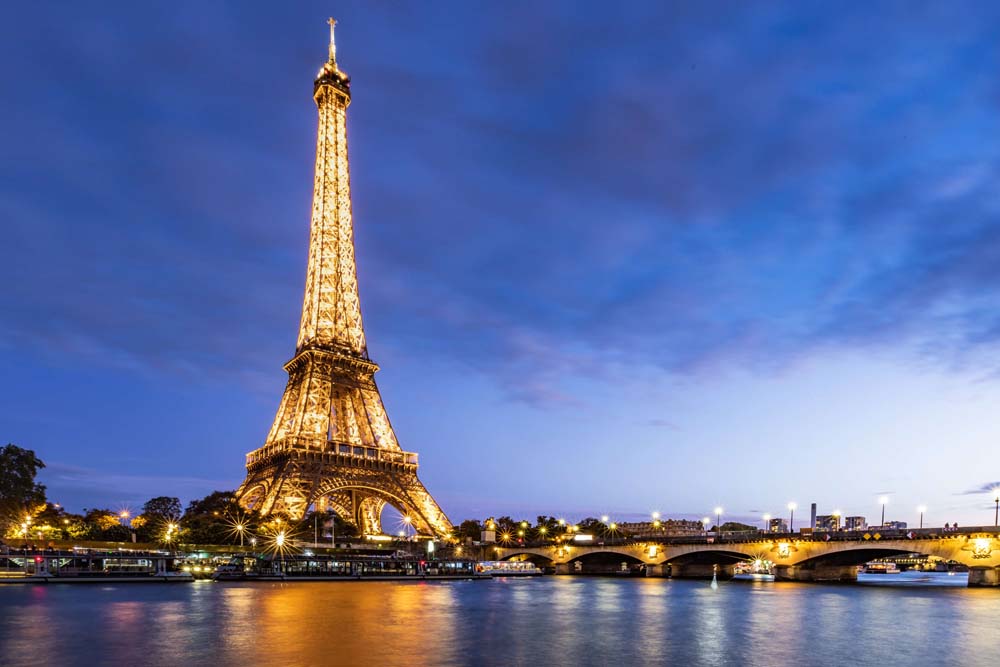
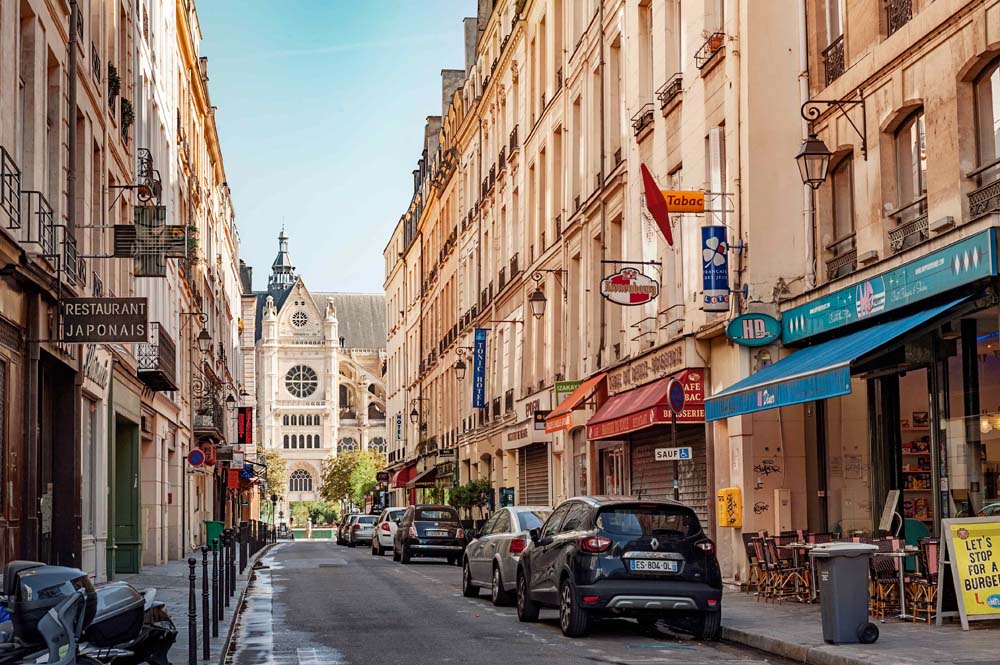


Paris delivers the classic combination travelers come to France for: world-class museums, instantly recognizable landmarks, and neighborhoods that remain rewarding long after you’ve seen the “musts.” It works beautifully as a land anchor because it supports both first-time visitors and returning travelers who want a more focused, deeper stay.
In practical terms, Paris rewards guests seeking well-known signature sights, museum visits with cultural context, and monumental heritage architecture—balanced by street life, cafés, and scenic river moments. It’s also a natural base for exploring tourist destinations in Paris in a way that feels curated rather than rushed.
Why Visit Paris
Paris is worth the time for more than its landmark count.
- The city excels at connecting headline sights to a grounded sense of place
- Through food markets and bistros, walkable districts, Seine-side views
- And small details that reveal themselves between major stops
When you choose one anchor experience and leave space for wandering, Paris feels immersive and personal instead of like a checklist.
Top Things to Do in Paris
Louvre Museum
Set aside time for the Louvre Museum if you want your Paris visit to have depth as well as beauty. The collection adds story, context, and a powerful sense of how art, power, and culture shaped the city over centuries. It’s an ideal anchor when you want more than scenery—especially if the rest of your itinerary is heavy on “exterior landmarks” without interpretation.
Notre Dame Cathedral
Even viewed from the outside, Notre Dame remains one of Paris’s most important reference points—anchoring the city’s geography, history, and emotional identity on the Île de la Cité. The setting alone delivers a strong sense of continuity: river views, ancient street patterns, and a feeling that you’re standing at the heart of the city. It pairs naturally with a slower walk along the Seine.
Palace of Versailles
Versailles is best approached as a full cultural outing, not a quick detour. The scale and formality—grand rooms, long perspectives, and expansive grounds—create one of the clearest contrasts to central Paris’s tighter streets and neighborhood rhythm. That “different world” feeling is exactly why it adds so much to a wider itinerary, especially when you leave enough time for both the palace and the gardens.
Palais Garnier
Opulence takes center stage at Palais Garnier, where gilded interiors and dramatic staircases showcase Paris beyond the museum-and-monument pattern. It’s a standout for travelers who love decorative detail, elegant spaces, and the city’s performance heritage. As a targeted stop, it brings texture and theatricality to the day—particularly when paired with nearby boulevard strolling.
How Paris Fits into a Broader Itinerary
The easiest way to plan Paris is to group nearby experiences instead of zig-zagging across the city.
- Choose the attraction that matters most,
- Add one supporting neighborhood or site close by,
- Keep part of the day flexible.
That approach usually fits Century-style travel better than trying to force a full city sweep into a limited time.
It also helps to decide whether Paris should carry the day through one headline attraction or unfold as a broader blend of atmosphere and supporting sights—once that’s clear, the visit feels far more satisfying.
Where to Slow Down
Even in a city packed with famous landmarks, the quality of the visit often depends on where you let the pace soften. In Paris, that might mean:
- A long lunch,
- An unplanned neighborhood walk,
- A second stop that complements your anchor sight instead of competing with it.
Those slower moments are often what make Paris feel complete rather than merely efficient.
Travel Planning Notes
Most travelers get more from Paris when they keep one part of the day flexible.
- Helps with weather or slower transfers
- Allows extra time inside a major museum
- Gives room to stay longer at a street or viewpoint that deserves it
Final planning note: Paris almost always performs better as a selective stop than an exhaustive one—prioritize what matters most, choose your pace, and let the city speak to you.
Frequently Asked Questions
How much time should I plan for Paris?
A focused one to two-day stay is enough for most travelers to cover the major highlights without rushing. If you want museums, neighborhoods, and slower meals built in, extra time helps.
What kind of experience is Paris best known for?
It is strongest when you treat it as more than a checklist stop. The destination usually delivers best when you pair one major attraction with time to take in the atmosphere around it.
How should I fit Paris into a larger trip?
Use it as a clear anchor, not a filler stop. Build one strong day around the headline sights, then connect it to the next destination with a lighter transfer or travel day.