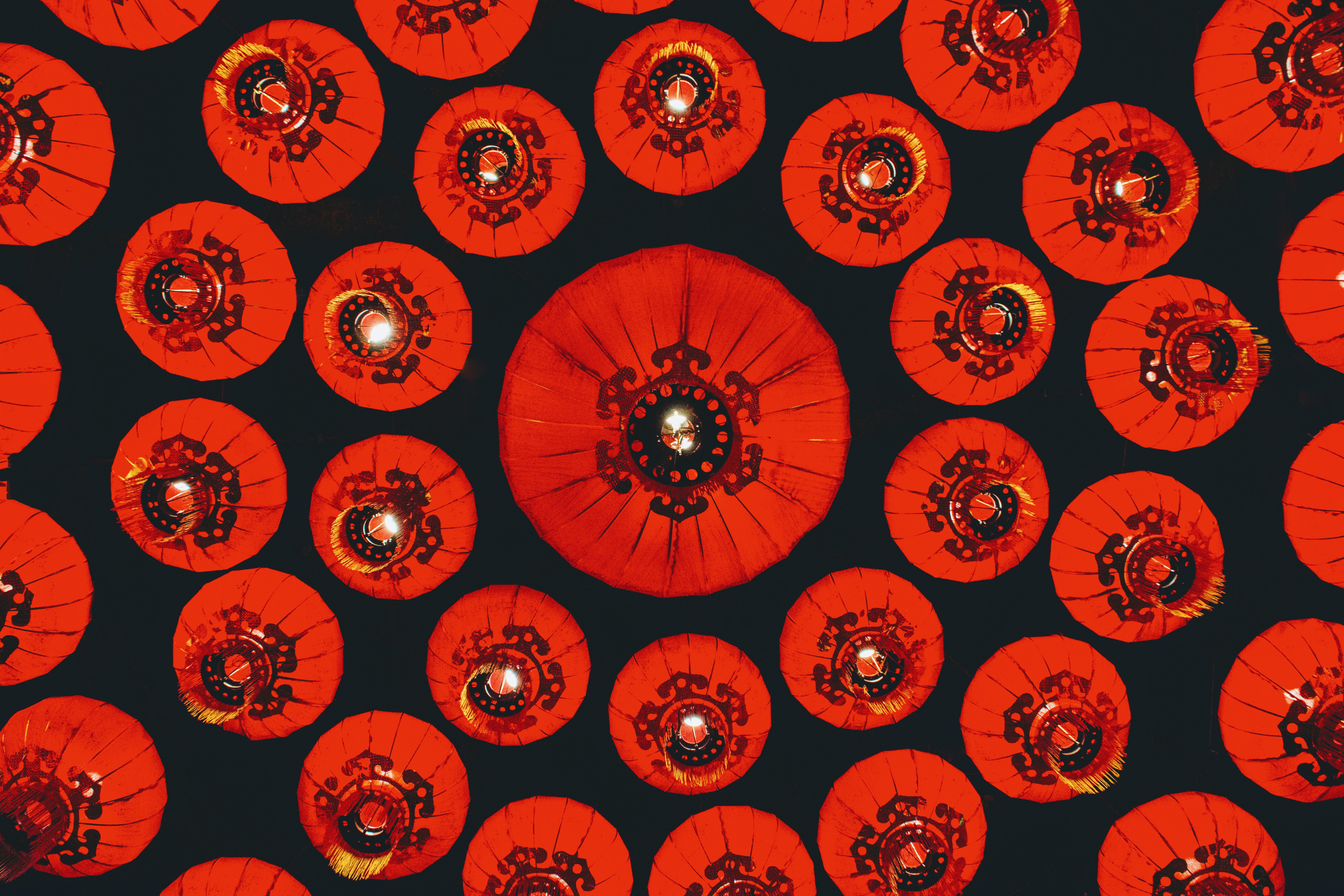
China is a country that truly comes alive during its major festivals, like the Chinese New Year, Labour Day (May 1–3), and the National Day Holiday (October 1–7). During these times, the entire country is bustling with celebrations, making hotels, trains, and attractions very busy—but also full of energy and unforgettable experiences! Beyond these well-known holidays, smaller regional festivals are gaining international attention, offering travelers unique cultural experiences. Planning your visit around these festivals can let you discover parts of China that are even more vibrant and full of local charm.
At the beginning of the year the Ice and Snow opening ceremony takes place on the 5th January in the capital of Heilongjiang Province, Harbin. Since the establishment of the festival in 1963 its popularity has grown both in China and around the world. Today the Ice and Snow Festival is biggest of its kind and made the Guinness Book of Records in 2007 for the world’s largest snow sculpture.
The Qing Ming Festival Ancestors Day or Tomb Sweeping Day is a traditional Chinese festival on the 104th day after the winter solstice – falling on April 4-6 each year. After honouring their ancestors’ spirits, the Chinese believe that the temperature rises and rainfall increases, thereby bringing a good harvest – honouring the dead is therefore an important part of the order of the universe. This festival is so important to the Chinese people that it is not just a public holiday but also features on the UNESCO World Heritage List.
A very interesting Festival is the Dragon Boat Festival which is celebrated on the 5th day of the 5th moon in June. Intricately designed and colourfully painted dragon boats are the highlight of the event. On October 30th 2009 Dragon Boat Race was added to the UNESCO World Intangible Cultural Heritage List.
The Double Seventh Festival, on the 7th day of the 7th lunar month, is a what we in the west celebrate as Valentines Day. The Double Seventh Day is not a public holiday in China, but it is widely celebrated and enjoyed.
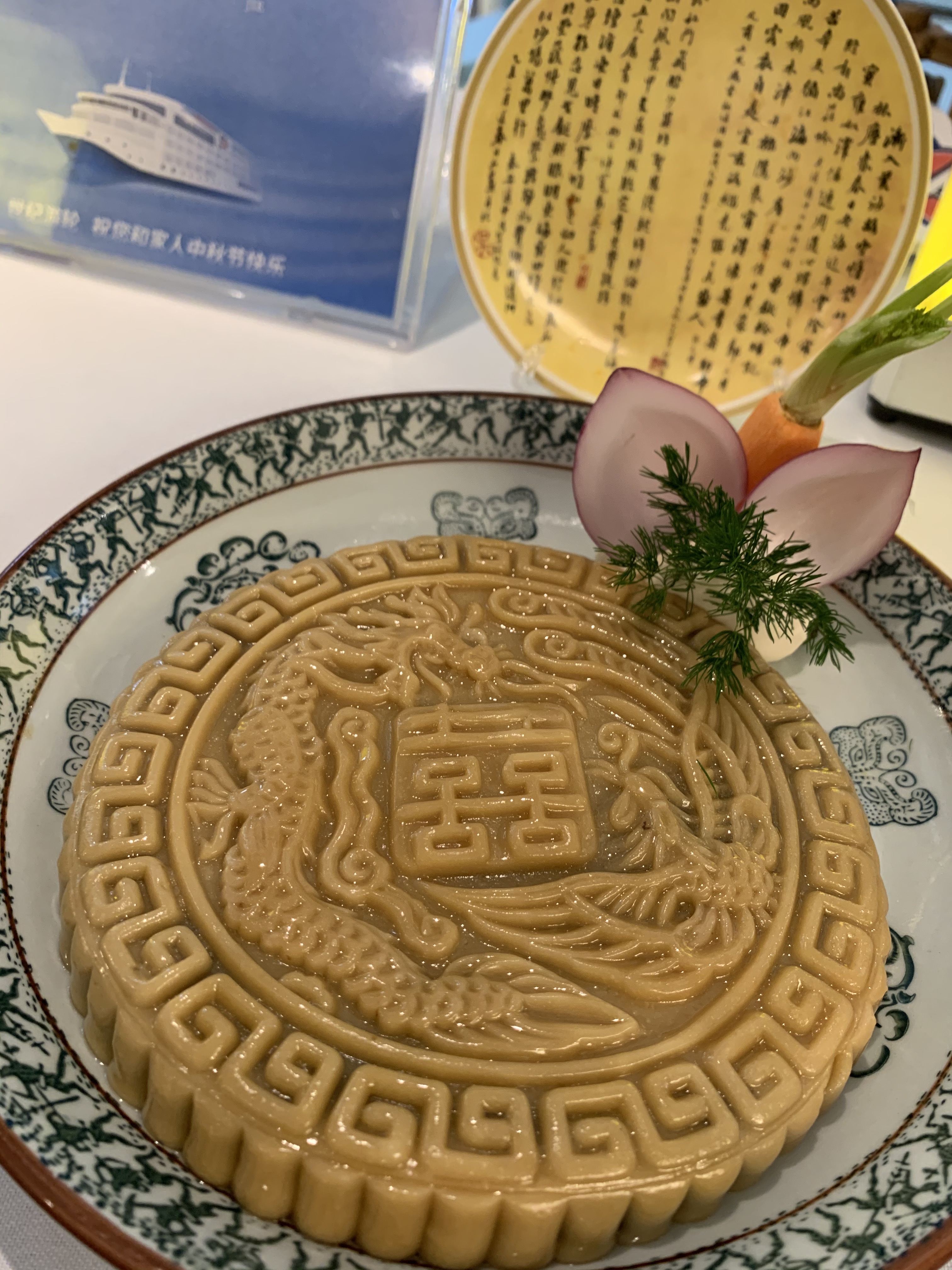
The Mid-Autumn Festival falls on the 15th day of the 8th lunar month. In Chinese culture, the full moon is a symbol of peace and prosperity for the whole family, and the number 8 symbolizes wealth and prosperity. In the middle of the lucky 8th month the moon is full – so an auspicious time for celebrations.
August sees the celebration of the national pride of China – Qingdao Beer, which since its worldwide publicity has changed its name to the Asian Oktoberfest. Shandong Province and its largest city, Qingdao, has a very interesting history – Qingdao was ‘leased’ to Germany during the 19th century, and as a result there is a lot of European architecture visible in and around the city. To feel more at home in Qingdao, the Germans built a brewery as well. The history of the brewery is a microcosm of the history of Qingdao – exhibited in it are items from all of the great 19th century empires – French, German, British, Russian and Japanese. Today the brewery is a pleasant place to visit and taste different beers. Following the German influence on the region, the Chinese introduced a beer festival in 1991 which today is the biggest in the world.
All these festivals above are celebrated mainly by the Han Chinese, the largest of the country’s ethnic groups of which there are over 50, each with their own festivals – these are some of the most well-known.
Water-Splashing Festival of Dai – regarded as the New Year of the Dai ethnic minority, who live in Yunnan Province. It takes place from the 14th to 16th April (24th to 26th day of the 6th month of the Dai calendar).
Bullfight Festival of Miao – takes place on the 25th day of the first lunar month in Guizhou and Yunnan Provinces. The Miao ethnic minority people are primarily farmers who naturally regard cattle as an indispensable friend – this festival is to celebrate them them.
Nadam Fair of the Mongolians – takes place on the 15th July in Inner Mongolia.
Kaizhai Festival takes place at the beginning of the 10th month of the Islamic calendar in Ningxia Hui Autonomous Region, Xinjiang and Gansu Provinces. According to Islam, the 9th month of the Islamic calendar is the fasting month of Ramadan. After 29 or 30 days of fasting comes the traditional Kaizhai Festival on the first day of the 10th month and it lasts 3 days.
As well as these festivals, China also celebrates International Women’s Day (8th March), National Youth Day (4th May), International Children’s Day (1st June), Teachers Day (10th September).
For information about travelling to China please visit www.centuryrivercruise.com or email