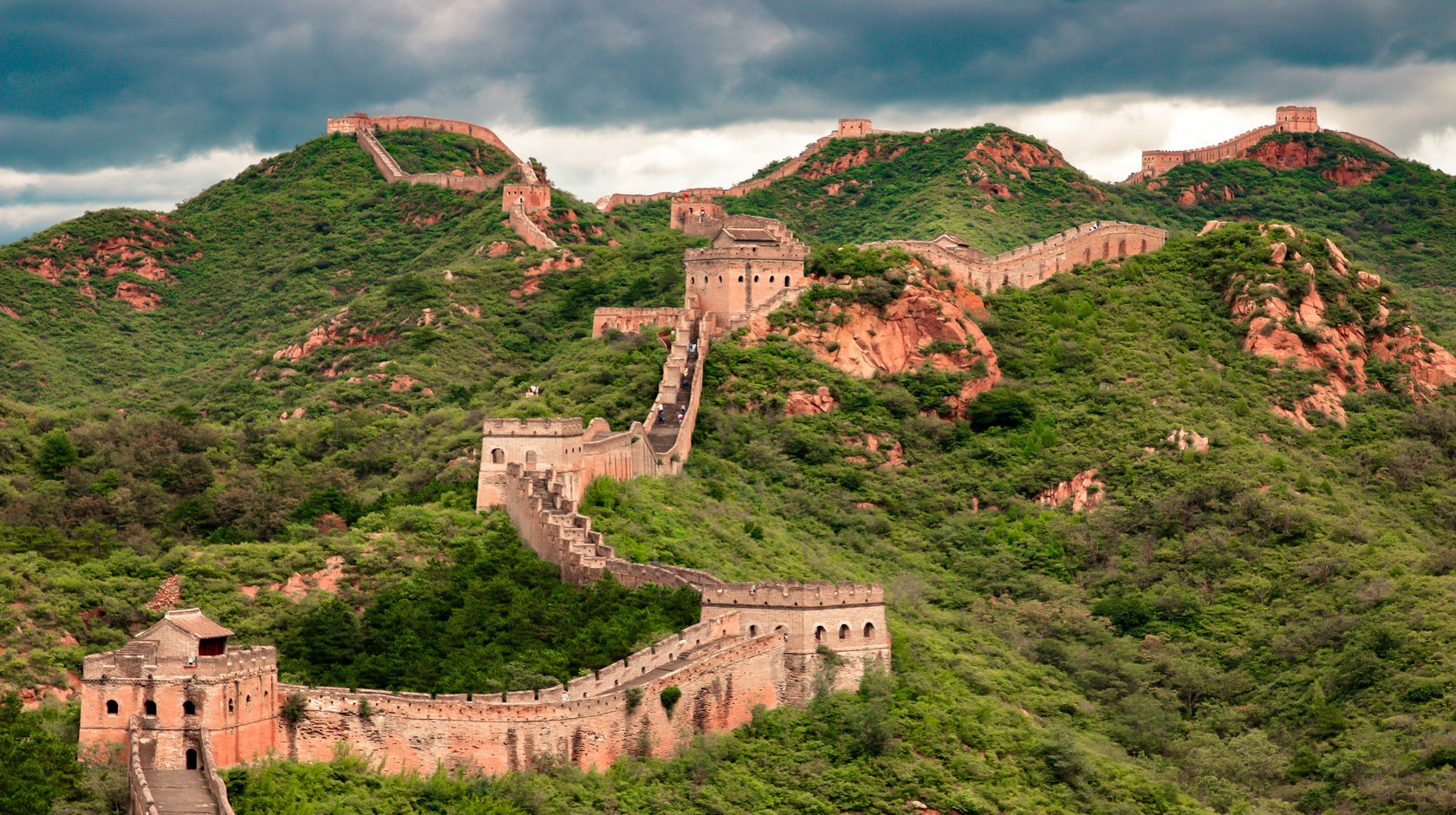
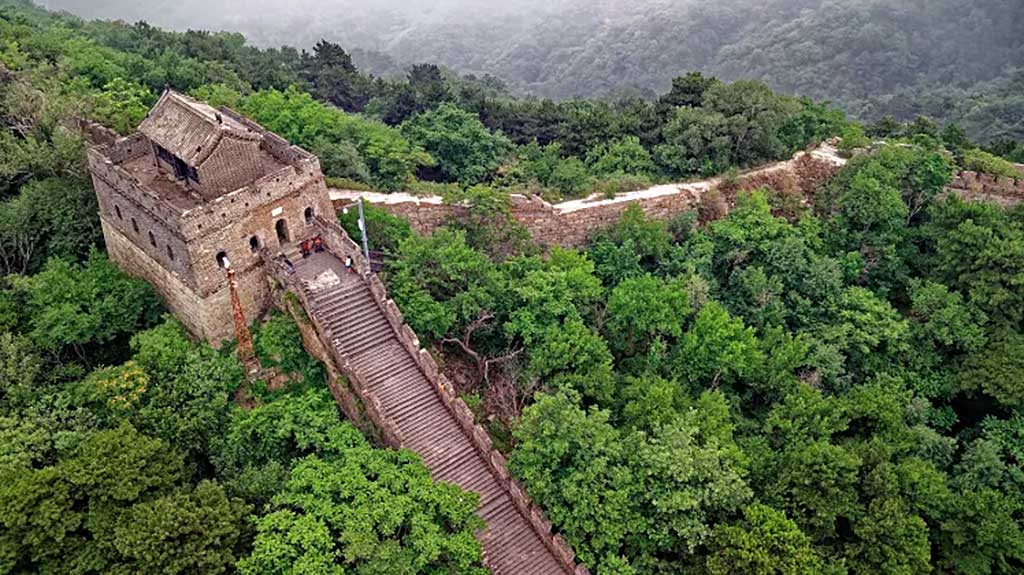
The Great Wall of China isn’t just a piece of history; it’s a testament to human determination, ingenuity, and the desire to leave a mark on the world. From ancient watchtowers to breathtaking vistas, this iconic structure is waiting for you to explore every brick and story along its winding path.
One of the 60 best-known UNESCO World Heritage sites in China and the very first to be added to the list, the Great Wall stretches from the edge of the Gobi Desert all the way to near the Bohai Sea. Spanning an astonishing 21,000 kilometers (13,000 miles), it’s a common myth that the Wall can be seen from space—unfortunately, it can’t.
Built to protect against northern invaders, the Wall is made of brick, wood, stone, and in some sections, a mixture of rice and eggs. It’s a testament to human architectural ingenuity and rightly earns its place among the Seven New Wonders of the World. Along its entire length, watchtowers are strategically positioned at regular intervals to allow rapid message transmission and provide shelter for soldiers.
Where to Experience the Great Wall
A question often asked is: Where is the best place to experience the magnificence of the Great Wall of China?
The Wall is close to Beijing, and there are several sections where you can witness this monumental feat of human architecture. Here’s a quick guide based on distance from Beijing, significance, and accessibility:
- Mutianyu
- Well-restored but less crowded than Badaling
- Scenic views with cable cars available
- Perfect for families and moderate hiking
- Jinshanling
- Partially restored; combines rugged, authentic Wall with restored sections
- Fewer tourists; great for photography and hiking
- About 2–3 hours from Beijing
- Simatai
- Steep and dramatic; partly unrestored
- Offers night tours, a unique experience
- Less crowded but requires moderate fitness
- Gubeikou
- Unrestored, wild section of the Wall
- Very few tourists; historical and authentic feel
- Ideal for adventurous hikers
- Huanghuacheng
- “Water Wall”; parts are submerged or near a reservoir
- Stunning scenery with fewer visitors
- Moderate hiking, can combine with boating
- Jiankou
- Famous for its steep, wild, and dramatic terrain
- Popular with photographers and experienced hikers
- Dangerous in some parts; best visited with a guide
- Badaling
- About 70 km (43 miles) northwest of Beijing
- Most visited and well-preserved section
- Easily reachable by road or train; very tourist-friendly
Tips for Visiting
To make the most of your visit and truly enjoy the breathtaking experience, here are 7 useful tips for exploring the Great Wall of China:
- Wear the right shoes: Comfortable walking or hiking shoes with good grip are essential—avoid sandals or flats.
- Be ready for uneven steps: Heights vary from shallow to very steep, so take your time.
- Dress in layers: Weather changes quickly; bring sun protection in summer and a jacket for wind or cooler months.
- Bring water: Especially on quieter sections like Gubeikou or Jinshanling.
- Use cable cars or toboggans if needed: Mutianyu and Badaling offer options to save energy and enjoy the views.
- Pick a section that suits your fitness: Easy (Badaling, Mutianyu), moderate (Jinshanling, Huanghuacheng), or challenging (Jiankou, Simatai).
For more information about China, UNESCO sites in China, and the Great Wall of China, please email