In July 2026, the Jingdezhen Porcelain Sites became China's 61st UNESCO World Heritage Site. The inscription includes five different areas together telling the complete story of porcelain production dating back more than 1,000 years.
What made Jingdezhen unique was that it preserved every stage of the porcelain-making process, from mining raw materials and gathering fuel to firing the kilns and transporting the finished products to international markets. One of its greatest advantages was access to kaolin clay, often called the "bone of porcelain." This clay gave porcelain its brilliant white colour, for which Chinese porcelain became famous. When combined with porcelain stone, mined nearby, it created a final product that was both incredibly strong and exceptionally translucent.
To fire the kilns, craftsmen relied on wood from the nearby Jiaotan Firewood Production Area, where pine and fir forests were carefully managed. Because the demand for fuel was so high, sustainable forestry practices were introduced centuries ago. Mature "mother trees" were left standing so they could produce seeds and regenerate the forest after harvesting. This ensured a long-term supply of fuel for the kilns.

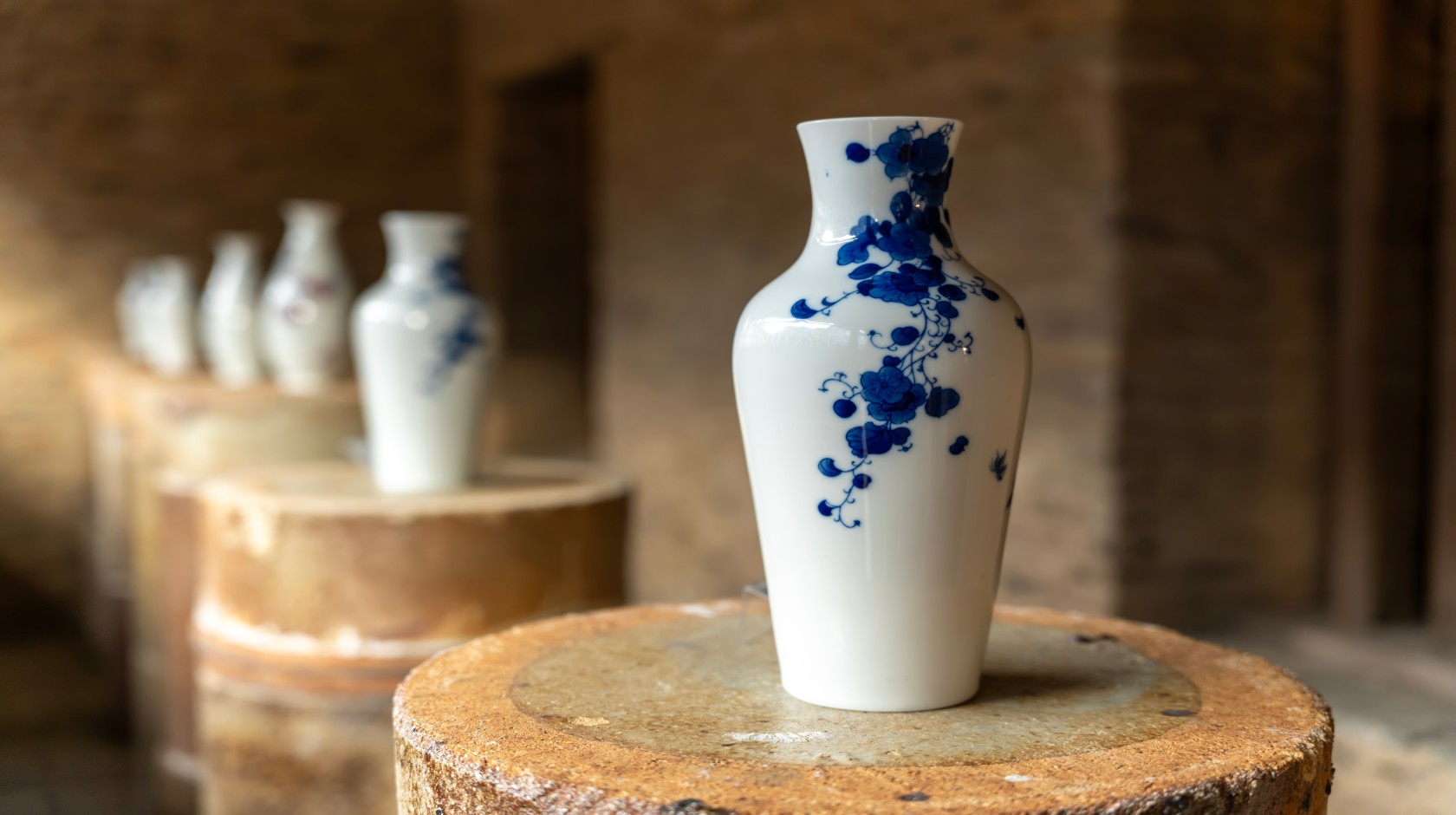
The most iconic product from Jingdezhen is its blue-and-white porcelain, which became the symbol of "fine china." It travelled along the Silk Road and the Yangtze River to markets across Asia, the Middle East, Africa and Europe. European potters studied Chinese porcelain for centuries but could not reproduce its formula until they discovered deposits of kaolin. In 1709, they successfully produced their own hard-paste porcelain at Meissen in Germany.
Today, the Jingdezhen Porcelain Sites are much more than another UNESCO World Heritage Site. They remain a fully functioning centre of porcelain production and represent a heritage of craftsmanship that remains alive today, with traditional skills still being practised and passed down from one generation to the next.
Century Cruises offers a unique opportunity to visit this remarkable UNESCO World Heritage Site as part of its 16-day Yangtze River cruise from Chongqing to Shanghai, showcasing one of China's greatest artistic and industrial achievements.