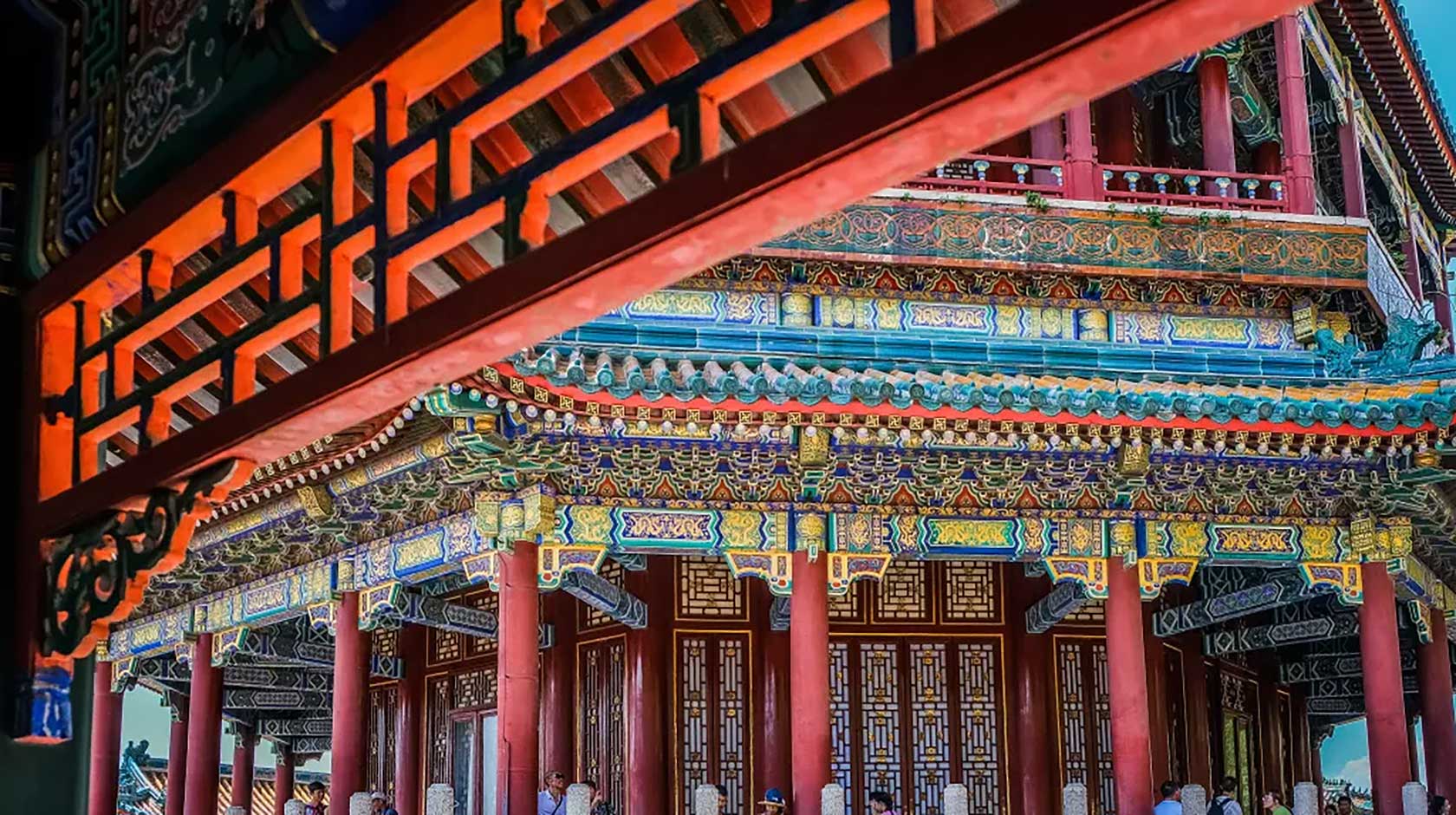
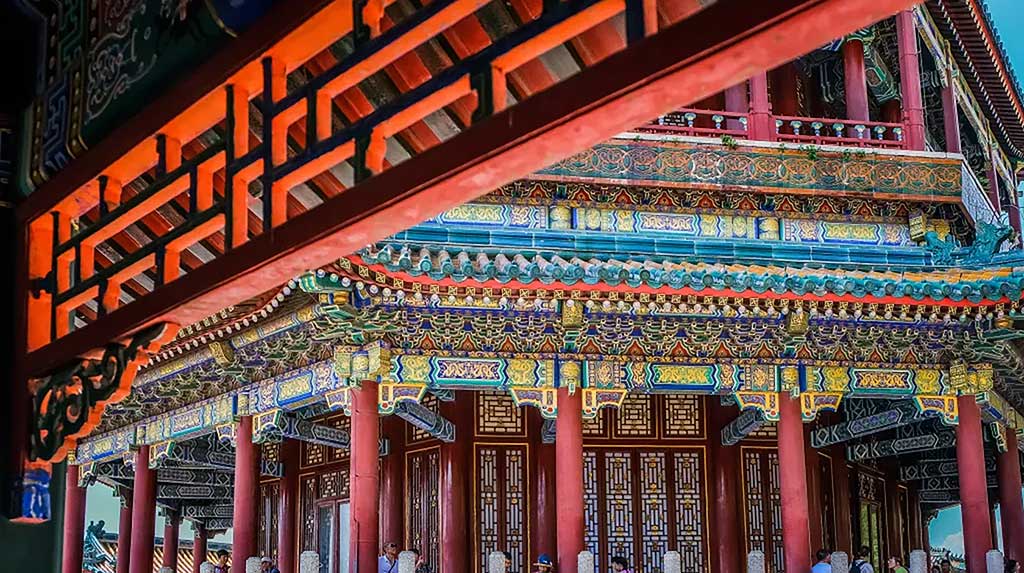
Beijing is home to eight of the world’s most magnificent UNESCO World Heritage Sites—monuments of extraordinary craftsmanship and cultural depth. Behind many of these architectural masterpieces stands the remarkable Lei Family of Architects . For more than two centuries, the Lei Family served as China’s imperial master builders, and their influence continues to shape Beijing’s architectural identity today. For travellers exploring Beijing as part of a Century Cruises journey, these UNESCO sites offer the perfect introduction to China’s architectural heritage before sailing the majestic Yangtze River.
The Forbidden City is perhaps the most iconic example of the Lei family’s genius. They oversaw major reconstructions, refined architectural standards, and perfected design principles that define the palace complex: golden roofs, precise courtyard alignments, elaborate bracket sets, and earthquake-resistant timber structures. Thanks to their engineering, the Forbidden City has remained remarkably resilient through centuries of natural and historical change.
The Temple of Heaven, another masterpiece shaped by the Lei family, reflects a perfect harmony between architecture and cosmology. The Hall of Prayer for Good Harvests, constructed entirely without nails, showcases intricate interlocking timbers and symbolic geometry that express ancient beliefs with extraordinary beauty.
At the Summer Palace, the Lei family contributed to significant preservation and reconstruction work, ensuring that its gardens, temples, pavilions, and lakes retained their poetic balance. Their design principles—scale, harmony, and natural integration—continue to influence Chinese landscape architecture today.
The Ming Tombs, located just outside Beijing, demonstrate the Lei family’s mastery of solemn ritual design. Spirit paths, grand ceremonial gates, and refined wooden halls reflect centuries of architectural wisdom dedicated to honoring imperial ancestors.
Beyond their imperial achievements, the Lei family left an enduring legacy on modern architecture. Their earthquake-resistant timber engineering is still studied today. Their modular construction methods foreshadow modern prefabrication, and their philosophy of harmony between buildings and nature remains central to contemporary architectural thinking. Many restoration standards used across China trace back to Lei family manuals and construction records.
For guests travelling with Century Cruises, exploring these UNESCO treasures is an inspiring beginning or finale to a broader journey through China. Combining the imperial grandeur of Beijing with a voyage through the dramatic landscapes of the Yangtze River allows travellers to experience China’s cultural heritage in a rich, immersive, and meaningful way. Century Cruises is proud to share these stories and honor the enduring influence of the Lei family, whose architectural brilliance continues to shape both China’s past and its modern future.
#BeijingCentralAxis #UNESCOHeritage #HistoricBeijing #AncientCityPlanning #ForbiddenCity #TempleOfHeaven #Tiananmen #MingQingArchitecture #ChineseCulture #WorldHeritage