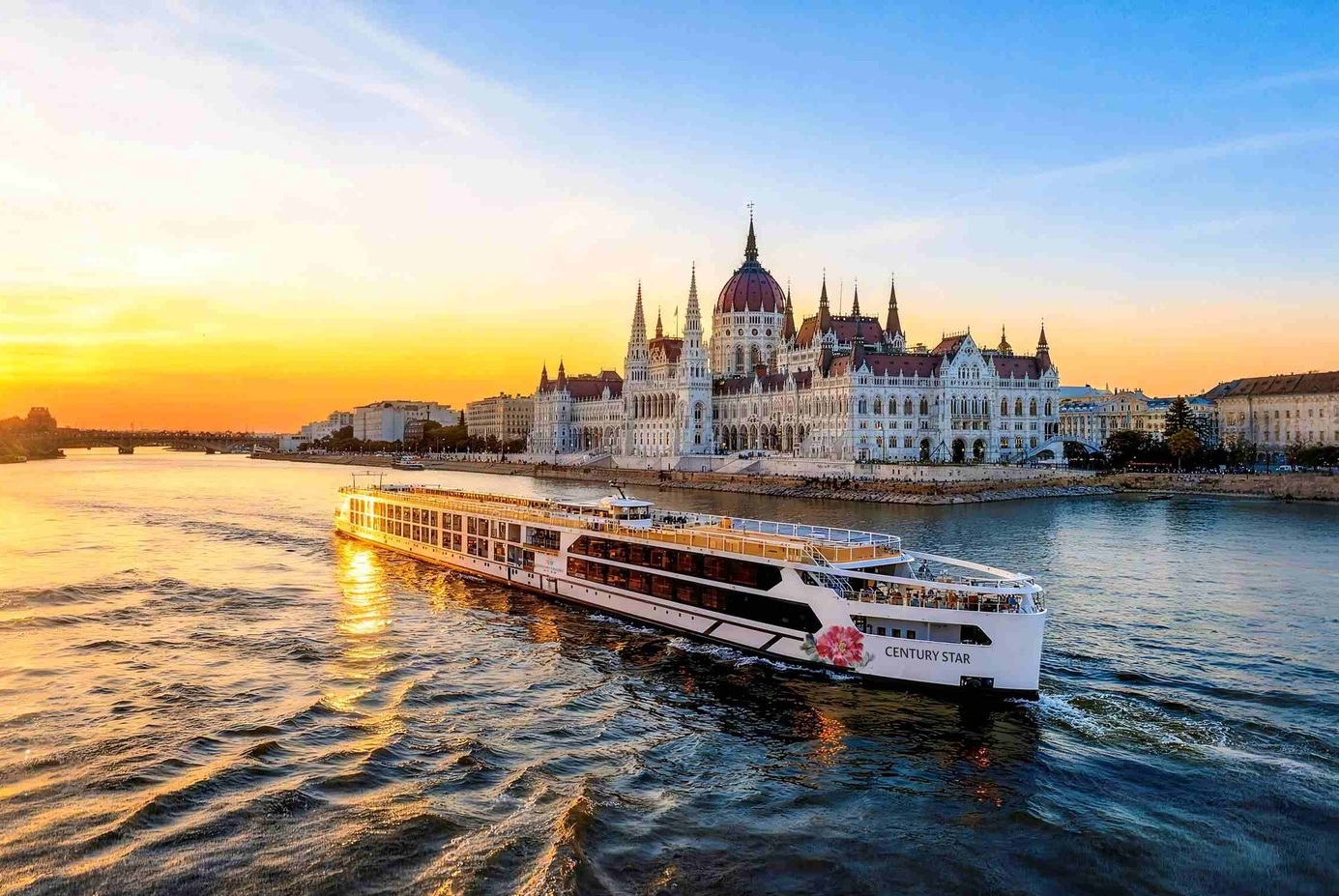
What many travelers rarely consider, however, is how these remarkable cruise markets came to exist in the first place.
For me, that question has always been fascinating.
As a history major, I have spent much of my life studying the rise and fall of civilizations, the evolution of commerce, and the events that shaped our world. I have always been intrigued by the Romans and their influence on Western civilization, the Vikings and their exploration of distant lands, the Renaissance and its transformation of Europe, and the Industrial Revolution that forever changed transportation, trade, and tourism.
History teaches us an important lesson: nothing significant happens overnight.
Great civilizations are built over centuries. Great industries emerge through innovation, perseverance, and changing consumer behavior. The same can be said for travel.
For more than twenty years, I have been fortunate to work in an industry that I genuinely love. Throughout my career, I have held leadership positions across cruise lines, tour operators, vacation packaging companies, and travel distribution organizations. While each segment of the industry has its own unique characteristics, I have found myself increasingly drawn to river cruising.
Perhaps that is because river cruising sits at the perfect intersection of history, culture, geography, and tourism.
The more I became involved in the river cruise industry, the more I found myself asking a question that perhaps only a history enthusiast would ask:
How did the world's great river cruise markets emerge?
Why did the Nile become the birthplace of modern river cruising?
How did Europe's rivers become the largest river cruise market in the world?
Why has the Yangtze transformed from a transportation corridor into one of the fastest-growing luxury river cruise destinations on the planet?
The deeper I researched, the more I discovered something remarkable.
While these three regions developed on different continents, during different centuries, and for entirely different reasons, they all followed a surprisingly similar path.
Transportation became tourism.
Tourism became hospitality.
Hospitality became luxury.
The story begins more than 150 years ago on the banks of the Nile River.
The Nile: Where Modern River Cruising Was Born
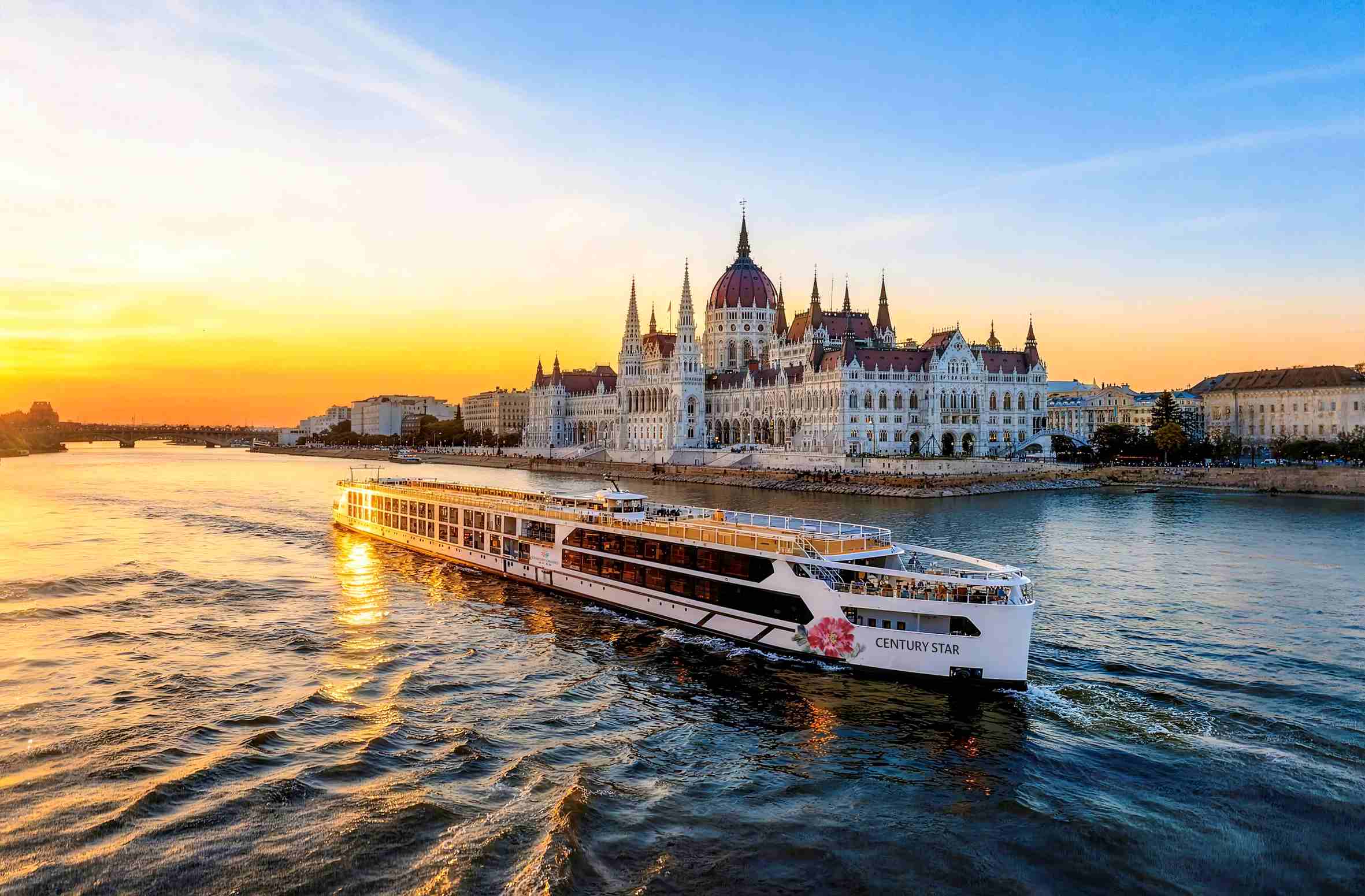
Long before travelers sailed the Rhine or the Danube for leisure, visitors were already exploring Egypt aboard vessels traveling the Nile.
In many respects, the Nile can legitimately claim to be the birthplace of modern river cruising.
During the nineteenth century, Europe became captivated by ancient Egypt. Archaeological discoveries fueled public fascination with Pharaohs, temples, tombs, and one of the world's oldest civilizations. Wealthy travelers began making the journey to Egypt, eager to experience the mysteries of the ancient world firsthand.
Travel at the time was hardly convenient.
Early visitors often traveled aboard traditional sailing vessels known as dahabiyas. These journeys could last weeks and were as much expeditions as vacations.
Everything changed when Thomas Cook introduced organized Nile journeys in the late nineteenth century.
For the first time, travelers could purchase a complete package that combined transportation, accommodations, meals, and guided sightseeing.
The formula sounds familiar because it remains the foundation of modern cruising today.
What struck me most during my research was that the Nile was never simply selling transportation. It was selling immersion into a story.
Passengers were not merely traveling from one destination to another. They were traveling through thousands of years of human history.
That remains the Nile's greatest strength today.
Guests sailing between Luxor and Aswan continue to experience some of the world's most iconic archaeological sites, including Karnak Temple, Luxor Temple, the Valley of the Kings, Edfu, Kom Ombo, and Philae. Few tourism products in the world offer such a direct connection between ancient civilization and modern travel.
If the Nile invented river cruising, Europe would ultimately perfect it.
Europe's Great Rivers: Building the World's Largest River Cruise Market
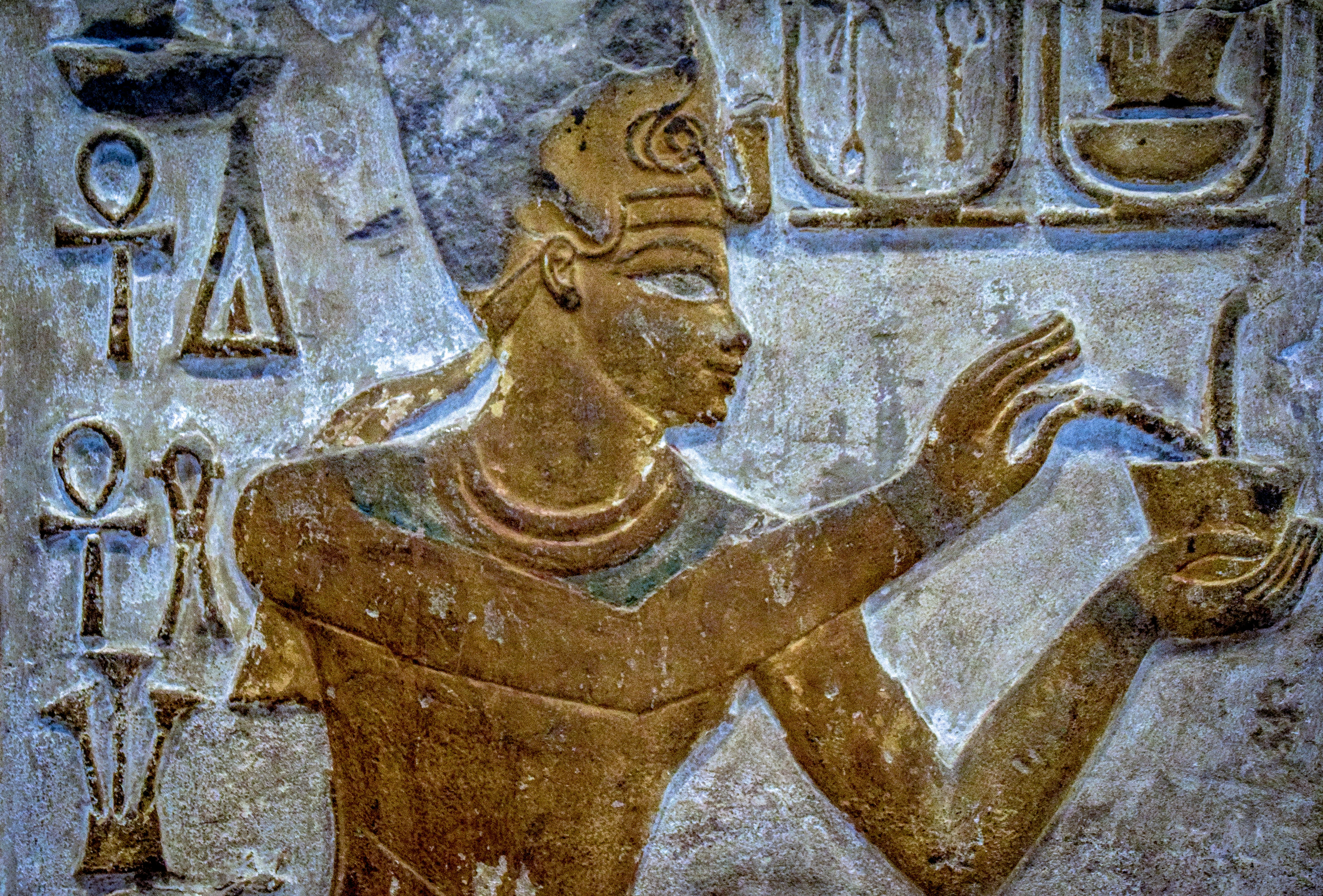
Europe's river cruise success story is not really about ships.
It is about rivers that helped build Western civilization.
For centuries, the Rhine, Danube, and Moselle served as commercial highways, political boundaries, military corridors, and cultural connectors. Long before tourists arrived, these rivers helped shape the Europe we know today.
The Rhine may be the most influential commercial river in European history.
Stretching from the Swiss Alps to the North Sea, it served as a critical trade route for more than two thousand years. The Romans established forts and settlements along its banks. Merchants transported goods throughout the continent. Medieval rulers built castles overlooking the river to protect territories and collect tolls from passing vessels.
Today, those same castles have become some of the most photographed landmarks in river cruising.
A journey through the Rhine Gorge is more than a scenic cruise. It is a journey through the commercial history of Europe itself.
The Danube tells a different story.
Flowing through ten countries and connecting East and West, the Danube has witnessed the rise and fall of empires for centuries. Romans, Byzantines, Ottomans, and Habsburgs all relied upon the river as a transportation and military corridor.
Cities such as Vienna, Budapest, and Belgrade grew into major centers of culture and commerce because of their relationship with the Danube.
Today, travelers can sail through multiple countries while experiencing an extraordinary variety of cultures, languages, cuisines, and architectural styles. Few travel experiences provide such a vivid perspective on European history.
The Moselle, meanwhile, offers something entirely different.
While less famous than the Rhine or Danube, it is one of Europe's most charming waterways. Flowing through France, Luxembourg, and Germany, the Moselle became synonymous with winemaking after the Romans introduced vineyards nearly two thousand years ago.
The steep vineyard-covered hillsides, medieval villages, and timeless atmosphere create one of the most intimate experiences in European river cruising.
Together, these rivers created the foundation for what would eventually become the world's largest river cruise market.
The modern European river cruise industry accelerated rapidly during the 1990s and early 2000s. Improved infrastructure, greater accessibility, growing affluence, and purpose-built river vessels transformed the region into a global tourism powerhouse.
The concept was simple yet powerful.
Unpack once.
Wake up in a new destination every day.
Experience history, culture, cuisine, and scenery without ever changing hotels.
The formula proved extraordinarily successful and remains the benchmark for river cruising worldwide.
Yet while Europe was building the world's largest river cruise market, another river was beginning its own transformation thousands of miles away.
The Yangtze: The Rise of a New Giant
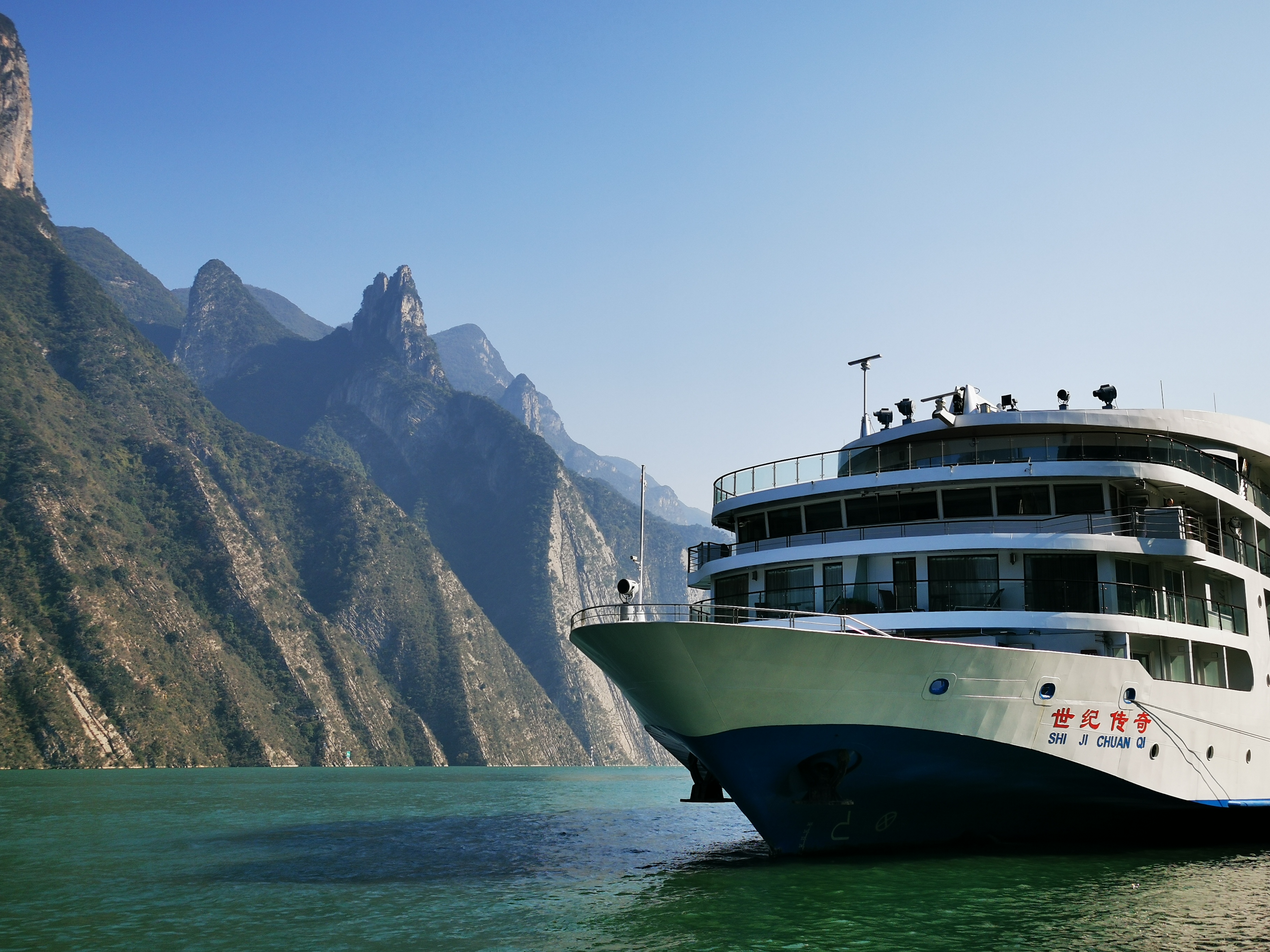
Unlike the Nile or Europe's rivers, the Yangtze's emergence as a cruise destination has occurred largely within our lifetime.
For centuries, the Yangtze served as China's most important transportation corridor. It connected cities, supported commerce, and helped fuel economic growth throughout the country.
Its most famous section, the Three Gorges, inspired poets, artists, and travelers for generations.
Tourism, however, remained secondary.
Navigation challenges and infrastructure limitations prevented the development of a large-scale cruise industry.
That began to change during China's economic transformation and modernization.
As international tourism increased, interest in the Yangtze grew significantly. Travelers became fascinated by the Three Gorges and China's rapidly evolving role on the world stage.
The construction of the Three Gorges Dam marked a turning point.
While many initially feared the project would negatively impact tourism, it ultimately improved navigation, expanded infrastructure, and enabled the development of larger and more sophisticated vessels.
Then came the most significant factor of all: the rise of China's middle class.
Millions of travelers gained both the financial resources and desire to explore their own country.
The Yangtze evolved from a sightseeing excursion into a true vacation experience.
Modern luxury vessels entered the market. Service standards improved dramatically. Entertainment, dining, and accommodations evolved to meet growing consumer expectations.
Today, the Yangtze is widely recognized as one of the world's premier river cruise destinations and continues to attract both domestic and international travelers.
In many ways, the Yangtze represents the future of river cruising: a market driven by economic growth, destination immersion, and an increasingly sophisticated traveler.
One Industry, Three Remarkable Stories
As I completed this deep dive into the world's great river cruise markets, I found myself returning to a familiar lesson from history.
While circumstances change, patterns often repeat.
The Nile, Europe's rivers, and the Yangtze emerged under different conditions and in different eras.
Yet all three followed remarkably similar paths.
Transportation became tourism.
Tourism became hospitality.
Hospitality became luxury.
What began as waterways connecting civilizations eventually became pathways connecting travelers to culture, history, and one another.
Perhaps that should not surprise us.
Civilizations have always been built around rivers.
Commerce has always followed rivers.
History has always flowed through rivers.
And now, increasingly, tourism does too.
For those of us fortunate enough to work in this industry, understanding how these markets emerged provides more than historical perspective.
It offers insight into where river cruising may be headed next.
Because somewhere in the world today, another great river may be beginning the same journey.
History suggests that when transportation, culture, infrastructure, and tourism align, extraordinary things can happen.
The next great river cruise market may already be taking shape.
About the Author
David Fredericks is President & General Manager of Century Cruises – The Americas, where he oversees the company's growth strategy, sales, marketing, operations, and market expansion throughout North America.
With more than twenty years of experience in the global travel industry, David has held leadership positions across cruise lines, tour operators, vacation packaging companies, and travel distribution organizations. His career includes experience with Viking River Cruises, Crystal Cruises, major travel agency organizations, and numerous travel brands throughout North America.
Throughout his career, David has worked alongside virtually every major river cruise company in the world and has developed extensive expertise across many of the world's most important waterways, including the Rhine, Danube, Moselle, Seine, Rhône, Douro, Nile, Mekong, Mississippi, and Yangtze rivers.
A lifelong student of history, David enjoys exploring the intersection of civilization, commerce, geography, and tourism, and how those forces shape the evolution of global travel.
For additional information or to connect with David Fredericks, please contact him at