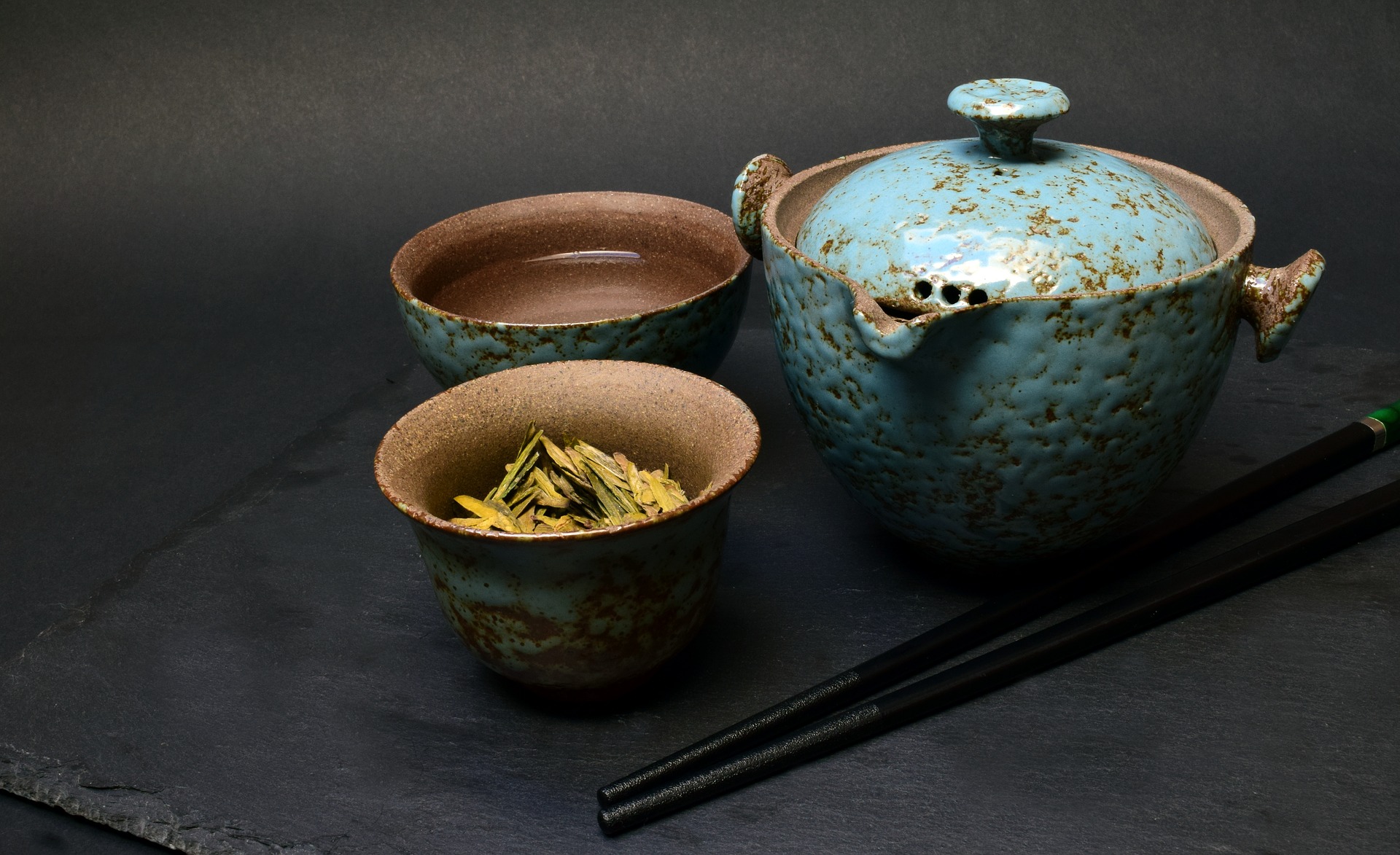
You have been to the Hangzhou Tea Plantation and tried Famous woolong tea. You also had a chance to pick up your own leaves and see them go into the pot. You also went to the Guilin International Tea Institute, a secluded and secret place to learn to serve and taste tea. It’s a tradition not often seen across China, but offered to Century Cruises clients on the 19-day Dream of China tour.
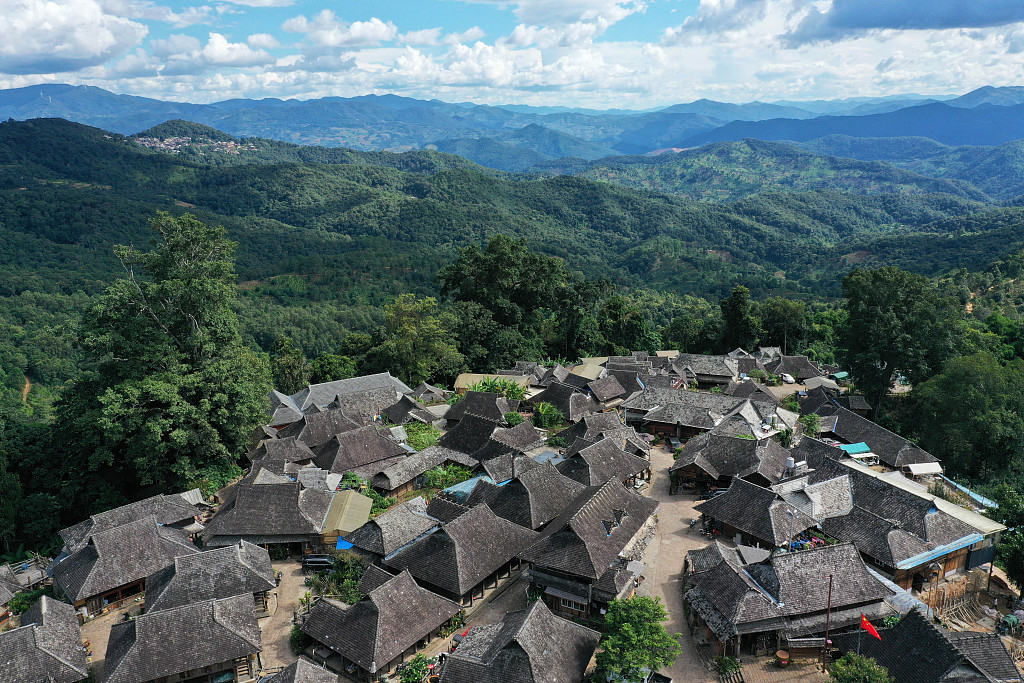
But have you heard of Jingmai Tea Mountain on the border between China and Myanmar? This secret land has evolved over a thousand years by the Blang and Dai peoples, following tea practices dating back to the 10th century. This organic natural landscape comprises old tea groves, tea land, forests, and traditional villages. This region is not only about the ancient tea trees, but also the living traditions of the Bulang and Dai communities who have managed this forest for centuries.
Some of the tea trees here are thought to be over 1,000 years old, and local communities - mainly the Bulang and Dai peoples - have lived along and cared for this landscape for more than 1,300 years, passing down tea knowledge through generations.
This region is one of the most impressive tea landscapes in the world: a vast, untouched “wild tea garden” where nature, culture, and farming blend. Sitting at around 5,000 feet (1,500 metres) above sea level, the forest is often shrouded in mist, which creates an ideal environment for tea.
The tea trees themselves can grow high, often reaching 50 feet (15 metres) tall — and they are part of a wild ecosystem rather than a modern plantation. The land benefits from rich soil, a clean environment, and its remote location, all of which have helped preserve it for centuries. This type of production dates back to the Song Dynasty in China and the Middle Ages in Europe.
Although the wider forest covers about 32,000 acres, only around 10,000 acres are harvested for tea. All is done by hand in small batches to protect the region and maintain the standard.
The main tea variety here is known as Yunnan large-leaf tea, a wild, constant strain that hasn’t been shaped by commercial farming. Its leaves are thick and tender, often with fine silvery hairs on the buds — a sign of excellent tea. From these ancient trees, local people can produce over 100 types of tea, all harvested to sustain the fragile ecosystem.
In 2023, Jingmai Tea Mountain in Lancang County, Pu’er City, and west to Myanmar was added to one of 60 UNESCO sites in China.
Have you tried the Yunnan Large Leaf Tea yet? If not, get in touch today, and we can get you to enjoy 1000 years of history through the cup of tea, only in China.